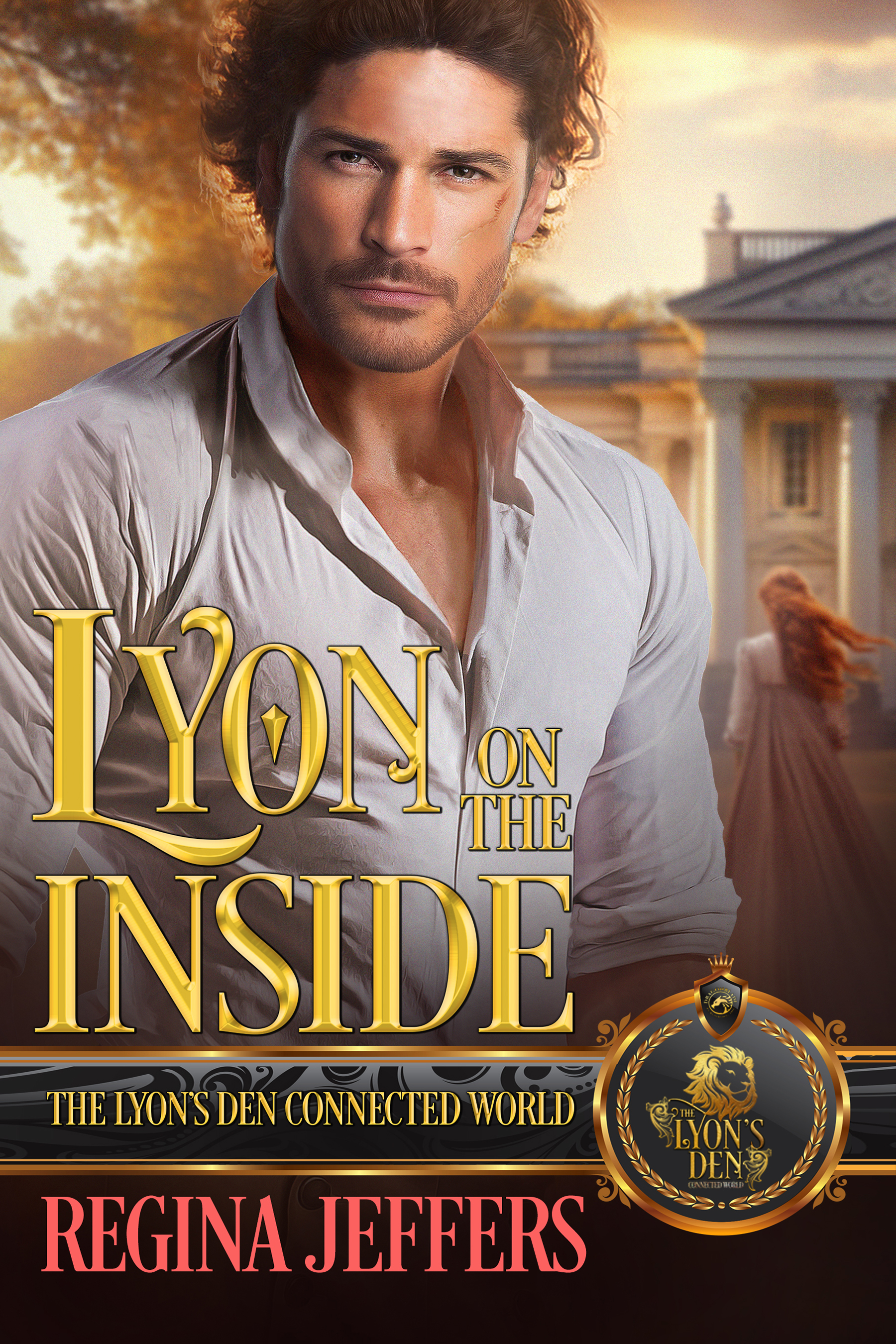
I have sung this song since I was quite small in the homes of my Appalachian relations, and I have used it previously in another book, a vampiric Jane Austen tale, which the original publisher will rerelease for for the 20 year anniversary in September. If you read the tale previously and want to revisit it, Ulysses Press has renamed it Midnight at Pemberley.
According to Traditional Ballads of Virginia, there are more than 37 variants of three different ballads with intertwined plots telling this story (Lord Thomas and Fair Ellender, Fair Ellender, The Brown Girl). They read like plot outlines for a soap opera. The story begins with riddles, as Fair Eilender asks whether she should marry for beauty or for economic security. Further developments involving jealousy and family ties resemble Elizabethan drama. Some versions end with the rose-and-briar theme found in Barbara Allen, but Texas Gladden’s gory tale has the brown girl sticking Fair Ellen with her penknife, Lord Thomas beheading the brown girl and kicking her head against the wall and then taking his own life. “Here is the last of three true lovers.”
Gladden’s melody for Lord Thomas is simpler and more regular than many of her songs. There is less of the ornamentation, flatted notes, and odd phrasing that she often uses. A possible interpretation is that in the past this melody might have accompanied a dance as well; the etymological linkage between the words ballad and ballet (both derived from the Latin ballare) gives support to this interpretation. Many mountain singers refer to the words of their songs as ‘ballets’ and keep them in handwritten books.
Although most of the songs on this record date from the late 18th and early 19th centuries, at least two are of considerable antiquity. Lord Thomas (Child 73) was first printed in England c. 1663—though foreshadowing it, as a French lyric song, De la vile issoit pensant is known to date from at least the 12th century. The central theme of the ballad is that of Eleanor’s appearance at the wedding in rich clothes—a factor that distinguishes it from the similar ballad Fair Margaret and Sweet William (Child 74).
Raymond’s Folk Page tells us, “A ballad is basically a song that tells a story, with the emphasis on action and dialogue and little time spent on characterization beyond choosing from a set of stock phrases. [Francis James] Child published the five-volume collection of The English and Scottish Popular Ballads, at the end of the nineteenth century. He included every traditional English or Scottish ballad he could find, and identified 305 groups of songs, some with more than a hundred different versions. The standard metric form of a ballad is four lines of four stresses each, or four lines with 4 – 3 – 4 – 3 stresses. Lines are often repeated, apparently with the sole purpose of filling out the four line stanza. Another common device is to use a chorus in the second and fourth line to change a couplet into a four-line stanza. It is probably this four-line structure that ensures the action is cut down to the bare essentials as there is little room for any description or character development.”
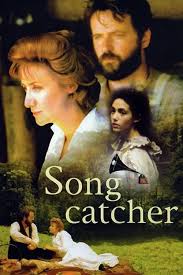
There is a movie I am going to recommend for those of you who are interested in the folk songs of Appalachia. It is called “The Songcather.” [There is also a book by Sharon McCrumb that touches on saving a folk ballad, but do not think they are the same tale.] The film is about a woman on a path to self discovery. It is 1907, musicologist Doctor Lily Penleric (Janet McTeer) has just been denied a promotion in the male-dominated world of her university. Frustrated, but determined, to get academic recognition, she heads to Appalachia with a recording device and writing materials to capture unknown traditional ballads. [Please note there is a situation involving homosexuality between two women [one of whom is Emmy Rossum’s character]. If such relationships turn you away from certain films, when I used the film in my classroom after we had read the McCrumb book, I would end the movie there and take it up the next day past that scene. If you are at home, you might fast forward. The rest of the film is filled with traditional music and should not be missed.