The hero of Lyon on the Inside has a leg that has been twisted out of place and a scar on his face. For those of you new to the series, Lord Aaran Graham’s mother dropped him when he was just a toddler. She was trying to escape Scotland for American, and he was squirming in her arms for she was handing him off to a young couple who had “bought” him to assist on their tenant farm. She rushes away and leaves him crying for her return. Her actions cause him more pain than does the injuries. Aaran has learned to live with a slight limp and ignore the scar on his cheek and lip, but he cannot forget his mother’s betrayal. Her actions defines him.
The injuries, though, provide him a way to serve Lord Macdonald Duncan, the man who saved him. Aaran is unassuming enough to be the one who is “arrested” and placed in the various prisons to learn more about what the Luddites plan, something of those forging fake bank notes, etc. He spends a week or two in the prisons, charged with the crime of pickpocketing, etc., and long enough for others to see him in the prisons or the poor house regularly and to trust him with their secrets. What were the prisons like for him and the others?
Regency era (1811–1820) prisons in England were often filthy, overcrowded, and unregulated, serving primarily as holding centers for those awaiting trial, punishment (hanging/transportation), or debtors rather than rehabilitation. Conditions were desperate, with diseases like “jail fever” (typhus) common, while inmates had to pay “garnish” fees for food, bedding, and to avoid being chained.
Key Characteristics and Types of Prisons
- Conditions: Cells were dark, damp, and vermin-infested, with minimal ventilation or sanitation. Prisoners often slept on straw on stone floors, frequently packed together regardless of gender or crime.
- Debtors’ Prisons: Institutions like the Fleet, Marshalsea, and King’s Bench held those who could not pay debts, often allowing families to live with them if they could afford to pay the warden for rooms.
- Prison Hulks: Overcrowded, decommissioned warships (hulks) were used as floating prisons, particularly for those awaiting transportation to Australia.
- Emerging Reforms: Following earlier efforts by John Howard, reformers began pushing for cleaner, more secure, and organized facilities, culminating in the first major, 7 national penitentiary at Millbank (opened 1816).
- Management: Many jails were managed for private profit by wardens who extorted fees for necessities.
- Punishment: Hard labor was common, such as “coir” picking (teasing apart tarred rope) or using the treadmill, even before modern prison sentences became standard.
Notable London Prisons
- Newgate Prison: The primary, infamous city jail, known for extreme overcrowding.
- Fleet Prison & Marshalsea: The most well-known debtors’ prisons.
- Coldbath Fields: A “House of Correction” for petty criminals.
While the era is often remembered for elegance, the prison system was archaic, with reform only just beginning to take hold towards the end of the period, paving the way for the Victorian prison model.
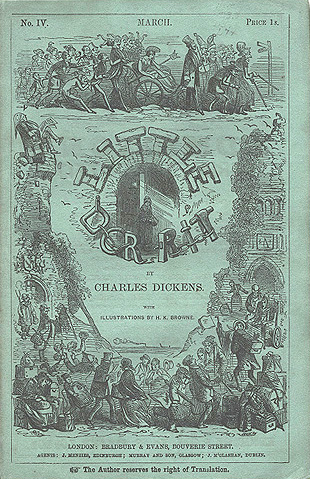
If you have ever seen the miniseries of Charles Dickens’s Little Dorrit, you have an image of the conditions in the debtors’ prison. Though written in serial form in the mid 1850s, not the Regency, the book and series give a person a view into the horrible conditions found in London. Moreover, it stars the ever-fabulous Matthew Macfadyen, and those of you who follow this blog with any regularity know how much I adore the actor. The story features Amy Dorrit, youngest child of her family, born and raised in the Marshalsea prison for debt in London. Arthur Clennam encounters her after returning home from a 20-year absence, ready to begin his life anew.
The novel satirises some shortcomings of British society and government at the time, including the institution of debtors’ prisons, where debtors were imprisoned, unable to work and yet incarcerated until they had repaid their debts. The prison in this case is the Marshalsea, where Dickens’s own father had been imprisoned. Dickens is also critical of the inert bureaucracy of the British government, in this novel in the form of the fictional “Circumlocution Office”. In addition, Dickens satirises the stratification of society that results from the British class system.