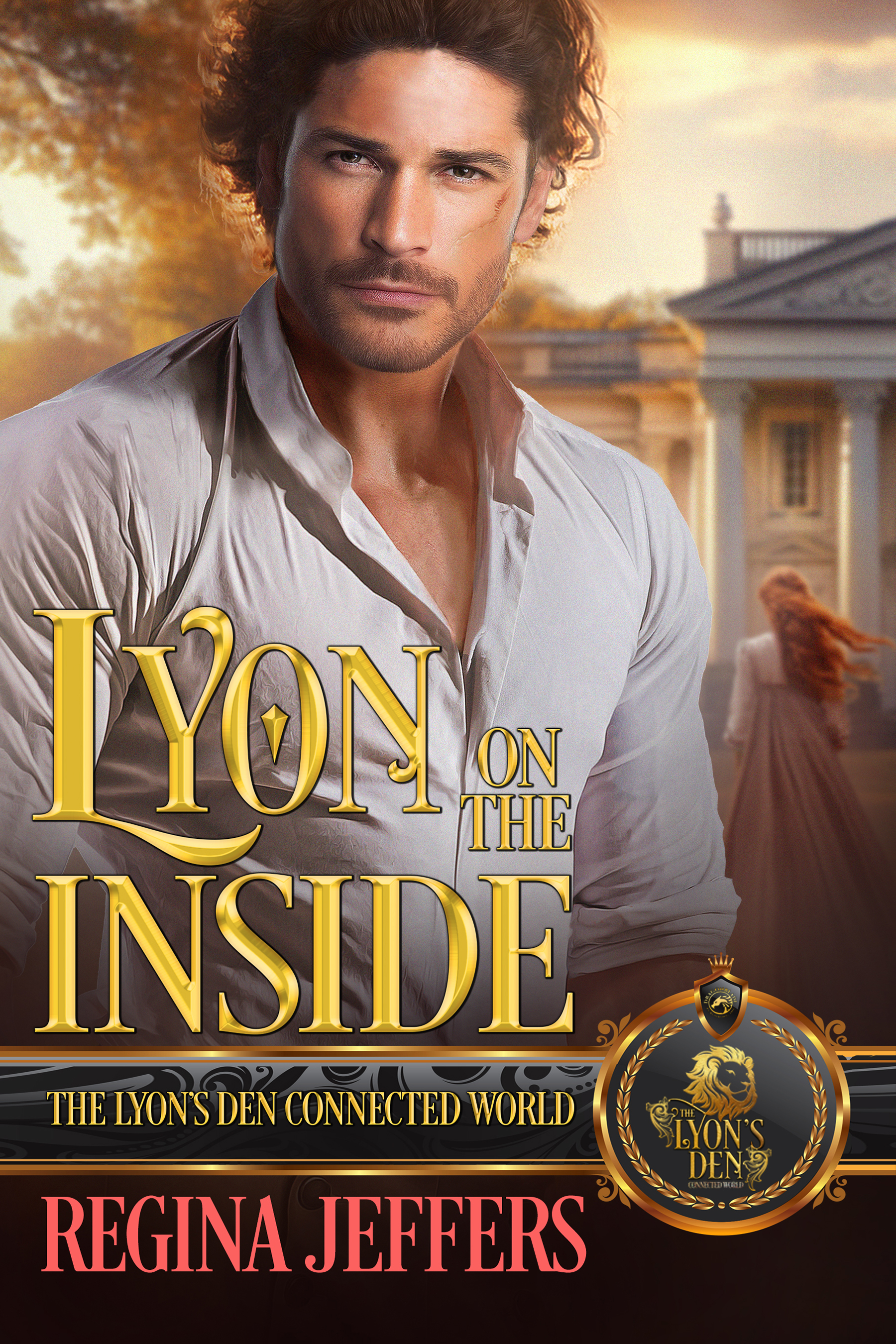
Many of the authors of books in either the Lyon’s Den books or the Lyon’s Den Connected World books mention the somewhat shocking, especially to young ladies, artwork on the walls of the Lyon’s Den. More than one of us have mentioned “Leda and the Swan,” originally by a painter in Leonardo da Vinci’s circle. If you are a fan of Aidan Turner, as am I, you will recall the number of “clinger ons” who followed Da Vinci about. [See “Leonardo” a 2021 series – Aidan Turner portrays Leonardo da Vinci in the historical drama series titled Leonardo, which explores the life, genius, and personal struggles of the Renaissance master, weaving in fictional elements like a murder mystery to frame the narrative. The show, produced by Lux Vide and Sony Pictures Television, follows his artistic journey, from his apprenticeship to creating masterpieces like The Last Supper, while dealing with perfectionism and intense observation.]
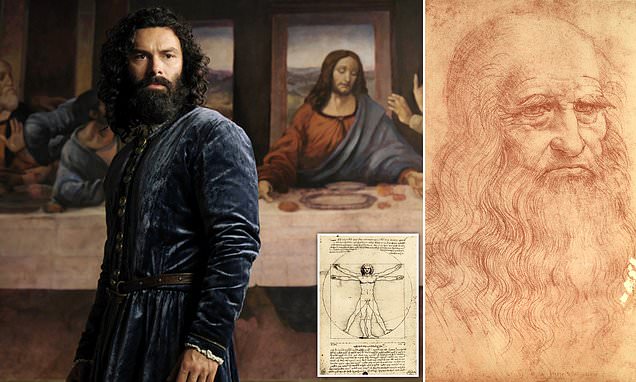
I do not know the inspiration for the others to choose “Leda and the Swan” by name, but I used it because it would likely be shocking to a young lady seeking out Mrs. Dove-Lyon to find her a suitor and because I knew the original had been destroyed LONG before the Regency era and that there was a number of “replicas” available.
In fact, “Leda and the Swan” refers to a painting depicting the Greek myth where Zeus, disguised as a swan, seduces Leda, leading to the birth of Helen of Troy; famous versions exist by Leonardo da Vinci (lost original, known through copies like Uffizi & Wilton House), Correggio, Cézanne, and Cy Twombly, and exploring themes of desire, transformation, and violence, with significant interpretations across Renaissance, Baroque, and Modern art.
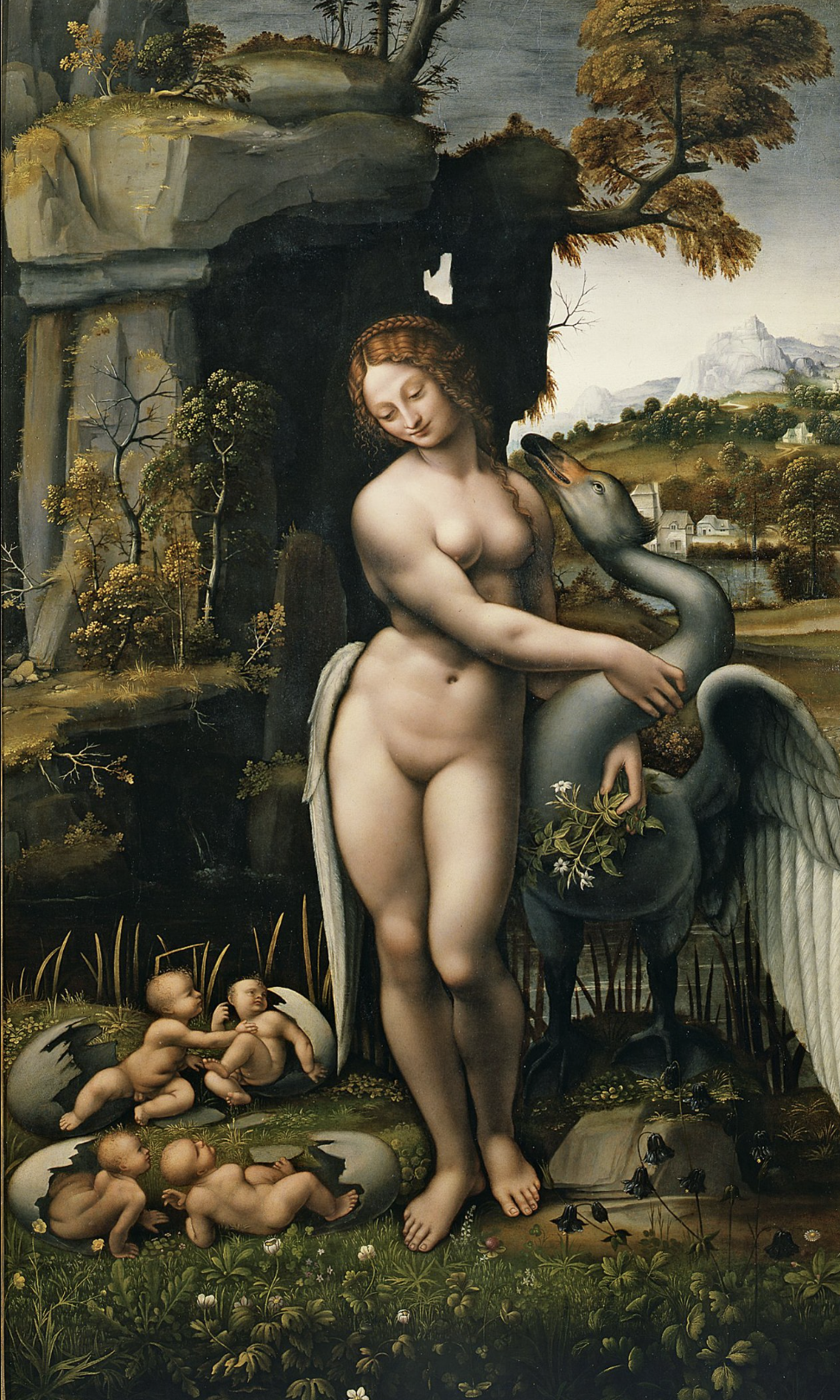
“Leda and the Swan is a c.1505-1507 oil and resin on panel painting by a painter in the circle of Leonardo da Vinci. It may have originated in the Gualtieri Collection in L’Aquila and passed through various others before being acquired from the Spiridon Collection in 1989 by its present owner, the Uffizi. [Gloria Fossi, Uffizi, Giunti, Firenze 2004.]
“It and the versions in the Galleria Borghese and Wilton House are considered the three closest copies after Leonardo’s own lost work on the same subject. Bernard Berenson even argued the Uffizi work was an autograph work by Leonardo himself, but this is rejected by modern art historians in favour of one of Leonardo’s students, possibly Francesco Melzi [Hoogewerff, 1952] with some assistance on the landscape background from Joos van Cleve. It is usually dated to the end of Melzi’s stay in Milan before leaving for France with Leonardo. Other suggestions include Cesare da Sesto or Fernando Yáñez de la Almedina – the latter assisted Leonardo in 1505 on The Battle of Anghiari.”