One of the antagonists, in this final book of the series, mentions leaving our hero’s and heroine’s bodies in the Thames Estuary and permitting them to wash out into the North Sea, but was that really a possibility? I know the answer, but it part of the mystery of the story. However, here is some actual information so you will also know the truth.
Historic England tells us, “The Greater Thames Estuary is the narrow strip of soft coastline between the Swale Estuary on the Kent coast and the River Stour on the Essex-Suffolk border. This is a low-lying coastal landscape extending along the Thames into inner London. It is a landscape of shallow creeks, drowned estuaries, mudflats and broad tracts of tidal salt-marsh with sand and shingle beaches along the coastal edge. Just over half the land area nowadays (56%) is agricultural and 21% is urban, including the riverside part of east London.
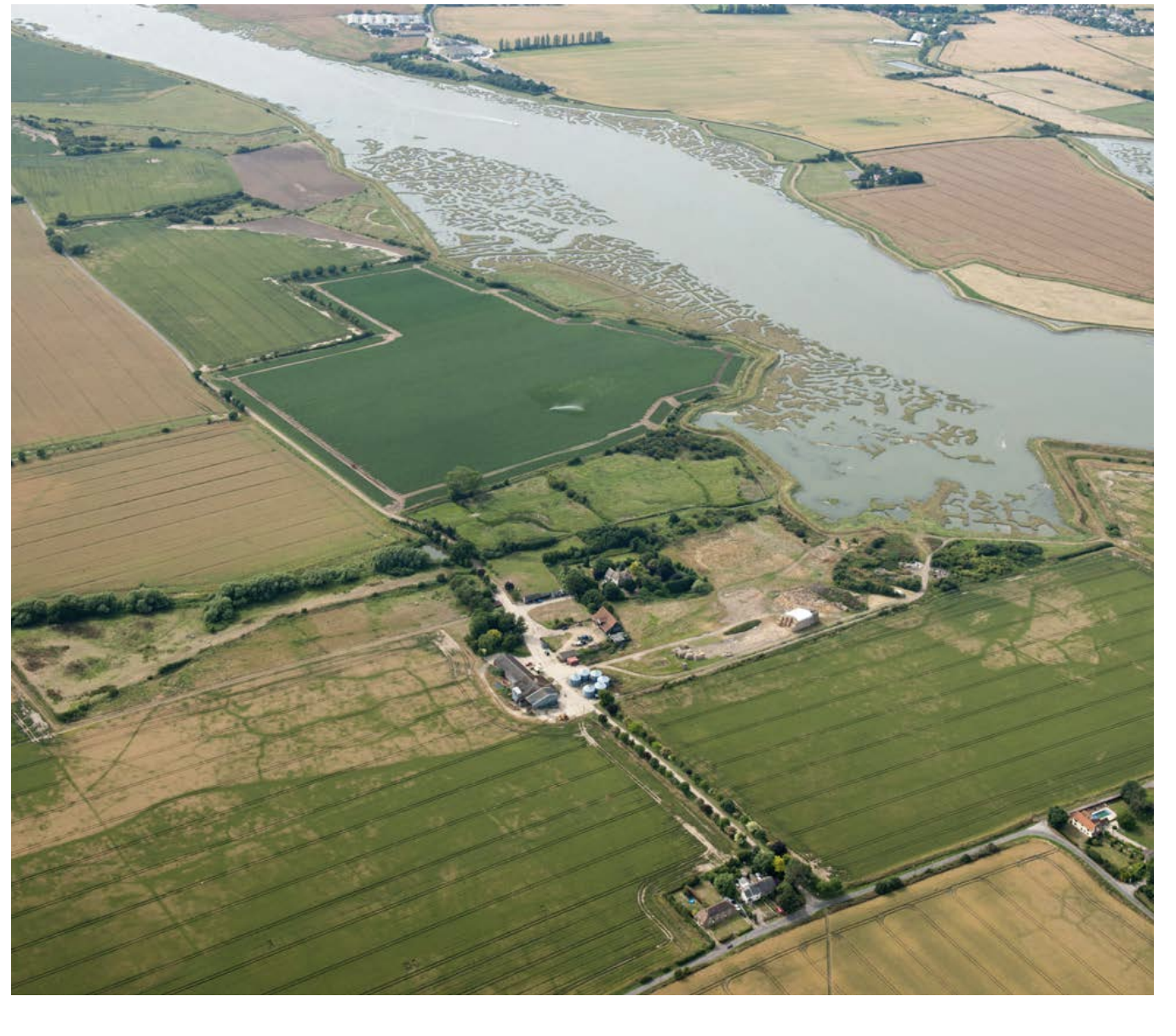
“Historic character
■ Estates based further inland used the coastal marshes for grazing sheep and cattle, the reclamation of marshland for farmland having a long history documented as far back as the 8th century.
■ This area has a low density of farmsteads scattered across the landscape, relating to drainage and enclosure by ditches and hedgerows dating from the medieval period and earlier and set within a landscape that was sparsely settled until the development of coastal towns and industries from the late
19th century.
■ Large high-status farmsteads, some of them (especially between Southend and the river Crouch in Essex) moated, are intermixed with relatively high densities of much smaller farmsteads which have been subject to much more change.
■ There are many remains of sheep folds and routeways for moving stock in the marshes.
“Significance
■ Farmsteads Mapping in Kent has shown that survival of pre-1700 farm buildings is relatively. low; 21% of recorded farmsteads in the Kent part of this area retain a pre-1700 farmhouse and 4% retain a pre-1700 working building.
The latter are all concentrated in the area east of Gillingham whilst 3% retain both a pre-1700
farmhouse and working building. These sites have potential to be of high significance.
■ Farmstead groups that retain some or all of their traditional buildings are very rare in a national context – only 53% of recorded farmsteads in Kent retain some traditional farmstead character. Of recorded farmsteads, 27% retain more than 50% of their historic form, well below the average of 52% for all the mapped areas in the south-east.
■ There are some rare survivals of early multiyard layouts fringing the coastal marshes, with shelter sheds and other buildings relating to the feeding of cattle and growing of corn on higher land.
■ Buildings of the 18th century and earlier mostly comprise large aisled or unaisled barns, with some rare surviving examples of small three-bay barns associated with the smaller farms that developed along the fringes of the marshland.”


