“The Maid of Llanwellyn” is a Welsh song of love in which the girl admits she has no care for whether her lover is rich or not. From Contemplator [You may listen to the music on this site.] we learn, “This [song] was published by George Thomson of Edinburgh (1757-1851). Thomson paid F. J. Haydn in Vienna 2 ducats each for 200 tunes. He also paid Beethoven for tunes, but he quit, disgusted with the pay.
“The lyrics are by Joanna Baillie [1762-1851]. In the tune she speaks of lakes in Wales. When Thomson remarked that Wales had no lakes, Miss Baillie replied that she would not alter the line and they would have to ‘hope their readers were just as ignorant as she had been when she wrote it.'”
George Thomson by Henry Raeburn ~ via Wikipedia ~ Public Domain
What do we know of George Thomson? First, Thomson was the original director of the famed Edinburgh Music Festival. He was also an avid collector to Britain’s national folk songs. Thomson came to Edinburgh at the age of 16, where he became a junior clerk to the Board of Trustees for the Encouragement of Arts and Manufactures in Scotland. When his boss passed, Thomson assumed the position. He was in his early 20s at the time and held the job for 59 years.
Because of his love of music, and especially of the violin, Thomson chose to publish a collection of Scottish tunes accompanied by the traditional lyrics. However, in his research, Thomson found most of the published songs were flawed and not the original tunes. To suit them for concert use and to appeal to persons ‘of taste’, he decided to furnish the old tunes with new instrumental accompaniments.
Believing that no one in Edinburgh or London had sufficient talent to write the music, Thomson applied to several foreign composers. In 1799 he sent some Scottish melodies to Franz Joseph Haydn in Vienna, offering the eminent composer two ducats for each air. In June of 1800, Haydn forwarded to Edinburgh more than 30 airs he had arranged. Altogether Haydn worked on some 200 airs, including ‘The Blue Bells of Scotland.’
“Haydn, however, was up in years, so Thomson applied to Ludwig van Beethoven, a much younger man. In 1810 Beethoven sent to Edinburgh a number of Scottish airs he had composed ‘con amore’ by way of doing homage to the national songs of Scotland and England. But Thomson and the composer constantly argued over money. In Beethoven’s last letter, dated 25th May, 1819, he exploded over the pay he had received for his work.
“Thomson felt that a number of charming old songs suffered from lyrics that were ‘mere nonsense and doggerel’ while others had rhymes ‘too loose and indelicate’ to be sung in decent company. In 1792 Thomson applied to Robert Burns, the greatest of Scottish poets, to provide new words for 25 melodies that he, Thomson, would select. Burns agreed, provided his muse not be hurried. He also asked to include at least a sprinkling of Scottish dialect, but Thomson insisted that he avoid the vernacular as much as possible, since English was becoming increasingly the language of Scotland and young people were being taught to consider the Scots dialect vulgar. Burns contributed about 100 songs, both original and revised, before his death in 1796. These included ‘Scots, Wha Hae,’ ‘John Anderson, My Jo,’ and ‘Highland Mary’.
“In addition to Burns, who suggested expanding the collection to include Welsh and Irish airs, Thomson sought the help of various English writers. He wished to provide a number of Gaelic airs with alternative English lyrics that Southrons would understand. He rounded up a number of both Scottish and English writers to assist him, including Byron, Thomas Campbell, Walter Scott, James Hogg, John Gibson Lockhart, Joanna Bailllie, and Mrs. Anne Grant of Laggan.
If the songs failed in their intentions, the writers were not always to blame. Thomson delighted in presenting local colour, and if he could introduce Snowdon or Llangollen into a song, it might at once pass for Welsh.”
“Thomson edited three separate editions of national songs–Scottish, Welsh, and Irish. The Scottish songs were published in six volumes under the general title of A Select Collection of Original Scottish Airs for the Voice, with Introductory and Concluding Symphonies for the Pianoforte, Violin, and Violincello.
Thomson died in 1851, leaving two sons and six daughters. One daughter, Georgina, married George Hogarth, the Edinburgh music critic, historian, and Writer to the Signet. In 1836 the Hogarths’ daughter Catherine married Charles Dickens. So Dickens’ ten offspring were the great-grandchildren of George Thomson, the ‘clean-brushed’ old gentleman whose collections of traditional national songs are still sung around the world.”
JW Pepper tells us, “In this folksong-style original, the guys are smitten when The Maid of Llanwellyn smiles on them! The robust choral parts are just right for young male voices, and a few optional three-part chords add to the bravado.” (British Heritage Travel)
I’ve no sheep on the mountains, nor boat on the lake, Nor coin in my coffer to keep me awake. Nor corn in my garner, nor fruit on my tree, Yet the maid of Llanwellyn smiles sweetly on me.
Rich Owen will tell you, with eyes full of scorn, Threadbare is my coat, and my hosen are torn. Scoff on, my rich Owen, for faint is thy glee When the maid of Llanwellyn smiles sweetly on me.
The farmer rides proudly to market and fair, And the clerk at the ale house still claims the great chair. But of all our proud fellows, the proudest I’ll be While the maid of Llanwellyn smiles sweetly on me.
Peter, Paul and Mary have a song that sounds very similar. It is called “Pretty Mary.” You can hear it HERE.
“In Jane Austin’s Northanger Abbey, Mr. Thorpe enthuses over his new carriage, boasting, “Curricle-hung, you see; seat, trunk, sword-case, splashing-board, lamps, silver moulding, all you see complete; the iron work as good as new or better” — and all for fifty guineas.
“Pray, pray, stop, Mr Thorpe!” ~ C E Brock illustration for Jane Austen’s Northanger Abbey
“Chandros Leigh, a distant cousin of Jane Austen, obtained an estimate for a fashionable laundau in 1829. The price of the basic carriage was 250 pounds, which included: ‘plate glass and mahogany shutters to the lights, and plated or brass bead to the leather, lined with best second cloth, cloth squabs, and worsted lace….’ The ‘extras’ ordered including footman’s cushions, morocco sleeping cushions, steps, silk spring curtains, his crest on the door, embossed door handles and full plated lamps. These brought the cost to 417 pounds, 11 shillings and 6 pence, but he was given 60 pounds in exchange for his old carriage.” [The Regency Horse World]
What was the difference between a Town carriage and one in the country? They were different in build and purpose. Getting about in Town might included a gig, a phaeton, a curricle or a Town coach. Traveling might involve a Landau or a Barouche.
Carriages for country and for town were generally quite different in build, for they served different purposes. And since carriages were custom built, almost every carriage could be a unique design. Common types of carriages, however, included:
The Phaeton – a four-wheeled, owner-driven vehicle fitted with forward facing seats, usually an open carriage.
The Gig – A gig was a small, lightweight, two-wheeled, cart that seated one or two people. It was usually pulled by a single horse and was known for speed and convenience. It was a common vehicle on the road (definition and photo credit courtesy of Horse and Buggy]
The Curricle – the “gig” of the quality, built to hold two, which could be two or four-wheels, and which sometimes had a top that could fold down
A Town Coach – a closed coach that could be drawn by one horse or a pair.
Landau – a four-wheeled vehicle that held four, which was drawn by a pair and built with a removable or folding top.
Barouche – a four-wheeled vehicle drawn by a pair, or by four or even six horses, with an option for a driver, or for post boys to ride and control the horses. Sometimes built with a fold-down top.
NOTE: Visit Horse and Buggy for more example and images of these carriages.
From what I can tell, few carriages were driven with a team of four horses in the city.
In researching the management of teams of horses, I came across an interesting real-life tidbit of information which may be of interest. If the coach in question is drawn by a team of four horses, meaning out on the open roads of England, rather than a pair, a knowledgeable and experienced horseman would go to the heads of the wheelers, which is the pair closest to the carriage, rather than to the leaders, who are in front.
Though this may sound against reason, it absolutely makes a lot of sense. If the leaders are spooked and bolt, the wheelers will probably follow them, resulting in four horses running wild because they will be too much even for several men to control. But, if the wheelers are kept calm and stand their ground, the leaders are pretty much held in place, since in many cases, the wheel horses were larger and stronger. In addition, if the wheelers stay calm, and horses being “herd” animals, the leaders will typically calm down fairly quickly.
Now, what if there is a wreck. Is it possible to free the team of horses from the carriage but have them still wearing some sort of harness, or is it all attached to the carriage in some way so the only way to free the team is to remove it all?
As to detaching it, it depends. If one is speaking of job horses on a hired carriage, and something simple like a broken wheel or axle, yes, they could be detached and attached to a similar type of carriage. A harness is specific to the carriage and there are different types of harnesses, depending on the carriage.
If you’re talking a private carriage, keep in mind this is the age of custom, and one is not likely to find a carriage that will match the team unless it is a common type of carriage, and one must have a match (ie, a gig to a gig, a phaeton to another phaeton, etc.). Again, harness is specific to the type of carriage. For example, do you have shafts or a single middle pole?. If one is talking overturned or wrecked carriage, that is such a mess the horses must be cut away, you’ll have bridle, bit and reins intact and not much more. If one is talking the Royal Mail, the guard was instructed to cut away one of the horses and ride on with the mail pouch, leaving coach and passengers behind, so those horses were trained to drive and ride.
What happens with a wreck or a broken part depends on the coach, and is it open or closed? Is it older or newer? Newer coaches tended for a lighter body and design. Also, typically, a broken axel is not going to leave the coach on its side–the broken axel will leave it tilted.
Source!!! One can find multiple images of broken axels and carriages at HERE.
Now, in describing a wrecked carriage, if one adds in a ditch or great speed, such might put the carriage onto its side. Yet, remember, we are not likely to discover a Town coach out where there might be ditches or traveling so fast? If one is talking a traveling chase, that is a different matter.
For a closed carriage, if it gets on its side, folks are going to have to climb out the door–and it’s unlikely that 2-3 guys can right it, unless they’re really strong or have the help of some mules. But one can note that in the drawing, folks are falling out the door and such is going to end badly for them, for the carriage is going to crush bones.
For an open carriage, if it ends up on its side, folks are going to be thrown out of it, and there are no seat belts to secure them in place. Moreover, there would be a high center of gravity involved. It would be very unlikely, those involved will be able to harness the team to pull the carriage upright if it’s overturned, for the horses are going to be regarding it like a monster and may well be injured and certainly are going to be badly spooked. A much better option would be a local farmer with plough horses or mules. Now, all that said, there have been stories of moms picking up cars after an accident–panic and adrenalin can allow a person to do amazing things! Such heroic feats are rare, but possible, so write that carriage crash scene with a little realism and a large dose of “poppycock,” as George Darling in Peter Pan would say.
Let’s start with something related to Jane Austen. You’ve Got Mail is a modern day Pride and Prejudice, or so we are led to believe. “I wanted it to be you, I wanted it to be you so badly.”
This one always makes me cry—from The Notebook. “So it’s not gonna be easy. It’s gonna be really hard. We’re gonna have to work at this every day, but I want to do that because I want you. I want all of you, forever, you and me, every day.”
“To me, you are perfect,” from Love Actually is one of my favorite scenes in the movie. Is Mark’s profession of love to Juliet, his best friend’s wife, sweet or problematic? As a viewer, you do not wish see Kiera Knightley’s character break up her marriage; yet, . . .
Another heartbreaker of a tale is Casablanca. Do you recall: “Kiss me. Kiss me as if it were the last time.”
This one from The Princess Bride is romantic in an odd sort of way: “Death cannot stop true love. All it can do is delay it for a while.”
I always repeat these lines when I rewatch When Harry Met Sally. “I came here tonight because when you realize you want to spend the rest of your life with somebody, you want the rest of your life to start as soon as possible.”
This movie is so sad. Yet, as I have a signed poster from Keira Knightley and James Mcavoy in Atonement hanging on my wall, I had to include this one. “I will return. I will find you. Love you. Marry you. And live without shame.”
All Austen fans can likely recognize this scene from Bridget Jones’s Diary. “No, I like you very much. Just as you are.”
I have not watched Shakespeare in Love in a VERY long time, but, perhaps, I should revisit it. “You will never age for me, nor fade, nor die.”
As I have gotten older, these words from On Golden Pond between Katherine Hepburn and Henry Fonda have taken on a more poignant response. “Listen to me, mister. You’re my knight in shining armor. Don’t you forget it.”
This quote from Forrest Gump speak of an undying love—a love that lasts beyond the grave. “I don’t know if we each have a destiny, or if we’re all just floating around accidental—like on a breeze—but I think maybe it’s both. Maybe both is happening at the same time. I miss you, Jenny. If there’s anything you need, I won’t be far away.”
This quote from The Wedding Date is a keeper. “I think I’d miss you even if we’d never met.”
Taming of the Shrew is one of my favorite Shakespeare’s plays, so, naturally, I would adore a young Julia Stiles and Heath Ledger in the modern day roles of Catarina and Petruchio. I absolutely stop all I am doing to watch Heath singing “You’re Just to Good to Be True” with the marching band on the football field. Cracks me up every time. This is the poem Julia’s character Kat right before the end of 10 Things I Hate About You.
“I hate the way you talk to me and the way you cut your hair. I hate the way you drive my car. I hate the way you stare. I hate your big dumb combat boots and the way you read my mind. I hate you so much it makes me sic; it even makes me rhyme.
I hate it, I hate the way you’re always right. I hate it when you lie. I hate it when you make me laugh, even worse when you make me cry. I hate it when you’re not around, and the fact that you didn’t call.
But mostly I hate the way I don’t hate you. Not even close, not even a little bit, not even at all.”
From Sleepless in Seattle, we come across Tom Hanks’s description of falling in love with his first wife. The words make Meg Ryan’s character sigh, for she wants the same type of love. The description makes most women sigh. “It was a million tiny little things that, when you added them all up, they meant we were supposed to be together … and I knew it. I knew it the very first time I touched her. It was like coming home. .. only to no home I’d ever known … I was just taking her hand to help her out of a car and I knew. It was like … magic.”
Moulin Rouge had its quirky moments, but the love story holds true. “The greatest thing you’ll ever learn is just to love, and be loved in return.”
Okay, I will admit it. I am a sucker for anything in which Robert Redford appears. Since his Butch Cassidy and the Sundance Kid, I have watched nearly everything in which he has a appeared. Although Up Close and Personal does not have the ending I would like, it has some great lines, such as:
Tally Atwater: Do you want to be with me?
Warren Justice: So much it hurts.
(and)
Tally: When I asked you how long you could stay and you said, ‘Long enough,’ how long is that? When we’re not together…
Warren: … Everything shuts down.
(and)
Warren Justice: Every day we have is one more than we deserve.
Any list of romance quotes must have something from Julia Roberts. I love Notting Hill. I have seen it often enough to repeat the lives along with the actors. “I’m also just a girl, standing in front of a boy, asking him to love her.”
Again, the movie does not need to start out as a romance to have romantic elements. Gone With the Wind has more tales than the romance between Rhett and Scarlet, most of them very serious issues, but I adore this line: “You should be kissed and often, and by someone who knows how.”
Again, this quote comes from an nontraditional love story, City of Angels. “I would rather have had one breath of her hair, one kiss of her mouth, one touch of her hand, than eternity without it. One.”
As I create this list, I am beginning to think I adore tearjerker movies. The last scenes of the blockbuster Titanic gave us this line: “Winning that ticket, Rose, was the best thing that ever happened to me… it brought me to you.”
In Serendipity, it seems the whole universe is keeping Sara and Jonathan apart, but this quote says otherwise: “It’s like in that moment the whole universe existed just to bring us together.”
I must include something with a Southern twang. This quote from the end of Sweet Home Alabama will fill the slot perfectly. “You’re the first boy I ever kissed, Jake, and I want you to be the last.”
As is only fitting, I must end my list with a couple of Austen favorites. This first comes from Sense and Sensibility, part of Edward’s proposal to Eleanor. “I’ve come here with no expectations, only to profess, now that I am at liberty to do so, that my heart is, and always will be, yours.”
And although the quote below is not found in Jane Austen’s Pride and Prejudice, it signifies how Mr. Darcy has come to love Elizabeth Bennet: You must know… surely, you must know it was all for you. You are too generous to trifle with me. I believe you spoke with my aunt last night, and it has taught me to hope as I’d scarcely allowed myself before. If your feelings are still what they were last April, tell me so at once. My affections and wishes have not changed, but one word from you will silence me forever. If, however, your feelings have changed, I will have to tell you: you have bewitched me, body and soul, and I love–I love–I love you. I never wish to be parted from you from this day on.
All right, dear readers. Hit me with some of your favorites. I would love to know which romance plots struck a chord with you. Which romances do you mean to watch for Valentine’s Day?
I received another question recently from a follower of this blog regarding the use of color in the Regency era. The question dealt with the idea of young women in the Regency making their society debuts in white gowns and then questioning how much “color” might be found in a Regency ballroom if such was true. She had just read a passage about the swirl of colors as the couples waltzed. Naturally, the young ladies making their come outs would not be waltzing until they received permission to do so by the patronesses of Almack’s Assembly Rooms or some other such plot twist. [For more on Almack’s check out Rachel Knowles’s piece HERE.]
In reality, the Regency era employed a variety of colors with (excuse the pun) very “colorful” names. Some of these colors were only around a social season or two. At this point, I might recommend Emily Hendrickson’s The Regency Reference Book, but as it is out of publication, I am not certain it is still available any where. However, she does offer a CD-ROM for $18.00 on her website. According to Ms Hendrickson, some colors were dictated by events of the day (i.e., battles won, which allies assisted in the cause, etc.)
A lovely source which is still available is Sarah Waldock’s post on her blog, Renaissance and Regency Ruminations. She provides a list of colors used across the Regency and the longer Georgian era, accompanied by swatches.
This color list was primarily prepared by Sarah, who also dyes fabrics using old techniques and formulas, augmented by information provided to her by Charles Bazalgette, who recently published a biography of his ancestor, Louis Bazalgette, entitled Prinny’s Taylor. It is important to keep in mind most of the colors on this list came primarily from colors used for garments and accessories, rather than interior decor. Which is not to say such colors were not used for interior design purposes, just that the sources of these color names are based upon garment colors.
The earliest reference I’ve found to navy blue is 1814. (from the OED). Navy blue might have been already in use at the time because the reference refers to a vat of dye.
Forest Green dates to 1810. Forest Green was used by Sir Walter Scott in reference to a color called “Lincoln green.”
Some of the names of colors used in house paint were very odd.
Farrow and Ball (founded in 1946) used to have a sample cards for historic colors with names such as “dead salmon” and “mouseback”. If one is interested and requires inspiration for the correct color , they have archived paint colours HERE.
A person may also discover color names in the descriptions of fashion prints in the magazines. Some color terms, such as “mauve” date from after the Regency. Colors and fashion details were also named after events. A fashion color was “stone.” I never could quite decide if it were Bath stone, field stone, or flagstone. Fruits and flowers were also often used. Navy blue, obviously, was the color of the British naval uniform. “Navy bean” attested from 1856, so called because they were grown to be used by the Navy. However, I do not know when the term became a color rather than a noun. Those are the type of things which can have an author pulling out his or her hair in frustration.
There were common Regency/Georgian terms for various hues within each color.
Greens for instance were:
Bottle green
Bronze Green
Corbeau coloured
Emerald green
Olive (green)
Parrot green
Pomona green
Rifle green
Saxon green
Spring (green)
Another excellent source is C. Willett Cunnington’s English Women’s Clothing in the Nineteenth Century. There is a Glossary of Obsolete Colour Names on pages 439-440. The table provides the obsolete name and a date (the approximate year the term was first year) opposite a second column which provides the corresponding modern name in the Dictionary of Colours, issued by the British Colour Council.
Here are a few of my favorites.
Aurora (1809) – Chilli 98
Morone (1811) – Peony Red 37
Naccarat (1800) – Tangerine 55
Pomona (1811) – Sea Green 102
Spring Green (1810) – Cossack Green 105
Navarino Smoke (1828) – a shade lighter than London smoke
Pensee (1829) – a dark purple
Adelaide (1831) – Steel Blue 44
Clarence (1811) – Saxe 45.
Maria Louise (1812) – Calamine 167
Devonshire Brown (1812) – Mastic 167
Egyptian Brown (1809) – Mace 73
In the Regency period, there certainly are more colors for white/cream/shades thereof than for red/pink/orange.
It is a doorstopper of a book, but has hair styles, hats, prices on yardage, undergarments, pix and more! If you require assistance in knowing what was worn in a particular time period, this book is an excellent source.
Recently, I had an author friend seeking information on cavalry trumpets calls, for she was writing a battle scene. The hero of her tale is in the mounted infantry, and he is on the American front during the War of 1812.. She wanted to know whether the troops would have some sort of trumpet signal for when to charge? When to retreat? Etc. Etc.
Truthfully, I cannot recall where I collected this information. Most likely, it came from Bill Haggart, a man I call upon when I need to know some sort of tidbit for writing a battle scene. The man is a walking encyclopedia on such facts.
Here are bits and pieces I shared with my author friend (in no particular order):
If the unit is militia, they might not have a bugler or might not have the training to follow bugle instructions.
The type of signal might be difficult to determine. For example, if there was a mixed unit of cavalry and mounted infantry, they most likely would not respond to the same bugle signals, for the mounted infantry, traditionally, did not carry out mounted charges.
With a hundred and fifty men, it could be a raised hand, the commander’s voice. French General Louis Friant, who fought in both the French Revolutionary Wars and the Napoleonic Wars, stated that 600 men for a battalion in close formation was optimal because that was the size where everyone could hear a command called out by the battalion chief.
It was also normal for every officer to repeat the order down the line once they heard it, just in case. [If you have ever read Arthur Guiterman’s poem “Pershing at the Front,” you will understand what I mean. If you have not, you may find it HERE. My late mother and I were often delighted by this one.]
Most cavalry charges required the unit to ‘shake out into a line’ before the charge, so everyone knew what was coming next so calling out ‘charge’ wasn’t all that problematical. A single line of 150 horsemen would cover about 150 yards across. [1.5 football fields]
More typical would be a double line of cavalry [particularly in wooded areas where there wasn’t 150 yards of open terrain] or about 75 yard front. [3/4 of a football field]
A human voice could carry that far, particularly if all officers repeated the order. Here is a video of 150 cavalrymen [two squadrons] of the French Republican Guard]. You will see them call out several orders in preparation for the charge, before they actually move. Of course, American cavalry in the American Revolution would not have been that disciplined. Even so, but the time the French charge is at a full gallop, the lines are coming apart… seen from above at the end of the video.
Often seen in paintings is the officer pointing with his sword. That was a signal that every trooper down the line could see as it poked out from the line.
One can find ALL the bugle calls customarily used by soldiers HERE. The musical notes are also displayed.
The mounted infantry developed into a “versatile cavalry” during this time period. Those using actual pensioners’ accounts when researching different battle, as well as in the battle summaries written by officers, will soon discover the terms “dragoons” and “cavalry” appear to be used indiscriminately, making it all the more confusing for the researcher.
One might take a look at p. 30 of the Trevor Herbert & Helen Barlow book, Music and the British Military in the Long Nineteenth Century, which reprints the bugle calls (in musical notes) given in Regulations for the Exercise of Rifleman and Light Infantry, 1798. See on Google books (the trumpet/bugle pages are free to look at). The authors cite several sources from the 18th and 19th centuries. They mention that bugle calls were not formalized however, until after my friend’s battle in question?
Amazon Book Blurb:
Although military music was among the most widespread forms of music making during the nineteenth-century, it has been almost totally overlooked by music historians. Music & the British Military in the Long Nineteenth Century however, shows that military bands reached far beyond the official ceremonial duties they are often primarily associated with and had a significant impact on wider spheres of musical and cultural life.
Beginning with a discussion of the place of the military in civilian and social life, authors Trevor Herbert and Helen Barlow plot the story of military music from its sponsorship by military officers to its role as an expression of imperial force, which it took on by the end of the nineteenth century. Herbert and Barlow organize their study around three themes: the use of military status to extend musical patronage by the officer class; the influence of the military on the civilian music establishments; and an incremental movement towards central control of military music making by governments throughout the world. In so doing, they show that military music impacted everything from the configuration of the music profession in the major metropolitan centers, to the development of wind instruments throughout the century, to the emergence of organized amateur music making. A much needed addition to the scholarship on nineteenth century music, Music & the British Military in the Long Nineteenth Century is an essential reference for music, cultural and military historians, the social history of music and nineteenth century studies.
During the 2007-2008 school year, I complained to my Advanced Placement Language class about a particular novel I had been reading for “pleasure,” what we would now call Jane Austen Fan Fiction (JAFF), a genre just building in popularity for readers seeking a Happily Ever After (HEA) to end the tale. The story, although well written, was historically inaccurate in the situations presented. It was not a true reflection of Austen’s period. As the AP Language class was taught to examine the language and the situation to identify the time period of a piece of literature, this novel would be misleading. Many of the students in the class had been in my honors classes previously, or in my elective classes, such as Journalism. They were accustomed to how I challenged them, and so one student said, “If you know how to do this, do it yourself.” Therefore, I took on the role of fiction writer. I had written much in the academic realm, especially on multicultural literature and media literacy, but not novels. I decided to rewrite Jane Austen’s Pride and Prejudice from Mr. Darcy’s point of view.
To make a long story short, I self-published the book at a time when self-publishing was not a popular means to see one’s book in print. All I wanted at the time was to answer the challenge presented me . . . to be a good sport. I permitted one of my students to draw the cover of the book so she might put the experience upon her college application, listing herself as a “published artist.” I purchased copies for those in the class and quickly forgot about it until my son sent me an email informing me the book was #8 on the Amazon sales list. Even then, I considered it a fluke. At length, however, Ulysses Press contacted me asking about traditionally publishing the book. This was the time when several of the traditional publishers were buying up the rights to JAFF pieces. Ulysses had 3 other Austen-inspired writers, while Sourcebooks scooped up a dozen or more.
In February 2009, Darcy’s Passions was published by Ulysses Press, and my publishing career began. I retired from teaching in 2010, after some 40 years, and have supplemented my retirement with the publication of 60 novels to date. Yet, Darcy’s Passions remains a favorite for it started me down this path. Moreover, it remains my best seller, having entered into multiple printings.
When Ulysses Press moved all their operations from fiction to nonfiction, I received my rights to all my stories (9 novels) with them. Therefore, I decided to rerelease Darcy’s Passions with a new cover and a reworking of the story (Gosh, I cannot believe neither the editor or I caught some of those errors found in the first printing!) So, please enjoy from Mr. Darcy’s point of view, the scene where Elizabeth Bennet comes to Netherfield to tend her sister.
__________________________________
Darcy’s Passions: Pride and Prejudice Retold Through His Eyes
FITZWILLIAM DARCY loves three things: his sister Georgiana, his ancestral estate, and Elizabeth Bennet. The first two come easily to him. He is a man who recognizes his place in the world, but the third, Elizabeth Bennet, is a woman Society would censure if he chose her for his wife. Can he risk everything he has ever known to love an impossible woman, a woman who has declared him to be “the last man in the world (she) could ever be prevailed upon to marry”?
Revisit Jane Austen’s beloved novel, Pride and Prejudice, retold from Mr. Darcy’s point of view. Discover his soul-searching transformation from proud and arrogant into the world’s most romantic hero. Experience what is missing from Elizabeth Bennet’s tale. Learn something of the truth of Fitzwilliam Darcy’s pride. Return to your favorite scenes from Austen’s classic: Darcy’s rejection of Miss Elizabeth at the Meryton assembly; the Netherfield Ball; his botched first proposal; his discovering Elizabeth at Pemberley; and Darcy’s desperate plan to save Lydia Bennet from George Wickham’s manipulations, all retold through his eyes. Satisfy your craving for Austen’s timeless love story, while defining the turmoil and vulnerability in a man who possesses everything except the one thing that can make him happy.
**************************
Chapter 3
“…to be really in love without encouragement . . .”
LITTLE DISTRACTED DARCY from his growing obsession with Miss Elizabeth except the opportunity to dine with the officers of the Derbyshire militia. Much to his friend’s dismay, his sisters chose to engage Miss Bennet to Netherfield on the same evening. Bingley had not enjoyed Jane Bennet’s company for several days, and the man’s countenance showed the irony of the situation. “That beautiful angel dines at my own table, while you and I have the duty of dining with the local militia.”
For Darcy’s part, being away from Elizabeth Bennet had solidified his resolve to ignore her and to squash any aspirations she might have. “It is only one evening, Bingley.” His response did little to allay his friend’s desire to cancel their engagement with the officers. After the meal, the smooth brandy and the interesting conversation entertained Darcy. His interest in military history served him well. However, a continual downpour dampened his spirits some, but not enough to ruin the evening, while the rain and the travesty of the situation dramatically increased Bingley’s discomposure.
Upon their return to Netherfield, they were met at the door by Miss Bingley. “That foolish chit rode a horse in the rain,” she declared with a snit. “She is down with the ague. I had no choice but to offer lodging for the night. The apothecary has come and gone. Miss Bennet has a fever.”
“Should we send to London for a physician?” Bingley paced the floor.
“The lady has a cold, Charles. Sending for a physician would be preposterous! I warrant Miss Bennet shall be better on the morrow.” The whole matter fatigued Caroline. Although not thoroughly content with the answer, Bingley did not press his sister further. Privately, he told Darcy that he would wait until the morning to assess whether Miss Bennet required more learned care.
Satisfied he could do nothing to relieve his friend’s tumult and seeing no other need for his service, Darcy retired to his rooms. Sitting before the mirror in his dressing room, he spoke aloud to the image he found there. “So, Miss Bennet is at Netherfield and ill. How convenient! I wonder who planned such an astute venture. Mrs. Bennet, naturally. She sent her daughter out in the rain to snag a husband. Can one imagine such a mother—such connections—poor Elizabeth?” As quickly as he said her name, a reverie of images claimed his senses. Every time he thought he rid himself of his desire to see and talk to Elizabeth Bennet, reminders resurfaced. She would never agree to such a clearly manipulated plot as this one, he mused. Should he warn Bingley? His friend had become more entangled each day. Could he permit Bingley to create an alliance with such a family?
Darcy undressed and prepared for bed. Leaning over to blow out the candle, another thought dawned. If Miss Bennet fell very ill, Elizabeth Bennet would likely come to Netherfield to care for her sister. Darcy groaned with the realization. Elizabeth would be in the house with him. He would be forced to spend time with her. Was his groan from pain or pleasure? He was not certain.
As if predicted by Fate, Jane Bennet’s fever worsened. In the morning the Bingleys dispatched a note to Longbourn to secure approval to send for a physician. Despite not agreeing with propriety, Bingley realized he had no right to order a physician for Jane Bennet. “Please, you must calm down, Bingley. Everything which can be done for Miss Bennet is being done,” Darcy cautioned.
“I am aware of my insensibility, Darcy, but I feel I should be doing more for her.”
“Please, Charles, you are doing your best for Miss Bennet. She will recover soon; you will see. Let us join your family in the morning room. Your sisters are concerned for your well-being also.”
Darcy’s words lessened Bingley’s anxiety, and Bingley allowed himself to be led to the morning room. Although the rainstorm had ended, and the land had dried, remnants of the downpour remained. Darcy knew they could not ride out, so he, too, remained in a state of disorder; a ride on Cerberus would do him well. Consequently, there they sat, partaking of the morning repast, making niceties, and each of them lost in his or her own thoughts. Bingley worried for Miss Bennet’s well-being; Caroline and Louisa wished to rid themselves of the duty of caring for someone they only pretended to admire; and Darcy needed to be free of the unexplained energy which thoughts of Elizabeth Bennet created in him.
Suddenly, the door swung wide, and a servant announced, “Miss Elizabeth Bennet,” and there she stood framed in the doorway. Her appearance had taken all of them by surprise. Mud steeped her petticoat, her hair was windswept, and her clothes, disheveled. The Bingley party sat in shock–-in momentary suspension-–at an unannounced visit so early. Both he and Bingley sprang to their feet to acknowledge the entrance of a lady. Mesmerized by her image, Darcy stood dumbfounded; in all his nightly musings, he had never envisioned Elizabeth to look as such; she was lovelier than ever.
Bingley, thankfully, had the good sense to leave the table to approach her. “Miss Elizabeth,” he began, “please, join us.”
She motioned his plea away. “I did not wish to disturb you, but your butler insisted I be presented before . . .”
“You have come to see your sister. I am so glad. Miss Bennet will benefit by having her loved ones close.”
Sarcastically, Caroline said, “Miss Elizabeth, did you walk here?”
“I did, Miss Bingley. I was worried for Jane,” Elizabeth reasoned.
“Three miles?” Louisa added incredulously.
Elizabeth smiled at their astonishment. “I believe so.” Then turning to Mr. Bingley she asked, “Would it be too much trouble for me to see Jane?”
“We will have someone show you to Miss Bennet’s room,” Bingley chimed in. “When you are able, please advise us on her condition; our apprehension grows. If Miss Bennet requires anything, we are your servants.” Bingley turned to the footman and indicated for him to escort Miss Elizabeth to her sister. During this exchange, Darcy did not move. He possessed yet another image of Elizabeth Bennet, which he would add to his mental gallery of her. A thrill of anticipation skittered up his spine.
When Miss Elizabeth was safely from earshot, Caroline could not contain her distaste for the lady’s display. “Did you ever?” she began, but Darcy cut her short by removing her immediate audience.
“Bingley, it appears we will be unable to ride out today to examine your holdings, but we may address expenses for the renovations you have considered.” Bingley looked relieved at the possibility. They removed quickly to Bingley’s study.
“Darcy, would it be inappropriate to bring a physician from London to attend to Miss Bennet?” Bingley asked when they were from earshot.
“It would be a break in propriety,” Darcy responded. “May I suggest if Miss Bennet’s progress is delayed, her sister should also be given accommodations so she may attend to the lady. From what I have observed of Miss Elizabeth, she is very sensible. She would never allow decorum to stand in the way of her sister’s health; Miss Elizabeth would ask, mayhap demand, you do more if need be.”
“Naturally, why did I not think of such? When Miss Elizabeth joins us later, I will ask her to stay. Your good counsel never fails me, Darcy.”
As Darcy turned to the plans for Netherfield, he wondered if he had erred in favor of insensibility.
***
At three in the afternoon, Elizabeth entered the sitting room; she had attended Miss Bennet all day, with the occasional assistance of the ladies of the house. The apothecary declared Miss Bennet to have a violent cold and requiring additional care. “I must depart,” she said tentatively. “Evening approaches, and I must be to Longbourn.”
“Allow me to offer you the use of my coach,” Caroline declared in tones that sounded too sweet.
“I thank you for the consideration,” Elizabeth said.
Bingley hesitated, but Darcy nodded his encouragement. “I will not hear of it, Miss Elizabeth. You must stay and tend your sister,” his friend declared. “I insist. Miss Bennet will recover much faster if you are in attendance.”
“Mr. Bingley,” Elizabeth gushed with gratitude. “Your kindness is most appreciated. I do desire to stay with Jane if your offer is sincere.”
“Then it is settled,” Bingley added quickly. “We will send a servant to Longbourn to acquaint your family with our plan and to bring back clothes for your stay.”
“I am in your debt, Mr. Bingley.” Elizabeth curtsied and happily returned to her sister’s room. This satisfied Bingley, but if his friend had taken note of his sister’s face, Bingley would have seen displeasure. Caroline had made it no secret she wanted the Bennet family removed from Netherfield. She recognized her brother’s interest in Miss Bennet. Darcy suspected the woman also recognized his growing interest in Elizabeth Bennet.
Having been summoned to supper, it was half past six before Elizabeth rejoined the party. “I am afraid, Mr. Bingley, I cannot give you a favorable response to your inquiry. My sister shows no improvement.”
Although she quickly returned to the needlework she held, Caroline intoned, “That is dreadful to hear, Miss Elizabeth.”
During supper Darcy hoped for an opportunity to speak with Elizabeth, but Caroline strategically placed Miss Elizabeth beside Mr. Hurst. Darcy made conversation with Caroline. He split his attention, however, hoping for gems of Elizabeth’s conversation, which he could use later.
She returned to her sister’s care after the meal, and Miss Bingley immediately abused her. “Miss Elizabeth’s manners, I find, are lacking indeed; they are a mix of pride and impertinence. Did you notice, Louisa, she cannot hold a civil conversation; she has no style, no taste, and no beauty of which to speak. Country ideas of such appealing qualities must be far below those of refined societies.” Darcy wondered at how little he knew of Miss Bingley. He once found her to be dignified, but her “luster,” of late, had dulled.
Louisa Hurst joined in her sister’s aspersions. “Elizabeth Bennet has nothing, in short, to recommend her but being an excellent walker. I shall never forget her appearance this morning. She really looked almost wild.”
Caroline cackled, “She did, indeed. I could hardly keep my countenance. Very nonsensical to come at all! Why must she be scampering about the country because her sister had a cold? Her hair so untidy, so blowzy!”
“Yes, and her petticoat. I hope you noted her petticoat, six inches deep in mud!”
Bingley came to Elizabeth’s defense. “I thought Miss Elizabeth looked remarkably well when she came into the room this morning. Her dirty petticoat quite escaped my notice.” Bless him, thought Darcy. Mayhap he will one day be able to handle Caroline.
Caroline turned to Darcy. “You observed it, Mr. Darcy, I am certain, and I am inclined to think you would not wish to see your sister make such an exhibition. To walk three miles or whatever it is, above her ankles in dirt and quite alone—what can she mean by it? It seems to me to show an abominable sort of conceited independence, a most country-town indifference to decorum.”
Caroline’s references to the boorish behavior of the locals wore on Darcy’s patience. “Her sister was ill. It shows an affection that is very pleasing.”
“Mr. Darcy, you must agree, however, this adventure has rather affected your admiration of her fine eyes.” Caroline’s voice displayed her desperation.
“Again you are mistaken, Miss Bingley. I found them brightened by the exercise.”
Darcy hoped his comment would stifle Miss Bingley’s criticism of Elizabeth, but she ignored his censorious tone. “Did you know, Louisa, the Bennet family has an uncle who is a country attorney and an uncle who owns a warehouse in Cheapside?”
“I do not understand all this emphasis on material wealth when one judges a person’s merit; even if the Bennets had enough uncles to fill all of Cheapside, I would not think less of the family.”
Bingley felt the need to defend his preference for Jane Bennet, and in many ways Darcy sympathized with his friend, but the truth remained unchanged. “Unfortunately, Bingley, other people will judge differently. It must very materially lessen their chance of marrying men of any consideration in the world.” He hated to acknowledge the facts.Men of fine Society would not consider the Bennet sisters as probable mates, and although he found Elizabeth Bennet to be more than desirable, he knew he could not marry her.
Darcy’s speech had given the Bingley sisters permission to continue their condemnation of the Bennet family’s vulgar relations. Bingley, on the other hand, had no response. Darcy, too, could not shake the uneasiness he felt each time Caroline mentioned Elizabeth in a negative light. Eventually, the sisters ceased their humorous attack and removed to Miss Bennet’s room to offer their concerned advice. It was late in the evening before Elizabeth rejoined the Bingley household. The party sat at loo when she returned; Darcy anxiously observed her again.
After the Bingley sisters’ attacks, he spent several hours in quiet contemplation. During the day he had decided he once more wished for Elizabeth’s company. Moreover, he reasoned having her at Netherfield would provide him time to know more of Elizabeth Bennet.Darcy looked forward to engaging her in a verbal battle. She would view him differently; she would increase her regard. That idea played to Darcy’s sense of pride. What woman would not desire his attention? No one Darcy met previously had refused his consideration.
To protect their outer wear (gowns, day dresses, etc.) from sweat and body oils, women of the Regency era wore shifts or chemises. These were simple garments, much like a man of today might wear an undershirt to protect his dress shirt or a woman might wear a “teddy” to protect her blouse. Chemises and shifts were made of cotton, but women who could afford the cost would choose something more luxurious – something like silk. Thin and tightly woven, the shift was smooth to the touch. This type of cotton actually cost more than silk did. These cotton shifts lasted longer than did the silk ones. There is some speculation that part of the duties of a lady’s maid was to make certain the shift did not bunch up.
The chemise became popular in Europe in the Middle Ages. Women wore shifts/chemises under their gowns, while men wore them with their trousers or braies to be covered with doublets, robes, etc. A chemise was the only underwear worn by women by the end of the Regency Period. Although women did not wash their outer garments after each use, they did wash the shifts/chemises regularly. Washing was harsh on the clothing. Shifts and chemises were dried in the sun so that the sun would bleach the fabric, but those dyed had a tendency to fade. Those in charge of the laundry would hang the dyed garments in the shade after they turned the item inside out to help prevent fading.
“Men’s chemises may be said to have survived as the common T-shirt, which still serves as an undergarment. The chemise also morphed into the smock-frock, a garment worn by English laborers until the early 20th century. Its loose cut and wide sleeves were well adapted to heavy labor. The name smock is nowadays still used for military combat jackets in the UK, whereas in the Belgian army the term has been corrupted to smoke-vest.
“A chemise, shift, or smock was usually sewn at home, by the women of a household. It was assembled from rectangles and triangles cut from one piece of cloth so as to leave no waste. The poor would wear skimpy chemises pieced from a narrow piece of rough cloth; while the rich might have voluminous chemises pieced from thin, smooth fine linen.” (Chemise)
That being said, during the winter, the Victorians were known to wear flannel or wool pantalets, under petticoats and stockings but the chemise remained cotton.
Cloth was measured in ells. “An ell (from Old Germanic *alinâ cognate with Latin ulna) is a unit of measurement, originally a cubit, i.e., approximating the length of a man’s arm from the elbow (“elbow” means the bend or bow of the ell or arm) to the tip of the middle finger, or about 18 inches (457 mm); in later usage, any of several longer units. In English-speaking countries, these included (until the 19th century) the Flemish ell (3⁄4 of a yard), English ell (5⁄4 yard) and French ell (6⁄4 yard), some of which are thought to derive from a “double ell”. Several national forms existed, with different lengths, including the Scottish ell (≈37 inches or 94 centimetres), the Flemish ell [el] (≈27 in or 68.6 cm), the French ell [aune](≈54 in or 137.2 cm) the Polish ell (≈31 in or 78.7 cm), the Danish ell (≈25 in or 63.5 cm), the Swedish aln (2 Swedish fot ≈59 cm) and the German ell [elle] (Hamburg, Frankfurt, Cologne, Leipzig: 57,9 cm)
“Select customs were observed by English importers of Dutch textiles: although all cloths were bought by the Flemish ell, linen was sold by the English ell, but tapestry was sold by the Flemish ell. In England, the ell was usually 45 in (1.143 m), or a yard and a quarter. It was mainly used in the tailoring business but is now obsolete. Although the exact length was never defined in English law, standards were kept; the brass ell examined at the Exchequer by Graham in the 1740s had been in use ‘since the time of Queen Elizabeth.'” (Ell)
By the mid 1850s, dresses had 7-9 yards of material, and so it became common practice to disassemble the dress – bodice from skirt, sleeves from bodice – easier to wash & quicker to dry. Afterward, the pieces were reassembled.
1660s stays with sleeves http://www.marquise. de/en/themes/korsett/ korsett.shtml
The word corset did not come into use until the 19th Century. Before that time, people used the words bodice or stays. In French 18th century texts (e.g. Garsault, Diderot), one may find the term corset as referring to a lightly stiffened bodice with tie-on sleeves, whereas proper stays are called corps. Until the 17th Century, the custom was to stiffen the bodice of the dress rather than to have a separate corset.
“The first and best known example of a 16th century corset is the German pair of bodies buried with Pfaltzgrafin Dorothea Sabine von Neuberg in 1598. This corset is shown in detail on page 47 and 112-113 of Janet Arnold’s Patterns of Fashion 1560-1620 and in Jutta Zander-Seidel’s book Textiler Hausrat. It is made of three layers of cream-colored fabric, the outer layer being silk backed with linen and the inner lining of linen, and has channels backstitched between the two layers into which whalebone was inserted. It has tabs at the waist, as well as small eyelets at the waistline through which the farthingale (stiffened hoop skirt) or petticoat could be fastened to the corset.” (History of the Corset)
Costume Parisians, 1808-9, “Hair in braids, Corset a la Ninon.” This corset laces in back is and much more “structural,” clearly attempting to increase the bust and draw in the waist. Unlike Victorian corsets, this one doesn’t seem focused on drawing in the natural waist, an unnecessary feature when fashions have the waist under the bust. Notice that no effort is made to move the breasts together–the two breasts very separated was fashionable. Later corsets that even more clearly divide the breasts were called “divorce corsets.” The Underwear Page http://regencyfashion. org/dress/und.html
The Robe á l’Allemand, a the stiff bodice, survived until about 1730 in England. Stays are conical in shape, and they press “the breast up and together, with tabs over the hips. The tabs are formed by cuts from the lower edge up to the waistline that spread when the stays are worn, giving the hips room. They prevent the waistband of the skirt from crawling under the stays, and the waistline of the stays from digging into the flesh.
“There are stays that lace at the back (Diderot calls them corps fermé, closed stays) and those that lace across a stiff stomacher in front (corps ouvert, or open stays). Examples that lace both back and front (but not over a stomacher) are quite rare. Stays that lace in front only are even rarer and so far only known to me from the region of Southern Germany. In all these cases, spiral lacing is used. Although 18th century stays were not meant to be seen, they are often quite decorative, with finely stitched tunnels for the boning, precious silk brocade and possibly gold trim.
“The basic shape of stays didn’t change the whole century long. Towards the end, around 1790, when dress waists begin to wander upwards, the stays become slightly shorter. Since paniers were not worn anymore, the skirt is supported by small pads sewn to the tabs. At the same time, physicians made themselves heard, warning against the harm done by tight-lacing. While lacing wasn’t usually overdone as much as one century later, it often started earlier: It started with tightly wrapping babies and included children’s corsets, forcing the still soft skeleton into a fashionable shape.” (A Short History of the Corset)
As the 19th Century turned, the corset changed somewhat to match the empire line of the gowns worn by the fashionable set.Frankly, clothes were not so form fitting as in previous decades. The newer style allowed for a woman’s gaining weight or for her pregnancy. Therefore, it was no longer necessary to define the waistline, but it was still in fashion to lift the breasts higher (but with a definite separation). Cups were used for the first time as part of the stays/corsets. The busk, which was used in the early 17th Century to keep the front of the stays straight, returned to keep the cups separated.
“Since slender figures could keep the bust in shape with the help of only a firm bodice lining, it is mainly stout and over-endowed ones who wear corsets or short stays which already looked like early bras. Therefore, not many corsets from that time have been preserved. Unlike the earlier ones, they tend to be plain and functional. Maybe the fact that they contained less boning led people to refer to them by the (French) term for lightly boned bodices, corset. This is just a theory, but it would explain why the earlier term corps/stays had been replaced with corset by the 1820s.” (A Short History of the Corset)
In the late 1820s, the fashion again accentuated the waist; therefore a need for a corset returned. Stitched in grommets for laced eyelets on corsets were replaced by hammered-in metal eyelets in the late 1820s. This was followed by the planchet, which is two metal strips that are designed to hook together so the woman could open the corset from the front without unlacing it. “This busk, as it is called in English, makes it possible to change the lacing completely: Both ends of the cord are threaded through the eyelets crosswise and knotted together at the end. At waist level, one loop is formed on either side and used to pull the lacing tight. This kind of lacing is still used today.” (A Short History of the Corset)
The hourglass figure we think of when corsets are the subject became more prominent by the mid 1800s. “From about 1860, when some patterns have caught on, more emphasis is placed on beautiful fabrics and elegant lines again. From the years around 1870-90, a large number of meticulously made corsets has been preserved, partially embroidered and with satin top fabric in various of colours.
Until c. 1870, the crinoline hid anything from the waist down, so corsets ended not much below the waist. Later, dresses closely hug the figure at least in front, so corsets become longer. This development reached a peak around 1880, when the fashionable silhouette hugged the hips on all sides. The belly is tamed, but not flattened, by a newkind of busk: The pear-shaped spoon busk (see right corset in the picture above) bends inwards to compress the stomach region, then outwards over the belly, an in again over the lower abdomen. If laced tightly, a spoon busk forces the soft bits (i.e. fat as well as inner organs) downwards – and during the 1890s, tight-lacing becomes so popular that physicians sound the alarm again.” (A Short History of the Corset)
Women did not want the stays cutting into the skin. In cool weather, the chemise and stays were additional layers to keep the female warm. With layers of natural fibers, shifts repel the perspiration, called “glistening” at the time.
For the holidays, I received a copy of the book pictured below, and it had me thinking about the use of buttons in the Regency era.
Amazon describes this book, thusly: The button, both functional and decorative, can be deservingly considered an art form on a small scale. This book is a dazzling color array of outstanding examples. Thousands of buttons are featured in over 300 color plates. Debra Wisniewski, an avid collector, has chosen the most beautiful and fascinating buttons to represent the vast variety available. They are displayed in this gorgeous hardcover book which provides invaluable information to the collector – complete descriptions, dates, and of course, current values. The realistic price ranges given reflect actual prices paid and considerable discussion with other collectors. All ages, styles and materials are represented in this fascinating reference and value guide. It’s a perfect book for anyone who appreciates the art, craft, beauty, and skill apparent in these buttons.
Okay, I admit I was telling someone about a book I had consulted previously about buttons in Regency era. I did not expect the person to send me the book pictured above. I was simply attempting to answer a question and could not recall the book written about a history of buttons. Although the one above is fabulous with its many examples, it is not the one I came across years ago.
Buttons, at least, multiple buttons on a garment was more a Victorian decoration, and it was late Victorian. In fact, there were few buttons on a woman’s clothes until the late Victorian period. That being said, women’s dresses did have some buttons, but nothing like those used for men’s coats. Men, however, had buttons on their breeches, pantaloons, trousers, waistcoats, and coats. They had them on the sleeves of their coats as well. Women’s clothes mostly tied on or used straight pins. Women were not supposed to be so active that they needed someway to keep clothes on when working. The women who worked had clothes that were sturdy and wrapped, tied, and laced.Buttons during the Regency were expensive and were on a woman’s dress as a decorative accent, rather than to hold two pieces of material together.
The History of Buttons tells us, “The Indus Valley Civilisation are credited with the invention of the button and the earliest one we have in existence today dates from around 2000 BCE and is made from a curved shell. The first buttons were used as ornamental embellishments to a person’s attire and signified wealth or status. They had small holes drilled into their surfaces and were attached to clothing by thread, often forming geometric patterns rather than the straight lines we know today. As the centuries progressed, the button became used more and more as a fastener for clothes, with the ancient Romans using them to fix clothing in place with pins. Over the centuries, the button evolved from an embellishment, to a more practical item. The middle ages brought with them the invention of the all-important buttonhole, which was to quietly revolutionise clothing. A stunningly-simple but elegant design, the geometrics allowed for the button to pass through the opening and be slotted firmly in place. Fashion would never be the same again.”
Some illustrations for the time period show a garment with small buttons at the nape of the neck in women’s clothes or at the small of the back. Some replaced pins on an apron-like front with small buttons. A spencer or pelisse would probably have buttons.
A man’s shirt might have two buttons. Men’s shirts did NOT open all the way down the front. I came across this issue when I decided on a particular image for one of my new books. The guy was fabulous, but he had a buttoned down collar. Not possible in the Regency era!!! Which meant I had to move the story forward into the late Georgian and early Victorian period to come close to the style, for Button-down collars, or “sport collars,” have points fastened down by buttons on the front of the shirt. They were introduced by Brooks Brothers in the late 1800s. In the first book cover, one can still see the buttoned-down collar, but I am hoping most romance readers are looking at the male model instead. When I finally release this title by itself (It is now part of an anthology), I will revisit the issue then.
Drawstrings, hooks and eyes, and thread buttons were commonly used. A woman’s dress might be fastened with pins as well.
Look at fashion pictures for half a century and you will not see many buttons. There are some, but not many. They tended to be more for decoration than have any utility purposes. Some years they were more fashionable than others.
Thread buttons are also called “Dorset buttons.” They were something of a cottage industry. The thread is wrapped around a thin ring of sheep’s horn. (Nothing wasted!) These weren’t expensive and were used for things like shirts and nightgowns. You can find out more on How to Make Dorset Buttons.
First, I must disclose the original title for Darcy’s Temptation was Darcy’s Dreams. There are several poignant dreams which move the story along, even though quite a few of them are of the nature of a flashback. However, when Ulysses Press purchased the rights to the book, they renamed the tale Darcy’s Temptation.
There are any number of books, especially romance ones, which use the idea of amnesia as a plot device, but why do we readers accept it as possible. I think it is because it is an exacting exercise in character development, something every author wishes to accomplish and accomplish it well. It allows a major plot point, usually a “hidden past” to be revealed. The interesting part of the exercise is how well the author develops the symptoms and the condition. Does the character experience another traumatic event and remembers everything? Does he/she pick and choose what he/she recalls? Does he/she recover his/her whole memory or are bits of it lost forever? All very good questions to consider.
For the purpose of a romance, it would be foolish to have the person suffer from the life-changing onset of dementia, but, with amnesia, one, meaning the reader, can customarily swallow the idea of it being temporary. It something traumatic caused the condition, is it not equally logical another moment in time could “reverse” the memory impairment.
I did not set out to write a story which included amnesia. Those of you who know me well know I am a “pantser,” not a “plotter,” when it comes to my writing. I write by the “seat of my pants.” I have some general ideas in my head. How the story begins. How it ends. A few major events along the way. Yet, I do not outline my tale. I sit down, customarily with a lap desk before me, a black pen in my hand, a college ruled spiral notebook, and I write. Many times those major events change or do not make a showing in the plot, but I do not know of those changes until my pen takes me down a different path. Therefore, when I wrote Darcy’s Temptation, my purpose was to pull Darcy and Elizabeth apart and allow their innate love for each other to allow them to find each other again. The concept of amnesia fit the bill perfectly for the plot development.
One twist I should warn you about is there was a woman Darcy met briefly in Darcy’s Passions who he found attractive. This would be after the Netherfield party had left the estate and he cannot manage to go a day without Elizabeth Bennet in his thoughts. It occurs in Chapter Six of the novel and is only a brief mention of a woman named Elizabeth Donnelly. In Darcy’s Passions, Miss Donnelly could be a nobody, but when it came to Darcy’s Temptation, she plays a much larger role.
Mention of Miss Donnelly in Darcy’s Passions:
After the Twelfth Night celebrations, Darcy reluctantly returned to Society. He spent many evenings with Bingley and his sisters, but where Darcy had once thought of Caroline’s civilities as refined, he now found them affected and boring. He made an effort to encounter eligible young women in Town, often calling on acquaintances and accepting more invitations then he was known to do. He once found a Miss Donnelly attractive, but then she told him her given name was “Elizabeth,” and he was lost again in a reverie of depression. Realizing he required more time to find the solace he sought, Darcy abandoned his pursuit of new social connections.
Amnesia is a risky trope to employ as an author, for it can be easily overplayed or underplayed. I hope I have not executed either “play” in this story, but, I admit, I was still quite “green” as an author at the time this story was written some thirteen years ago. [It was self published as Darcy’s Dreams in 2008 and picked up by Ulysses Press for release in 2009 as Darcy’s Temptation.] I took the safe way out, permitting snippets of memory to return, providing hope to all.
I have written nearly seventy novels, and I have only used amnesia once prior in a JAFF (Jane Austen Fan Fiction) novel: That was in In Want of a Wife, which starts with Elizabeth having been hit up a coach when she darted across a busy London street. I used it twice in my Regency novels. Amnesia was used in A Touch of Mercy, which was Book 4 of the Realm Series. In it, Aidan Kimbolt, Viscount Lexford, is beaten most severely and loses his memory for a bit, thinking himself in love with one of the Aldridge twins when Mercy Nelson comes into his life. I also used amnesia in book 1 of the Twins trilogy, Angel Comes to the Devil’s Keep. Huntington McLaughlin, the Marquess of Malvern, is caught in a terrible storm and is knocked from his horse, striking his head on the pavers. Angela Lovelace finds him there when she escapes her carriage which has been washed from the road.
Darcy’s Temptation: A Sequel to Jane Austen’s Pride and Prejudice
The day Fitzwilliam Darcy marries Elizabeth Bennet, he thinks his life is complete at last. Four months later, even greater joy appears on the horizon when Elizabeth finds out she is pregnant. But it is not long before outside forces intrude on their happiness. When the unthinkable happens, Elizabeth and Darcy must discover their love for each other all over again.
Romantic and insightful, Darcy’s Temptation captures the original style and sardonic wit of Jane Austen’s Pride and Prejudice while weaving its beloved characters into an exciting new tale. In a story set against the backdrop of the British abolitionist movement, family difficulties and social affairs weigh heavily on the newlyweds, and a dramatic turn of events forces Elizabeth to try to recapture Darcy’s love before the manipulative Cecelia McFarland succeeds in luring him away.
Excerpt from Darcy’s Temptation where Miss Elizabeth Donnelly reenters Mr. Darcy’s life:
When the Donnelly coach came upon what was left of Darcy’s chaise and four, Darcy had lain along the road for nearly twenty hours. He moved very little, the blow to his head keeping him from being mobile. He expected to die there along this deserted path on more than one occasion during those first few hours, but, somehow, he maintained his hold on life.
“Miss Donnelly,” the steward said, coming to the window of the stopped coach, knocking on the window with a gloved hand.
“Yes, Mr. Lansing.” The lady turned to her faithful aide. “Madam, evidently there was a robbery.”
The lady gasped, “Is anyone hurt?” She could see the clothing strewn on the ground.
“Two people are dead, Miss, but Walton reports they found a gentleman. He is injured, obviously losing a substantial amount of blood.”
“Should I attempt to go to him?” The woman looked uneasy at this possibility.
“No, miss,” Lansing began again, “the scene is too much—far too much for a lady of your delicate nature—a lady such as yourself should not be exposed to such sights.”
“What must we do, Mr. Lansing? I must perform my charitable duty; we cannot leave the gentleman to die. Should we not bring the man to safety?”
The man seemed relieved his mistress made the suggestion first. “Walton and a footman could wrap the gentleman in a blanket, but doing so would mean placing him on the floor of the coach. Would such be acceptable, Miss? We could leave the window of the coach open. It might be a bit uncomfortable, but otherwise the gentleman could pay with his life.” Mr. Lansing knew his mistress’s preoccupation with cleanliness.
“Of course, Mr. Lansing.” She took a handkerchief from the sleeve of her dress. “I will be able to endure what is necessary to save the man’s life.” Her hand shook and her lip quivered with the thought of the man’s dirty body lying within the coach.
Mr. Lansing handed her a bottle of smelling salts. “In case you are feeling poorly, Miss.”
“Bring the gentleman to the coach. Also, retrieve as many of his belongings as seem appropriate,” she ordered at last.
“Yes, Miss.” Lansing bowed as he stepped away to do her bidding.
A footman and the lady’s coachman carried the man’s body between them, supporting his long limbs under his knees and shoulders. It took them several attempts to wrestle Darcy’s body onto the floor of the Donnelly coach, where he lay like a freshly caught fish. Before they wrapped his body in the blanket spread on the floor of the coach, Miss Donnelly ascertained the injured man to be a man of consequence, but dried blood and dirt covered his face, obscuring his identity.
“We return to the estate, Walton,” she told the coachman. “We will secure the gentleman a proper doctor; the local villages have no one to attend him.”
“Yes, Miss.” The coachman replaced his gloves. “The new doctor arrived two weeks ago; I am certain he will be pleased to be of service to you.”
“Remind Mr. Lansing to speak to the doctor before he enters Darling Hall,” she instructed the coachman.
“I will do so personally, Miss Donnelly. We will begin immediately.” The coachman closed the door. Once they loaded the gentleman’s luggage onto her coach, Miss Donnelly covered her mouth with the handkerchief to block the man’s repugnant smell and pulled her feet closer to her body; then she rapped on the roof of the coach to start for home.
The movement of the coach roused the man somewhat. “Elizabeth,” he moaned from his parched lips. For a moment, Miss Donnelly thought the stranger called her name, but he did not open his eyes nor did he move on his own. Instead, the man’s body rocked back and forth with the movement of the carriage. It took Miss Donnelly nearly an hour and a half to reach her estate. The journey with the invasion of her private space by the man’s body seemed interminable for the lady. She fought back the unladylike involuntary spasms her stomach demanded; she shielded her eyes from the sight of his badly beaten body, and she silenced her ears to his moans of pain. As much as possible, Miss Donnelly treated the man as if he did not exist.
Reaching Brigg, the Donnelly coach turned for Darling Hall, the family estate. Since the demise of her parents, the estate belonged to Elizabeth Donnelly. No male cousins existed for several generations, and Miss Donnelly’s parents had the foresight to provide her with an additional legal binding document—sort of codicil. The estate belonged to her until the time of her death.
However, if Miss Donnelly chose to marry before her eight and twentieth birthday, she would inherit an additional fifty thousand pounds. Most assuredly, the second option would be society’s preferable choice, as well as hers. Although not grand in scale, the estate could provide an adequate living if handled properly. Unfortunately, of late, it experienced several monetary losses, and Miss Donnelly secretly sold off artwork, furnishings, and tapestries to pay the taxes and to meet her extravagant expenses.
In appearance, Miss Donnelly’s beauty seemed an asset in attracting men, and the estate served as a second means of securing an appropriate mate. The woman possessed excellent manners and correct opinions; yet, she did not stir interest with more exacting social circles and the ton. She had peculiar habits, which many men could not tolerate even in a woman with wealth and beauty as her “selling” points.
Arriving finally at Darling Hall, the footman and coachman unloaded Darcy’s body. “Mr. Lansing, place the gentleman in the blue suite and have Mr. Logan fetch the new physician. Tell the stable staff to clean the coach thoroughly. If necessary, remove and replace the upholstery within the coach. The fulsome smell of the gentleman’s body must be obliterated; I will not tolerate the man’s presence and his blood and his body fluids soiling my coach. I want all his clothing washed properly; if the items are stained beyond repair, burn them. Once the physician tends to him, please have the gentleman cleaned properly. Naturally, you know what to do with his bedclothes.”
“Yes, Miss,” the steward bowed.
“Although the man is injured, I will not tolerate his bringing his dirt into my house,” she demanded. “Tell Julian to clean these steps once again.”
“I will speak to him, Miss.”
“Finally, tell Mildred I wish a bath immediately.”
The man smirked when his mistress looked the other way. “I am certain Mildred prepares one as we speak.”
Irritated, she said, “You are dismissed, Mr. Lansing.”
“Yes, Miss.” The steward made his final bow.
Miss Donnelly entered the drawing room of Darling Hall. Before she took a seat, the lady walked about the room, touching the various items, inspecting them and looking carefully at her glove after each touch. When she came to the figurines along the mantelpiece, Miss Donnelly frowned and reached for the bell cord.
“Did you ring?” The housemaid curtsied when she entered the room.
Miss Donnelly did not answer; she simply stood with her gloved index finger extended. “I . . . I will address it immediately, Miss Donnelly, and I will speak to the new maid regarding her duties,” the servant stammered.
“Do so or both of you will be seeking new positions,” the mistress threatened.
The older woman dropped her eyes. “Yes, Miss.”
“I expect this to be cleaned thoroughly by the time I return,” the lady demanded before exiting to her chambers.
Nearly three hours later, the steward found Miss Donnelly at her embroidery in the newly cleaned drawing room. “Miss Donnelly.” He tapped lightly at the door before entering.
“Yes, Mr. Lansing,” she spoke without looking up from her stitches. “Has the physician seen the gentleman? What news does he give about the man’s health?”
“The physician came and went, Miss Donnelly. The gentleman, as we suspected, lost a good deal of blood. The doctor says with the blood loss and his head injury, the man is likely to sleep several days. Mr. Addison fears some mental functions may be affected. I placed Conrad in the man’s room to observe his progress and tend to his health. The staff is cleaning the gentleman and his room. Mrs. Lewis cleaned his clothing as you specified.”
“Thank you, Mr. Lansing. I may attempt to visit the gentleman later.”
In the late 18th and early 19th centuries, a movement took root to end the practice of slavery in the United Kingdom, as well as the British empire, including putting an end to the Atlantic slave trade. Western Europe and the Americas were already in the middle of their own movements at the time.
Buying and selling slaves was made illegal across the British Empire in 1807, but this law did not address the ownership of slaves, which was a practice not made illegal until 1833. The act was partly enforced by the West Africa Squadron of the Royal Navy. The Act imposed a fine of £100 for every slave found aboard a British ship. Despite the end of slavery in Great Britain did not end the practice of other parts of the British Empire. British banks continued to finance the commodities and shipping industries in the colonies, which they had previously establish, especially in the West Indian colonies.
In 1785, the English poet William Cowper, a reported favorite of Jane Austen, wrote . ..
We have no slaves at home.—Then why abroad? And they themselves once ferried o’er the wave That parts us, are emancipate and loos’d. Slaves cannot breathe in England; if their lungs Receive our air, that moment they are free, They touch our country and their shackles fall. That’s noble, and bespeaks a nation proud And jealous of the blessing. Spread it then, And let it circulate through ev’ry vein Of all your empire. That where Britain’s power Is felt, mankind may feel her mercy too.
Cowper, William, The task: a poem, in six books. By William Cowper (London: printed for J. Johnson, 1785), p. 47
After the formation of the Committee for the Abolition of the Slave Trade in 1787, William Wilberforce led the cause of abolition through the parliamentary campaign. After the 1807 Slave Trade Act, Wilberforce continued his campaign to see the practice abolished throughout the British Empire.
If you have never seen the 2007 movie entitled “Amazing Grace,” I highly recommend it. The film opened in the U. S. on 23 February 2007, which coincided with the 200th anniversary of the date the British parliament voted to ban the slave trade. You will find some period drama favorites (as well as Austen ones) in this film, including Ioan Gruffudd as William Wilberforce, Romola Garai as Barbara Spooner (Wilberforce’s eventual wife), Ciarán Hinds as Lord Tarleton, Rufus Sewell as Thomas Clarkson, Youssuu N’ Dour as Olaudah Equiano (one of the most prominent Africans involved in the debate involving slavery), Michael Gambon as Lord Charles Fox, Albert Finney as John Newton (the author of the poem upon which the hymn “Amazing Grace” comes), Benedict Cumberbatch as William Pitt, Sylvestra Le Touzel as Marianne Thornton, and Toby Jones as the Duke of Clarence.
As I mentioned above, the buying and selling of slaves was made illegal across the British Empire in 1807, but owning slaves was permitted until it was outlawed completely in 1833, beginning a process where from 1834 slaves became indentured “apprentices” to their former owners until emancipation was achieved for the majority by 1840 and for remaining exceptions by 1843. Former slave owners received formal compensation for their losses from the British government, known as compensated emancipation.
The 1807 act’s intention was to outlaw the slave trade within the British Empire, but the lucrative trade continued despite the law. Captains knowing they were about to be set upon by the British Royal Navy would throw slaves into the sea to mitigate the fines they would incur. Abolitionist Henry Brougham realized the slave trade would continue, so, in 1811, as a new Member of Parliament, Brougham introduced the Slave Trade Felony Act. This law made slave trading a criminal felony throughout the British empire, meaning British subjects worldwide. The law permitted the Royal Navy to pursue slave traders without hesitation. In 1827, the British defined slave trade as a form of piracy and made the action punishable by death.
Obviously, this subject is much more complex than the overview I have provided, and it is often a sore point for many. The abolitionist movement proves to be a backdrop for the story going on between Miss Georgiana Darcy and Mr. Chadwick Harrison in Darcy’s Temptation. Harrison has inherited an estate not far from Pemberley. He has arrived in England, fresh from the Americas, where he has become a strong supporter of being rid of slavery in the British Empire. Fitzwilliam Darcy does not disagree with the man’s principles, but he also does not approve of Harrison’s possible courtship of his sister Georgiana. Darcy means to keep Georgiana safely tucked away from the violence which sometimes surrounds the issue and the man.
In this excerpt, Darcy has escorted Georgiana to London for her Come Out. He means to introduce her to other possible suitors, but Harrison has followed, and Georgiana responds in a “bold” manner. Please remember this romance began at the end of Darcy’s Passions, meaning it has been nearly a year since the couple has taken each other’s acquaintance and about two-thirds the way through Darcy’s Temptation.
Going down the line on Darcy’s arm, Georgiana’s eyes surveyed the room. Out of the shadows stepped a familiar figure, and she felt her heart skip a beat. He motioned with his eyes to the balcony, and she nodded slightly in agreement. A blush overspread her body, and Georgiana suddenly felt warmth spread through each of her limbs. Darcy, thankfully, dropped into his usual silence and did not take note of the changes in his sister. When the set concluded, Georgiana excused herself, saying she required some fresh air, and headed toward the main entrance. She wanted her brother to think she exited the way they came into the hall, but once out of his sight lines, she circled inconspicuously until she slipped through the barely opened door to the small balcony.
“Miss Darcy,” she heard his voice before she could make out his features.
“Mr. Harrison,” she gasped, unable to control her excitement. They made quick bows to each another before she boldly stepped forward to face him. “You were missed, sir,” she whispered.
“As were you, Miss Darcy.” His voice suddenly became hoarse.
“I did not expect to see you in London,” she whispered again, thinking her voice betrayed her delight at seeing him.
“I am being courted by some members of Parliament,” he told her quickly, “to accept a seat recently vacated in the House of Commons.”
She asked hopefully, “Then you will be in London for some time?”
Harrison’s countenance fell, and Georgiana saw how her words bothered him. “My time in London is short—only a few days, but I could not permit my time in the City to pass without seeing you, Miss Darcy.”
“Say my name,” she said suddenly and moved closer still.
Harrison caressed her jaw line, allowing his thumb to massage her temple. “Georgiana,” he whispered, earnestly filled with desire.
“Chadwick.” Georgiana snaked her arms around his neck as he pulled her closer to him.
“You are the most unpredictable woman I have ever seen,” he declared.
“Do I shock you?” She buried her face into his chest, not believing her boldness.
Harrison lifted her chin and looked deeply into Georgiana’s eyes. “I am a man who requires your assurances; if I am shocked, it is of the most pleasant kind.” He bent to kiss her lips, willing Georgiana to respond to him.
The kiss built in intensity. His tongue parted her lips and searched the inside of her mouth. At first, she held back her passion, but then Georgiana followed suit, allowing herself to taste his lips and mouth fully.
Breathing heavily, they parted reluctantly, and Georgiana stepped away from him to settle her composure. “I must return before my brother misses me,” she said at last.
Harrison moved up behind her. “Like at Matlock, the set before we go in to supper is mine, Georgiana.” He laced his fingers through hers.
Georgiana rested her head upon his shoulder to feel his closeness once more. “I will be waiting for you.” Her heart fluttered with excitement as she touched his face briefly and then slipped back through the door to the ballroom.
Harrison waited ten minutes before he, too, returned to the room, partly because he wanted to make certain no signs of impropriety followed her and partly because it took nearly so long for him to recover from his desire to hold Georgiana Darcy in his arms.
Returning to the room, Georgiana danced with several other partners and once more with Henry Dorchester, thankful it would be the last time she must tolerate his attentions on this evening. Throughout the set, she searched for Chadwick Harrison’s face, nearly believing she had dreamed him into existence, and he was not really here in this same arena as she. Distractedly, she mumbled her responses to Dorchester’s silly observations. At last, the dance ended, and she found herself by Darcy’s side once again.
Nervously, she waited Harrison’s approach, finally feeling his presence before he actually stood behind her. “Miss Darcy,” his voice recovered its resonant qualities, “if you are not otherwise engaged, may I request the honor of the next dance?”
Georgiana shot a quick glance at her brother, who betrayed nothing in his countenance, before answering him. “Mr. Harrison,” she feigned surprise, “I was unaware you were in London, sir.”
“I only arrived this afternoon,” he bowed to Darcy, and then he extended his hand to Georgiana.
She smiled brightly at him and accepted his arm as he led her to the dance floor. For thirty minutes he would be able to drink in her beauty and goodness; heaven enveloped him. Georgiana felt very much the same; for the next half hour her life would be perfect.
Darcy’s Temptation: A Sequel to Jane Austen’s Pride and Prejudice
The day Fitzwilliam Darcy marries Elizabeth Bennet, he thinks his life is complete at last. Four months later, even greater joy appears on the horizon when Elizabeth finds out she is pregnant. But it is not long before outside forces intrude on their happiness. When the unthinkable happens, Elizabeth and Darcy must discover their love for each other all over again.
Romantic and insightful, Darcy’s Temptation captures the original style and sardonic wit of Jane Austen’s Pride and Prejudice while weaving its beloved characters into an exciting new tale. In a story set against the backdrop of the British abolitionist movement, family difficulties and social affairs weigh heavily on the newlyweds, and a dramatic turn of events forces Elizabeth to try to recapture Darcy’s love before the manipulative Cecelia McFarland succeeds in luring him away.
GIVEAWAY: I have two eBook copies of Darcy’s Temptation available to those who comment below. Winners will be contacted by email.


 “Haydn, however, was up in years, so Thomson applied to Ludwig van Beethoven, a much younger man. In 1810 Beethoven sent to Edinburgh a number of Scottish airs he had composed ‘con amore’ by way of doing homage to the national songs of Scotland and England. But Thomson and the composer constantly argued over money. In Beethoven’s last letter, dated 25th May, 1819, he exploded over the pay he had received for his work.
 “Thomson felt that a number of charming old songs suffered from lyrics that were ‘mere nonsense and doggerel’ while others had rhymes ‘too loose and indelicate’ to be sung in decent company. In 1792 Thomson applied to Robert Burns, the greatest of Scottish poets, to provide new words for 25 melodies that he, Thomson, would select. Burns agreed, provided his muse not be hurried. He also asked to include at least a sprinkling of Scottish dialect, but Thomson insisted that he avoid the vernacular as much as possible, since English was becoming increasingly the language of Scotland and young people were being taught to consider the Scots dialect vulgar. Burns contributed about 100 songs, both original and revised, before his death in 1796. These included ‘Scots, Wha Hae,’ ‘John Anderson, My Jo,’ and ‘Highland Mary’.

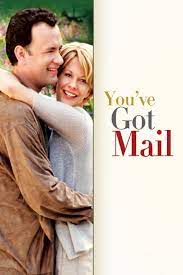




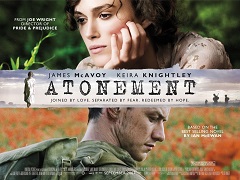


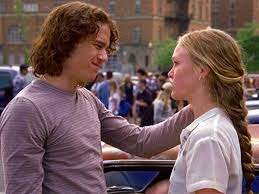

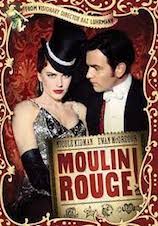


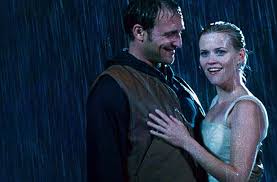


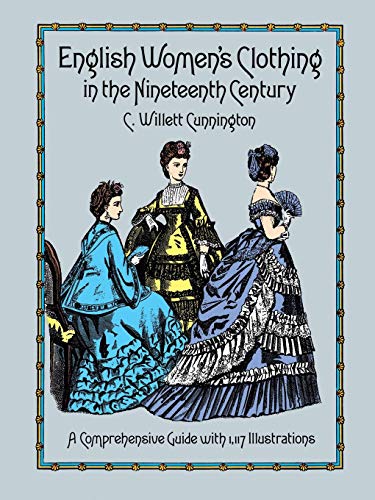


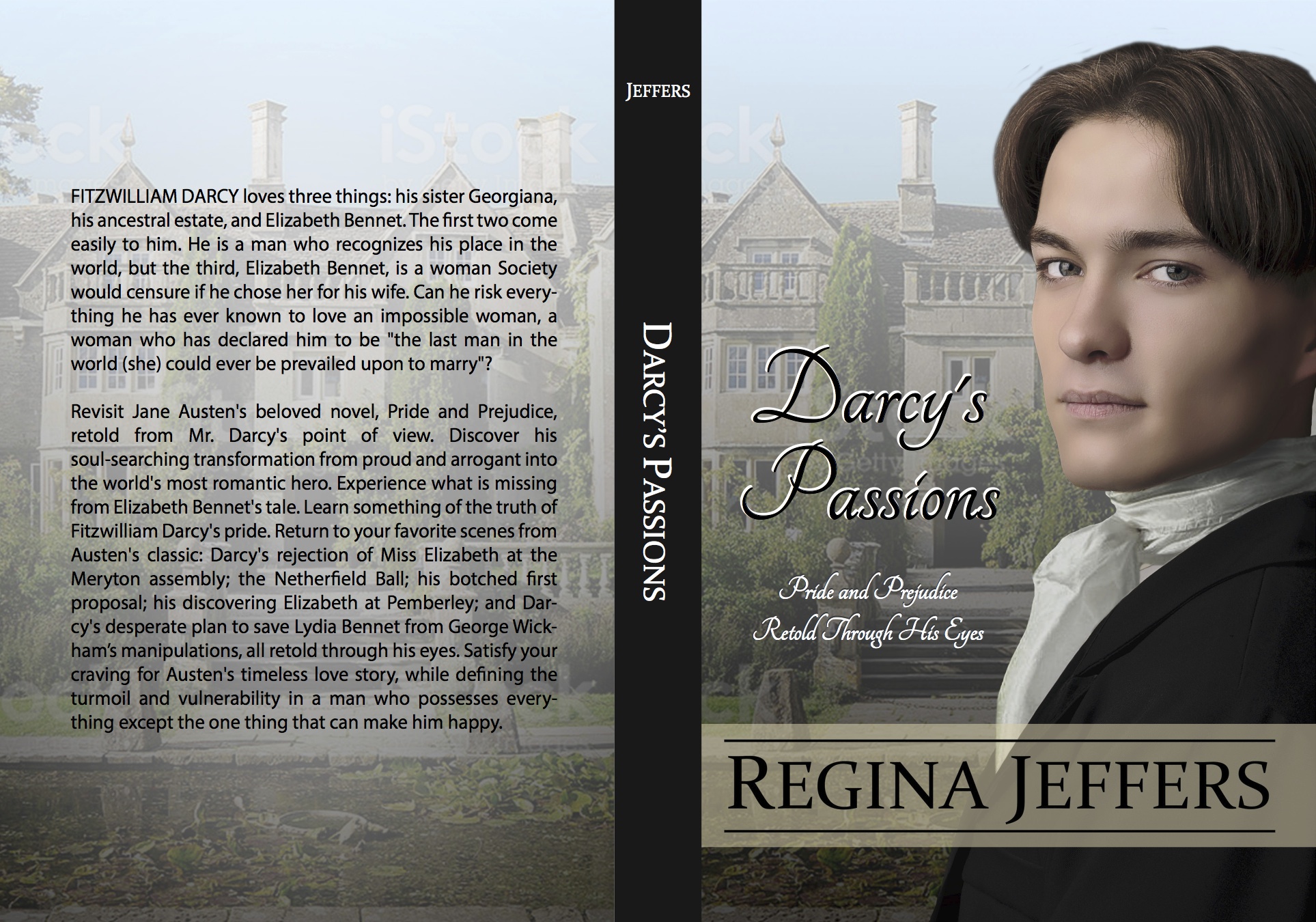

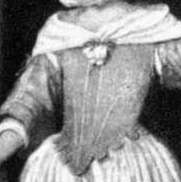
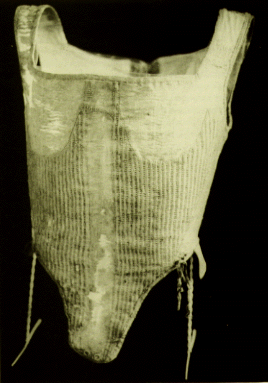
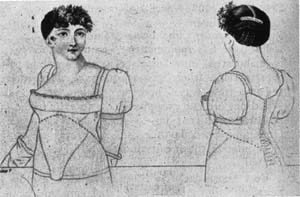
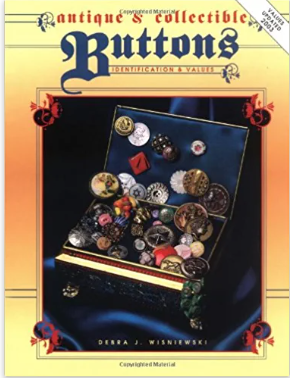


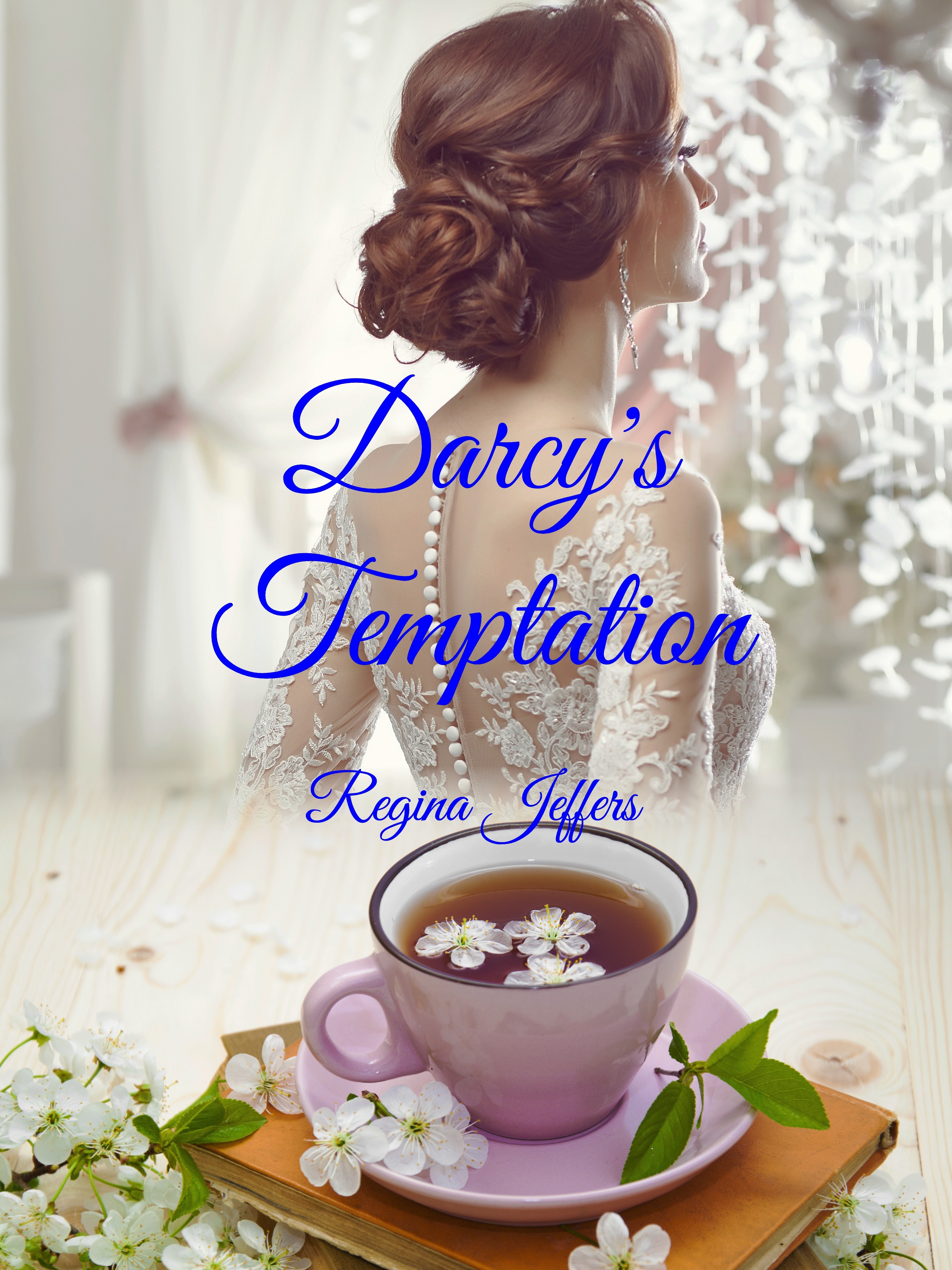


 Every Woman Dreams...
