In my new Austen inspired tale, several of the characters must travel between England and France in the midst of the Napoleonic Wars, specifically in 1813. There were multiple routes, some safer than others. At the beginning of the book, when Colonel Fitzwilliam is returning to Derbyshire, he takes a ship out of and lands in Northumberland, but what were the routes available?
To travel by ship from France to Northumberland, a person must cross the English Channel. Your exact route depends on whether you sail around the long western coast of the UK or take the most direct route.
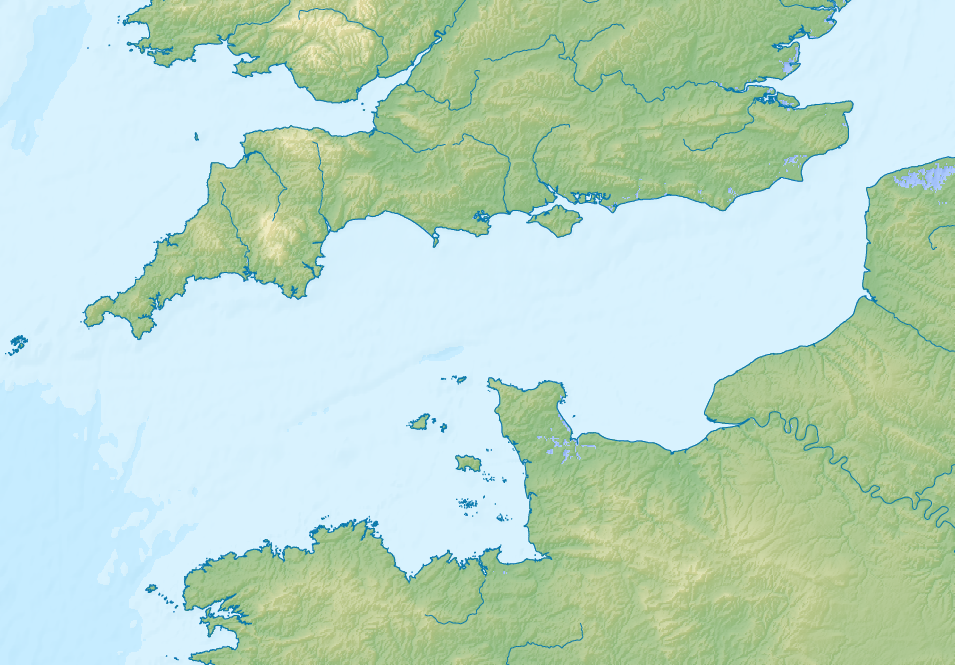
The English Channel, also known as the Channel, is an arm of the Atlantic Ocean that separates Southern England from northern France. It links to the southern part of the North Sea by the Strait of Dover at its northeastern end.
It is about 560 kilometres (300 nautical miles; 350 statute miles) long and varies in width from 240 km (130 nmi; 150 mi) at its widest to 34 km (18 nmi; 21 mi) at its narrowest in the Strait of Dover] It is the smallest of the shallow seas around the continental shelf of Europe, covering an area of some 75,000 square kilometres (22,000 square nautical miles; 29,000 square miles).
The two primary maritime paths used by those traveling between the two countries were:
The Direct Route (Eastern UK): The person would cross the English Channel from northern France (such as Calais) through the narrow Strait of Dover into the North Sea, and continue sailing north along the British coast until he reached Northumberland.
The Western Route: You will cross the English Channel from western or northern France, sail past Cornwall, head up the Irish Sea, and navigate around the top of Scotland and down into the North Sea to reach Northumberland.

Excerpt from Chapter Seventeen as they discuss the routes possible to bring Christiana’s mother and brother to England:
That evening had Fitzwilliam making arrangements for an early departure, the following day. They had several options, but none of them were without danger. His own mother would never listen to his plans, for her ladyship claimed the knowledge of his traveling the English Channel or the North Sea to reach the Continent was too frightening. “Both countries war vessels patrol the waterways and do not make me recite all the dangers smugglers bring to your plans. I refuse!”
“We could go to Jersey or Guernsey and travel overnight, but we must bypass the fortress. We can go to Gravelines and travel inland to Paris. If we take the Channel, we could land at Calais, which many English prefer. We could also choose Rouen, which is the capital of Normandy. Where we sit in will determine how many days we must be on the road once we reach Europe. None of the harbors are completely safe. How is your French, my lady? My lord?”
“Having lived there for nearly fifteen years,” she began, “both my understanding and usage are well developed.”
“Mine not so much,” Lord Kirkland admitted.
“Then you must constantly claim you cannot hear well. If we can find one, we might consider purchasing an ear horn.”
“No matter which route we choose, once we are on the Continent, it will take us at least three days to reach Paris and another three to return to the ship,” Edward explained again, making certain they all knew the dangers. “How did you come to England?” he asked Lady Christiana.
“We traveled north and then on to Guernsey, but that route must be executed at night, bypassing the main fortress and harbors in the dark. We used draft luggers for the shallows.”
Edward stared at her in admiration. “You are quite remarkable, my lady.”
“Then we agree to permit the yacht’s captain to choose where we land,” Kirkland confirmed, while essentially ignoring Edward’s admiration of the man’s granddaughter. “The weather and the French patrols mean we must be prepared to react to whatever comes our way. Guineas, correct?”
“No British bank notes. We take their currency, but that practice is not reversed on the Continent,” Edward reminded the man.
In the end, they permitted Darcy’s yacht crew to determine how close they would come to France proper, realizing some of the surrounding countries might be safer for travel, though it would be a longer trek to Paris. It would all depended onwhere they were permitted to sit in.”


