In the story, Darcy’s men find a body floating in a lake on Pemberley estate. The men must determine WHO the man is? What happened to him? When it happened? Where? How? and Why? When I was writing the scene, my first thought was there were cattails in the water, but was I in error or not? Let us find out.
It turns out I was correct, but still wrong. Yes, one would commonly find cattails in a lake or pond in Derbyshire, England. However, in the UK, they are not referred to as cattails; instead, they are generally known as reedmace or bulrush.
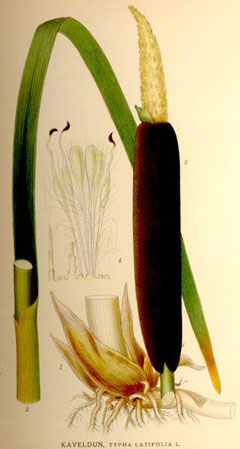
You can find the common reedmace (Typha latifolia) growing in the shallow, muddy edges of still waters, including reservoirs, lakes, and nature reserves throughout the county.
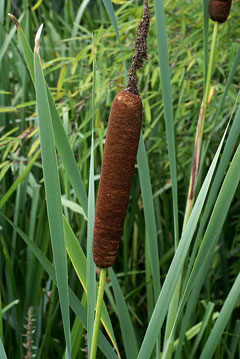
Both cattails and bulrushes are marsh-dwelling wetland plants, but they belong to entirely different botanical families. The easiest way to tell them apart is by looking at their flower heads: cattails feature a distinct, dense “hot dog” shaped cylinder, while bulrushes have spiky, star-shaped or globe-like clusters.
A side-by-side comparison highlights the key differences:
1. Flower Heads
Cattail (Typha): Distinct, fuzzy, cylindrical brown flower spikes that resemble a hot dog on a stick. In the fall, they explode into fluffy, cotton-like seeds.
Bulrush (Scirpus): Produces small, spiky, star-shaped or round clusters of florets. They do not form thick, brown sausages.
2. Leaves & Stems
Cattail: Flat, wide, and elongated leaves that grow primarily from the base of the plant.
Bulrush: The leaves can look much more grass-like, and some bulrush species have triangular or rounded stems rather than flat, sword-like leaves.
3. Height & Location
Cattail: Can grow up to 8–10 feet tall and typically thrives in very shallow, muddy waters along the edges of ponds and marshes.
Bulrush: Varies widely in height (often 3 to 6 feet) and tends to tolerate growing in slightly deeper water than cattails.
4. Naming Confusion
Regional Naming: The confusion is often geographical. In North America, the brown “hot dog” plant is called a cattail, while in the UK and Australia, people colloquially refer to the exact same plant (the cattail) as a bulrush.
If you are looking to spot them in person, you can easily find dense stands of them at local spots such as:
Kirk Hallam Lake & Meadows in Ilkeston (about 6 miles northeast of Derby)
Carr Vale Nature Reserve near Chesterfield
Tansley Pond near Matlock
Shallow edges of larger bodies of water like Carsington Water
These plants thrive in shallow water and serve as excellent habitats for local wildlife and wetland birds.