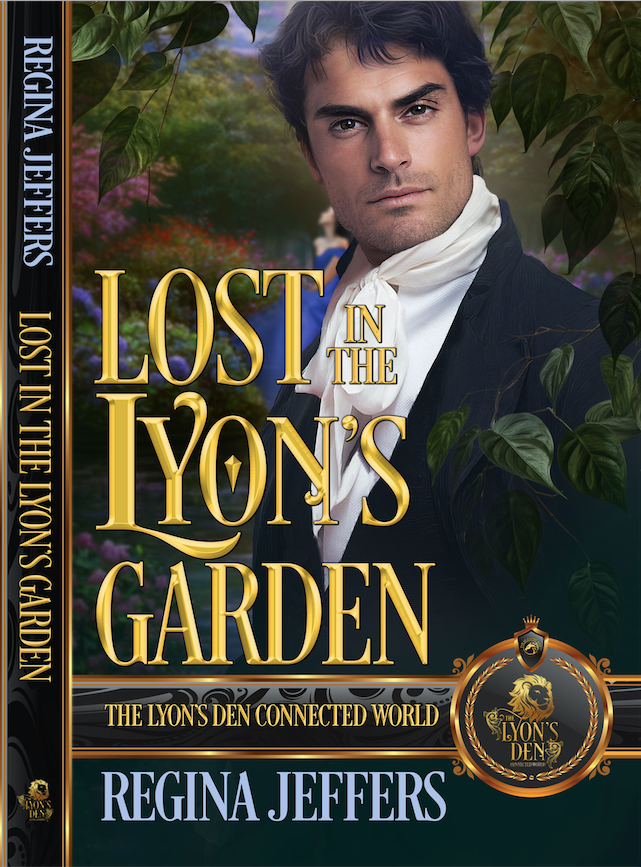
In Lost in the Lyon’s Garden, the heroine, Miss Victoria Whitchurch is charged with the care of her sister’s child, when Miss Cassandra goes missing. Obviously, Victoria must quickly learn what to feed the newborn. What exactly is pap? Were there other possibilities? Victoria is not rich enough for a wet nurse.
The National Library of Medicine tells us, “The literature on the use of animal milk for infant feeding begins with Soranus in the 2nd century CE. Literature evidence from the very first printed books in the 15th century proves that physicians, surgeons, midwives, and the laity were aware of the opportunities and risks of artificial infant feeding. Most 17th to 19th century books on infant care contained detailed recipes for one or several of the following infant foods: pap, a semisolid food made of flour or bread crumbs cooked in water with or without milk; gruel, a thin porridge resulting from boiling cereal in water or milk, and panada, a preparation of various cereals or bread cooked in broth. During the 18th century, the published opinion on artificial feeding evolved from health concerns to a moral ideology. This view ignored the social and economic pressures which forced many mothers to forego or shorten breast-feeding. Bottle-feeding has been common practice throughout history.”
Pap can be food for children, but the term can refer to different dishes, from a historically used semisolid infant food made from flour or bread crumbs to a nutritious maize-based porridge common in Southern Africa, such as mieliepap. A more modern, therapeutic version called Parma Pap is a high-energy, micronutrient-rich food designed to treat malnutrition in children.
Infant Feeding in History tells us, “Pap generally consisted of animal milk or water thickened with bread (or some kind of cereal) with some additives for palatability – perhaps honey, then later – sugar. It was a popular complement to or substitute for human breast milk, notably in the 18th century. Panada was similar and generally referred to cereals cooked in broth with some additives to flavour the food. Valerie A Fildes, Breasts, Bottles and Babies: A History of Infant Feeding, (Edinburgh: Edinburgh University Press, 1986) says, “… a decline in the use of dairy produce in pap over the course of the 17th century, so that by the 18th century pap sometimes contained no dairy produce at all. If this was the sole food upon which infants were fed there could be catastrophic results. There was insufficient protein, calcium, vitamins (A and D) and fats to enable them to thrive.”
Originally, I thought to give the child honey water. However, I did not want the public to scream at me for my choice, though what we know in 2025 was not what those in 1812 would have known. Therefore, I went with the pap, though I knew it, too, was not the best for the child. WebMD tells us, “Giving honey to babies under 12 months has been associated with a rare, but serious, condition called infant botulism. Infant botulism is caused by exposure to the spores of a bacterium. Clostridium botulinum bacteria spores can grow and multiply in your baby’s intestines. This produces a dangerous toxin that causes infant botulism.”
Fortunately, my hero of the tale steps in and hires a wet nurse for the boy to prevent any many crisis while the hero and heroine look for the child’s mother.


 Every Woman Dreams...