In the singular form the lexicon of a particular subject is all the terms associated with it. The lexicon of a person or group is all the words they commonly use. As a plural noun, a lexicon is an alphabetical list of the words in a language or the words associated with a particular subject. To distinguish lexicon from a dictionary, it is an alphabetical list of the words in a language or the words associated with a particular subject.
These examples are a mix of what one might hear upon the lips of the aristocracy, as well as examples of Cant used upon London’s streets and those terms used by farmers and like in the country.
under the hatches – to be without funds
undress – a term for the more casual clothes one might wear at home
union – short for a workhouse; usually built by a union of several individual parishes
up – used in referring to moving toward London; used in referring to coaches (and later to trains)
up – meant toward Oxford or Cambridge (to go up); in contrast, to be sent down was to be expelled from university
up in the boughs – to be overly elated or upset and the emotions associated with either
up the River Tick – bound for debtor’s prison; highly in debt; some believe debtor’s notes were called “tickets “– shortened to tick

en.wikipedia.org
Three chandeliers adorning the Tea Room
Upper Rooms – Bath possessed two large assembly rooms. The older Lower Rooms were near Bath Abbey in the lower part of the city. The Lower Rooms were destroyed by fire in 1820. The Upper Rooms were located near The Circus and Bennett Street in the upper part of the city. Although damaged by bombing in World War II, the Upper Rooms have been refurbished.
upper orders – same as the “ton“; upper class; high society
upper servants – those with the most seniority in a household; included the butler, the housekeeper, valet, and the lady’s maid; the housekeeper was always addressed as “Mrs.”
upper ten thousand – the term was likely coined by Georgette Heyer in her Regency books; meant to refer to the ton; most say it came from the wealthy families of New York in the 1840s
usher – an assistant to a headmaster of a school
vacation – the period between terms at the universities or the terms for London’s high courts
vail – a form of gratuity given by a departing guest to the household servants who attended him
valet – the counterpart to a lady’s maid; the valet took care of a gentleman’s dress/clothing; referred to as a gentleman’s gentleman; the gentleman’s personal manservant. He dressed and undressed his master, shaved him, did his hair, kept his clothes neat and meticulously ironed, blacked his boots, sewed buttons as needed, and kept secret any flaws of his master’s figure that might need correction by means of a male corset, shoulder pads, or false calves. But most importantly of all, the valet had the solemn duty of starching and tying that showpiece of male attire—the cravat.

valise – a small piece of luggage; carried by hand
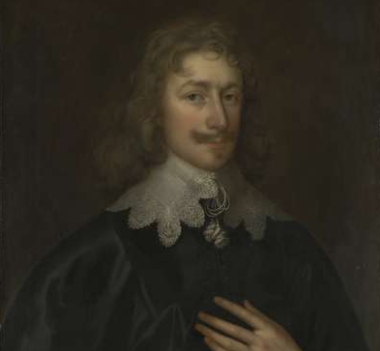
vandyke – named after the painter, Anthony Van Dyke; a style of collar or trimming with a dentate (ie sawtooth) border in lace or fabric

http://www.vauxhallgardens.com
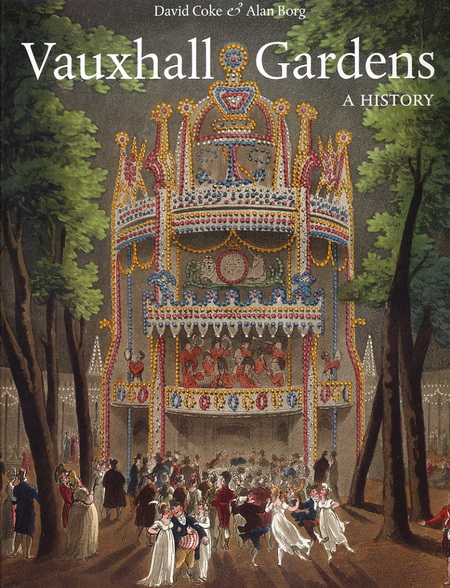
Vauxhall Gardens – an eleven-acre pleasure garden across the Thames from London; one of the leading venues for public entertainment in London from teh mid 17th Century to the mid 1800s
vellum – a parchment made from sheep or goat skin and used for fine quality writing paper
Venerable – a term of respect used when addressing an archdeacon of the Church of England
verger – the man who tended to the inside of a church
Vernon, Lady Susan – the main character in Austen’s Lady Susan novella; known as “the most accomplished coquette in England”
Very Reverend – form of respect/address for a dean in the Church of England
vestry – the room where the clergyman dressed for the service; also where the bride and groom signed the registry following the wedding ceremony; was often used to store sacred vessels or to conduct parish business
vexed – being highly annoyed
vicar – a parish priest appointed to the living by a landowner; he shared the tithes with the landowner; in contrast, a rector received all the tithes

vinaigrette – a small silver box containing vinegar; it was used to revive women who swooned or fainted; A small sealing box with a second pierced lid inside to contain gauze soaked in vinegar, lavender water, or other scent, the smelling of which was to revive when faint or to relieve from unpleasant odors. Carried inside a reticule or hung from a chatelaine, vinaigrettes were made by fine silversmiths.
A Vindication of the Rights of Woman with Strictures on Political and Moral Subjects (1792) – written by the 18th-century British feminist Mary Wollstonecraft, is one of the earliest works of feminist philosophy. In it, Wollstonecraft responds to those educational and political theorists of the 18th century who did not believe women should have an education. She argues that women ought to have an education commensurate with their position in society, claiming that women are essential to the nation because they educate its children and because they could be “companions” to their husbands, rather than mere wives. Instead of viewing women as ornaments to society or property to be traded in marriage, Wollstonecraft maintains that they are human beings deserving of the same fundamental rights as men.
ving-et-un – a card game; basically, it was the equivalent of “21”; getting as close to 21 without going over
vis-à-vis — a carriage capable of carrying four people; two seats; passengers in the front face backwards/rearward and those in the rear face forward; from the French for “face-to-face.”

viscount – a peer ranking below an earl and above a baron; his wife is a viscountess; was spoken of or called the “Right Honourable” and addressed as Lord__________
visiting card – a card displaying one’s name; left when paying a call
visitation – when a bishop or archdeacon made a tour of a parish or a diocese
Volume the First – one of the three sections of what is known as Jane Austen’s “Juvenilla”; it contains Austen’s “Jack and Alice” and “Henry and Eliza”; Austen copied many of her pieces in three volumes; the volumes are NOT in chronological order
Volume the Second – the earliest of Austen’s three volumes, likely completed when she was 14-15 years of age; it is marked with “Ex dono mei Patris” (From my father); it is dated in 1790; two of the better selections in this volume is “Love and Friendship” and “The History of England,” which made fun of Oliver Goldsmith’s History of England
Volume the Third – another of Austen’s “Juvenilla”; inside is written in her father’s handwriting “Effusions of Fancy by a very Young Lady Consisting of Tales in a Style entirely new”; this volume contains “Caatharine; or The Bower” and “Evelyn”
volumes – books during the Regency were published in volumes; most often the books were three-deckers (three separate volumes); in Jane Austen’s case, all her books are three-deckers, except Persuasion and Northanger Abbey, which were two volumes each
vowels – an I.O.U.; debts
Other Sources:


 Every Woman Dreams...