In the singular form the lexicon of a particular subject is all the terms associated with it. The lexicon of a person or group is all the words they commonly use. As a plural noun, a lexicon is an alphabetical list of the words in a language or the words associated with a particular subject. To distinguish lexicon from a dictionary, it is an alphabetical list of the words in a language or the words associated with a particular subject.
These examples are a mix of what one might hear upon the lips of the aristocracy, as well as examples of Cant used upon London’s streets and those terms used by farmers and like in the country.
wafer – made of flour and gum; one dampened the wafer and then placed it on a letter to seal it
waggonette – a four-wheel lightweight carriage; used for pleasure trips such as picnics, etc.; common mode of transportation for the rural middle-class; could seat 6; very popular after the mid 1800s
Walcot Church – the site of the marriage of George Austen (1731-1805) to Miss Cassandra Leigh (1739-1827) on April 26, 1764; located in Bath
wainscoting – a “fancy” oak imported from Russia, Holland, or Germany; the term “wainscoting” was applied to panels originally made of such oak
waistcoat – a vest for a gentleman
waistband – the part of a skirt or pants (around the waist) in which money was kept
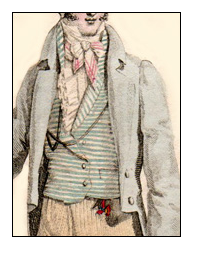
waistcoat – (also spelled “weskit,” for such the pronunciation in the Regency era) a sleeveless under-coat, either single or double breasted. Americans might call it a “vest.” short, and cut square across the waist; single-breasted versions were most often worn with evening wear; single- or double-breasted styles were worn with day wear; during the early 19th century, the waistcoat almost always had lapels; sometimes were layered, often pairing a white waistcoat underneath a patterned waistcoat.
walking out – long romantic walks were discouraged; there was a “no time alone in private” rule for courtship
wallflower – a young lady repeatedly without a partner at a ball/assembly; gentlemen were expected to ask young ladies who were seated without a partner to dance
watch fob – A short chain or ribbon with an attached medallion or ornament that connected to a man’s pocket watch and hung from a small pocket in his waistcoat. Men often wore several fobs, along with seals and other ornaments, clustered together on a single chain or ribbon. (via Candace Hern)

watering pot – one who cries easily or too much
waltz – introduced to England from Germany in 1812; was considered scandalous as it required the partners to be in close proximity to one another; was finally approved by England’s great dancing arbiter, Thomas Wilson, in 1816; even then, the waltz was only approved for married couples

ward – a child under the care of a guardian and not his parents; wards in Chancery were so assigned by the courts; a Chancery ward could not marry or enter into a contract without the court’s permission
wardrobe – large wooden cupboard used for hanging clothes
warrant officer – an officer in the Royal Navy; usually a boatswain, carpenter, or surgeon; his position was attained by warrant rather than by commission
washhand stand – a small table in the bedroom that held water, soap, towels, etc., for the occupant’s ablutions; changed several times daily by a household maid
Watch – men who policed the streets at night; called out the time and weather at set intervals
watch guard – a chain or ribbon attached to a watch/timepiece to keep it attached to the gentleman’s clothing
water butt – a barrel placed under the eaves to catch rain water for washing, etc.
water cart – used to keep the dust down on dirty streets; water was released through small holes in a barrel as the cart rolled along the streets
watering place – seaside resorts such as Bath and Mudeford where one went to drink or bathe in the “healing” waters
Waterloo – The Battle of Waterloo was fought on Sunday, 18 June 1815, near Waterloo in present-day Belgium, then part of the United Kingdom of the Netherlands. An Imperial French army under the command of Emperor Napoleon was defeated by the armies of the Seventh Coalition, comprising an Anglo-Allied army under the command of the Duke of Wellington combined with a Prussian army under the command of Gebhard von Blucher. It was the culminating battle of the Waterloo Campaign and Napoleon’s last. The defeat at Waterloo ended his rule as Emperor of the French, marking the end of his Hundred Days return from exile.
watermen – rowed people out to boats on the River Thames or across the river for a fee
watermen – stood at hackney stands and gave water to the horses
wax jack – a coiled spindle that held a taper of sealing wax meant to seal documents/letters

wedding clothes – a woman’s parents purchased her an entire wardrobe (from ball gowns to riding habits) for the wedding; the bride traditionally wore a formal white bridal gown (the girl had the option of wearing her best dress, which could be any color except black or red); the dress was, generally, a white muslin columnar or tube-shaped dress, which was decorated with fine needlework; serving as underwear, a white chemise was worn beneath the gown; men wore his best clothes; the groom usually spent his money on a new coach
wedding protocol – weddings occurred during the canonical hours (between 8 A.M. and noon), unless the couple had a special license, which allowed them to marry later in the day, if they chose; usually, only friends and family were invited to the ceremony (unless the couple were extremely showy or held a place of importance in Society); the ceremony was followed by a wedding breakfast; at the breakfast the couple would often distribute little gifts to their guests
weeds – mourning clothes
weepers – symbols of morning easily spied by the public, such as a black band on a man’s hat or a long black veil on a lady’s
Wellington, Duke of – Field Marshal Arthur Wellesley, 1st Duke of Wellington, (1 May 1769[1] – 14 September 1852), was a British soldier and statesman, and one of the leading military and political leaders of the 19th Century; defeated Napoleon at the Battle of Waterloo; later became Prime Minister; was responsible for passing the Catholic Emancipation Act in 1829
wet nurse – hired to breast feed a child not her own
West End – the western part of London, reaching from Charing Cross to the western boundary of Hyde Park; included Buckingham Palace, Mayfair, and St. James’s Park
Westminster – a separate city west of London (before London expansion); home of the monarch and Westminster Abbey, the royal palaces of Whitehall and St. James, the Palace of Westminster, the royal courts and Parliament
whalebone – used to reinforce the corsets worn by ladies of the day
wheelers – horses harnessed closest to the carriage (“leaders” were the farthest away)
Whig Party – the Whig Party was revived by Charles James Fox (1749-1806); the Whigs supported the reformists, religious dissent, and the need for electoral and parliamentary change; keep in mind that during the Regency, only rich landowners could vote
whippers-in – assistants of the huntsman during a fox hunt; kept the hounds together (“whips” became the term for party members who kept tabs on others in their Parliamentary party to make them available for crucial votes)
whipper-snapper – a small fellow
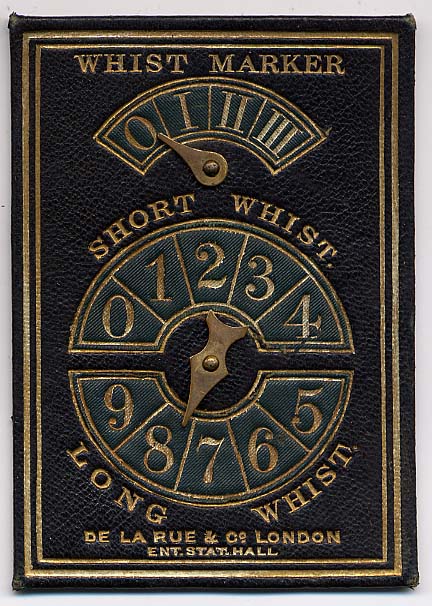
whist – a card game similar to bridge for 2 to 4 players
White’s – along with Brooks’ was one of the premiere gentlemen’s clubs during this period; White’s was for some time a citadel of the Tory party, as Brooks’ was for the Whigs, yet many members of the club either belonged to the other party (and the other club) or had no political affiliation; the oldest gentleman’s club during the time period; White’s Chocolate House was opened in 1693 and is said to be the origin of the name and the affiliation; opened as a gentleman’s club on St James’s street, but the original burned down in 1753; moved to larger quarters across the street, where it remains; members were voted into White’s and other exclusive gentlemen’s clubs in London by a secret election using white balls/marbles and black balls/marbles, such is where we get the term “blackballed” when admittance is not permitted

white gowns – Most gowns of the period were made from muslin, a fine cotton fabric. White was the favorite color of muslin gowns because it appeared very classical (like the marble statues of Ancient Greece and Rome, which were very much in vogue at the time), and a white gown indicated the wearer was rich enough to employ maids to keep the gown white.
Whitehall – home of the Admiralty, the Treasury, the prime minster’s residence at 10 Downing Street, the Horse Guards, the army headquarters, etc.
Whitsun – the seventh Sunday after Easter; also known as Pentecost
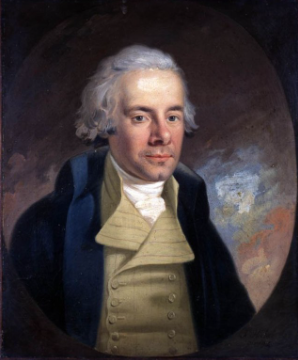
William Wilberforce – an Evangelical reformer (1759-1833) who strongly opposed the slave trade
wilderness – an area in a park or garden where one found many trees, as opposed to the groomed lawns
window tax – one of the taxes active during the Georgian era; every window in a person’s house was taxed
Windsor – a town on the Thames west of London; housed a palace of the royal family
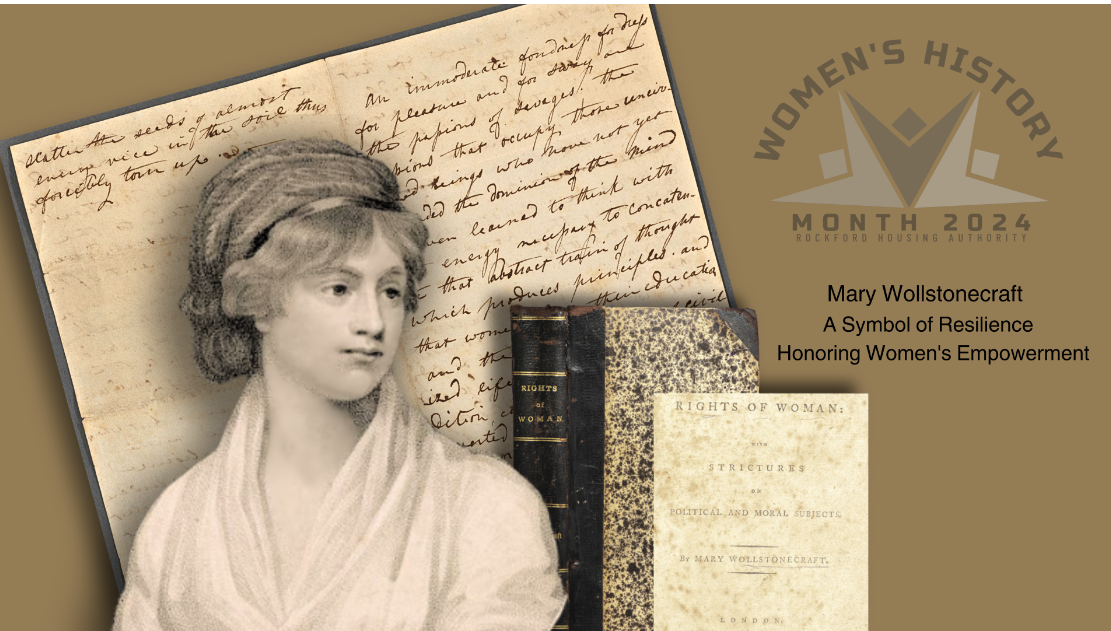
Mary Wollstonecraft – the most famous champion of women’s rights of the period; she authored A Vindication of the Rights of Women (1792); Wollstonecraft accused Fordyce’s Sermons of creating “artificial grace” in females
woolsack – the Lord Chancellor sat on a sack filled with wool while presiding over the House of Lords; therefore, “elevated to the woolsack,” meant to assume the position as Lord Chancellor
The Wonder – A Woman Keeps a Secret– a comedic play by Susanna Centlivre, which dealt with ladies and gentlemen in love and with the jealousy love can entail
workbox – sewing, embroidery, etc.; women’s “work”
workhouse – the place where those unable to care for themselves went for food and shelter in exchange for work
worsted – a fancy wool yarn; named for the place in Norfolk where the wool was made
wrangler – the name given to those taking top honors in math at Cambridge
Other Sources:


 Every Woman Dreams...
Very interesting and informative, Regina.
I am pleased you found it of interest, Gerri.