One Author Carries His Agent’s Rejection Too Far

This article comes from the Los Angeles Times. It is a “lesson” in self control. To read the whole story, please visit http://www.latimes.com/features/books/jacketcopy/la-jc-literary-agent-assault-twitter-20120914,0,7168502.story?track=rss

On Thursday, the Twitter feed of @BookaliciousPam was full of the normal posts: plans to attend an upcoming writers’ conference, which galley service she preferred, enthusiasm for good books. Then she wrote that she had just been the victim of attempted carjacking.

But it wasn’t a carjacking; it was an attack by an author whose work she had rejected.

Pam van Hylckama Vlieg began working as a literary agent for San Francisco’s Larsen Pomada Literary Agency this summer. For years she’s been blogging about romance as Bookalicious and running a separate kids’ literature blog. She’s one of those people who has been comfortable living online, using Twitter, Facebook, and the check-in app Foursquare. And that may have been the problem.

Posted in Industry News/Publishing | 4 Comments

The Lesser Key of Solomon, a Grimoire

The Lesser Key of Solomon (or) Lemegeton (This would have made a great Halloween post with the October holiday so often associated with witches, demons, and spirits.)

The circle and triangle, used in the evocation of the seventy-two spirits of the Goetia. The magician would stand within the circle and the spirit was believed to appear within the triangle.

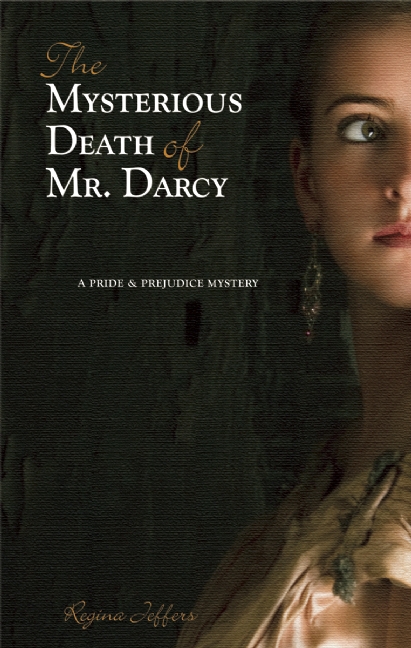
In researching my next cozy mystery, I have sought out several sources that speak of The Lesser Key of Solomon. Although there is not much print space assigned to it, the Lemegeton plays a central role in The Mysterious Death of Mr. Darcy. Therefore, I thought it prudent to bring to light some of the beliefs and inaccuracies associated with this text. What is this manuscript and what is its significance?

The Lesser Key of Solomon or Clavicula Salomonis Regis is an anonymous 17th Century grimoire (textbook of magic). It is widely known as the Lemegeton. The Lesser Key took much of its text from several 16th century manuscripts, including Johann Wierus’s Pseudomonarchia Daemounum (a hierarchy of demons) and late-century grimoires. Some of the first section dates to the 14th Century. Claims that the book was originally written by King Solomon have easily been proven incorrect, but that fact has done little to dampen the documents popularity among those who practice demonology. For example, titles are given to many of the demons. These titles of the nobility were not in use in King Solomon’s time, nor were the prayers to Jesus (Solomon was born some 900 years before Jesus) and the Christian Trinity included in the text.

Reginald Scott, who has completed extensive research on magical texts, mentions Ars Paulina, Ars Almadel, and Ars Notoria (three of the Lesser’s 5 books) and a text closely related to the Goetia. Several experts believe the text of the Lesser could have been collected by 1584.

Buer, the 10th spirit, who teaches “Moral and Natural Philosophy” (from a 1995 Mathers edition. Illustration by Louis Breton from Dictionnaire Infernal).

The Lesser provides detailed description of spirits and conjurations of how to evoke their powers. The several original copies extant vary in detail and spellings. Modern editions are widely available in print and on the Internet.

The books of the Lesser Key of Solomon include:

Ars Goetia – list of 72 demons similar to that of Johann Wierus’s; no demonic seals are assigned to Wierus’s demons, nor are the rituals for conjuring the demons as elaborate as those found in the Lesser; deals with the evocation of different types of spirits

Theurgia Goetia – a system of angel magic; closely parallels Trithemius’ Steganographia (At esotericarchives.com there are some great comparison between the Trithemius’ manuscript and the Lesser.); deals with spirits of the cardinal points; explains the names, characteristics and seals of the 31 aerial spirits that King Solomon evoked

Ars Paulina – the spirits in this part of the Lesser coincide with those found in Trithemius’s Steganographia Book 2; supposedly the Apostle Paul discovered “The Pauline art”; experts have known of the Ars Paulina since the Middle Ages; it contains detailed descriptions on how to deal with the angels of me

Ars Almadel – explains how the almadel, or a wax tablet with protective symbols drawn upon it; has instructions concerning the colors, materials, and rituals necessary for the construction of the almadel

Ars Notoria – a collection of prayers, mixed with kabbalistic phrases and magical words from several languages

Note! As one can easily see, researching the smallest details of a fictional novel are often time consuming. Authors attempt to be accurate in the most minute details, but often they encounter conflicting information, as I have in researching The Lesser Key of Solomon. In my story, the archaeologist finds an original copy of this manuscript, and several devious elements wish to take it from him.

Posted in British history, gothic and paranormal, Jane Austen, legends and myths | Comments Off on The Lesser Key of Solomon, a Grimoire

The Tale of Aradia, Daughter of Diana and Lucifer

In researching my next Austen-inspired cozy mystery, The Mysterious Death of Mr. Darcy, I have been reading LOTS of tales of paganism, witchcraft, and folklore. Believe me, this is not my usual fare, so it’s been quite eye-opening. Below, one will find the tale of Diana, Lucifer, and Aradia.

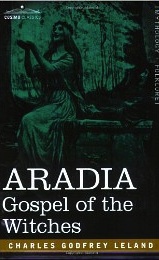
Aradia, a principal figure in American folklorist Charles Leland’s 1899 work “Aradia, or the Gospel of the Witches,” is considered a central figure in the modern pagan witchcraft revival. Aradia is featured in various forms of neopaganism, including Wicca and Stregheria, as an actual deity. Raven Grimassi, founder of Stregheria, claims Aradia was an actual historical figure who led a group of “Diana-worshipping witches” in the 14th Century in Tuscany. That figure was called Aradia di Toscano.

When Leland published his book, he claimed he had received the book from a Tuscan woman named Maddalena and that the story was the religious text belonging to a group of Tuscan witches. In the tale, Diana seduces her brother Lucifer, who is described as “the god of the Sun and of the Moon, and of the Light, who was so proud of his beauty, and who for his pride was driven from Paradise.” When Diana sent her child Aradia to the earth below, Diana instructed Aradia “To be a teacher unto women and men/Who fain would study witchcraft.” Aradia became the first of Earth’s witches, and she promised her students that “Ye shall all be freed from slavery/And so ye shall be free in everything.”

According to the legend, Aradia taught witches and gypsies about spells and charms. She also reportedly taught peasants how to perform magic to be used against the upper classes and, specifically, against the Roman Catholic Church. Leland’s tale speaks of Aradia performing magic and of the night assembly, known as the Sabbat. Leland speculated that this folklore ultimately had roots in ancient Etruscan mythology.

The folklorist Sabina Magliocco was originally a supernatural figure in Italian folklore, who was later merged with the other folkloric figures such as the sa Rejusta of Sardinia. 

Posted in gothic and paranormal, legends and myths, Regency era | Tagged , , , , , , , , | 2 Comments

Amazon’s Author Rank? Good News for Authors or A Step in the Wrong Direction?

This article comes from the Los Angeles Times. To enjoy the complete article, please visit http://www.latimes.com/features/books/jacketcopy/la-jc-amazon-author-rank-20121010,0,1235993.story

By Carolyn KelloggOctober 10, 2012, 10:58 a.m.

As if intending to bring back the emotional scars of not being popular in high school, Amazon has rolled out a beta version of something called Amazon Author Rank. If you are not an Amazon bestseller, you are not going to be in the top. Go on, sit over at the loser table.

There are two sides to the Amazon Author Rank. One is the public-facing one, where the 100 top-selling authors appear. The other is for authors’ eyes only — Amazon provides authors with the ability to see their own sales data in a portal called Author Central. Now the Author Rank has been added to it.

Authors have been crying out in pain on Twitter ever since.

“Thank you, Amazon, for introducing ‘Amazon Author Rank’. What a depressing start to the morning that was,” tweeted award-winning horror writer Michael Marshall Smith.

Young adult author Maureen Johnson wrote, “‘Are you an author? Check out your Amazon Author Rank at Amazon Author Central’ Or stick your hand into this woodchipper! CHOOSE NOW.”

“Breaking: Amazon proposes digital author rank displays be implanted in foreheads. Lower-rankers have to call high-rankers ‘sir,’ or ‘ma’am,'” wrote Myke Cole, author military fantasies published by Penguin.

Novelist and screenwriter Chuck Wendig joked, “My Amazon Author Rank today is: ‘Trembling Wombat.'”


Posted in Industry News/Publishing, writing | Comments Off on Amazon’s Author Rank? Good News for Authors or A Step in the Wrong Direction?

Regency Era Lexicon – We’re Up to the Letter “L”

£ – symbol for the pound, a monetary unit

Ladies’ Mile – a road in Hyde Park set aside for women

Lady – used in the following manner: colloquially used for a man’s wife; the wife of a baronet or a knight; the wife of a peer below the rank of duke; the wife of a younger son of a duke or marquis; the daughter of a duke, marquis, or earl

ladybird – slang for a prostitute

Lady Day – March 25; a quarter day; until 1752, it was the start of the year for official business; the day the Angel Gabriel announced the birth of Jesus to the Virgin Mary

lady’s maid – the woman who tended to the mistress’s clothes and grooming; was an upper servant in the household

Lambeth Palace – the official residence of the archbishop of Canterbury

landau – an open carriage with four wheels; had a hood at each end and two seats opposite

larder – where perishable goods were kept in a great house

laudanum – opium in a solution of alcohol

lawn – a fancy linen

league – a measure of distance that was not precise; somewhere between 2 and 4 miles

levee – a formal reception for presenting men to the sovereign

liberty – an area outside the formal city limits but was still subject to the law’s representatives of the city

license to marry – there were three different licenses/means to marry: common/ordinary license, which was purchased from a clergyman and the couple married in the parish in which one of them lived; calling of the banns, in which the intention to marry was announced over a period of three consecutive Sundays – the couple could marry within 90 days of the last calling of the banns; a special license could only be afforded by the wealthy and those of the haut ton, but they permitted the couple to marry at any time and place

lifeholder – land/property leased for a period of time equivalent to the life of the leasee

life peerage – meant the title died with the holder; not a hereditary title

Limehouse – an area in east London near the docks

linen – a generic term for fine shirts and underwear

link – torches carried by “linkboys,” who ran ahead of a carriage to light its way through the city streets at night

linsey-woolsey – material made of wool and linen

list – a cloth’s edge from which slippers were sometimes made

livery – the uniform worn by the servants of a house

living – a benfice

London Corresponding Society – founded in 1792 to oppose the war with France, fight hunger, and compel parliamentary reform; comprised mainly of small craftsmen

London Riots of 1795 – London Corresponding Society stoned the coach of George III as he traveled through London’s streets to open Parliament; later they rioted to pass acts forbidding Seditious Meetings, etc.

loo – a card game; must win the trick with the high card or the trump card

lord – member of the peerage; also a form of address; also a courtesy title given to the eldest sons of the peerage and to the younger sons, but only if the Christian and surnames were added (Lord James Landry)

lozenge – the shape of the coat of arms on a carriage for a spinster or a widow (rather than the shape of a shield used by the male heir of a line)

Low Church – people who did not practice the rituals of the Church of England (for example, the Evangelicals); stressed the Church’s Protestantism; tolerated Dissenters; supported Latitudinarianism or latitude within the church

lych-gate – a covered gateway at a church entrance where people attending a funeral would wait for the minister before moving the coffin to the graveyard


Posted in British history, Jane Austen, Regency era | 6 Comments

Jami Attenberg Names the Most Dysfunctional Families in Literature~Is Your Favorite Novel on the List?

This article comes from Publisher’s Weekly. I admit that when I read the title of the article, I immediately thought “Pride and Prejudice” and “Wuthering Heights.” My second thought included “The Way We Live Now,” “Ethan Frome,” and “House of Mirth.” What do you think of Attenberg’s list? WHAT BOOKS WOULD YOU ADD TO THE MIX? THERE ARE LOTS OF DYSFUNCTIONAL FAMILIES OUT THERE. If you wish more than a list of the titles, Ms. Attenberg includes her reasoning at http://www.publishersweekly.com/pw/by-topic/industry-news/tip-sheet/article/54424-the-most-dysfunctional-families-in-literature.html

Neuroses run rampant across three generations of the Middlestein family in Jami Attenberg’s sublime new novel,The Middlesteins. Who better to recommend great books about profoundly imperfect families?

In literature, as in life, every family is pretty much dysfunctional in one way or another. So what makes one dysfunctional literary family more memorable than the next? Personally, I prefer a little wit with my disaster, not to mention a little soul; it makes the pain go down easier. But every once in a while I like my families extra wicked and dark. I guess it makes me feel like I’m not that terrible after all.

Jonathan Franzen’s “The Corrections”

Lionel Shriver’s “We Need to Talk About Kevin”

George R.R. Martin’s “Game of Thrones”

Andre Dubus III’s “Townie”

Lauren Groff’s “Arcadia”

Mario Puzo’s “The Godfather”

Alison Bechdel’s “Fun Home”

Maria Semple’s “Where’d You Go Bernadette?”

Jane Austen’s “Pride and Prejudice”

Jeannette Walls’s “The Glass Castle”

Posted in Industry News/Publishing, Jane Austen, writing | Comments Off on Jami Attenberg Names the Most Dysfunctional Families in Literature~Is Your Favorite Novel on the List?

Women Writers in Jane Austen’s Time

Novels during the early Regency were geared toward the female reader; therefore, the door opened, if only a crack, for the female writer to step through. The female writers of the time assisted Jane Austen in several ways, among them the influence on her writing and building an audience for Austen’s early works.

The early female authors faced something that Austen did not. They faced public criticism, as women of the time, especially those of genteel birth, did not seek employment of any kind. Women were not to pursue fame and a career. They were discouraged by their husbands and families from publishing their works. Austen was fortunate to have a family who encouraged her writing, but even she published anonymously. Austen’s father, the Reverend Austen, even approached a publisher for Jane when she was but two and twenty. Later, Jane’s brother acted as her representative with the publisher under which she served.

Women of the period had a limited number of means at their disposal under which they might see their works come to fruition:

(1) Publishing by subscription – Subscribers signed up to purchase a novel. When enough subscriptions were guaranteed, then the publisher released the book.

(2) Publishing by profit sharing – The publisher released the book at his expense. Copies were sold until a profit was made. Only then did the author received a fee for his work. If no profit was made, the author received nothing, but the pleasure of seeing her name in print.

(3) Publishing by selling the copyright – The author took a chance in selling her copyright to the publisher. She would receive a fee for the sale, but nothing beyond that. If the book  made a profit, only the publisher benefited.

(4) Publishing on commission – For this venture, the author paid all the costs for the book’s publication. The publisher acted as the author’s distributor. In the sales, the publisher would earn a 10% fee from the profits. If the book saw no profits, the loss rested on the author’s shoulders alone. This was the method Jane Austen used for her releases. Jane Austen published her first book at the age of four and thirty.

First Edition title page of Austen’s “Sense and Sensibility,” published in 1811


Posted in British history, Jane Austen, Regency era, writing | Tagged , , , , , , | 1 Comment

Pledging Profits from November Book Sales to Hurricane Sandy Relief Efforts

In response to a challenge by my friends Abigail Reynolds and Sally Smith O’Rourke, I am donating half the profits from my November book sales from any of my Indie titles to Hurricane Sandy Relief. No matter the format (print or eBook). No matter the retailer (Amazon, CreateSpace, Barnes & Noble, Nook, Kindle, Kobo, Smashwords). Buy one of the following at your favorite online outlet and in your favorite format. I will donate half the profits to the Hurricane Sandy Relief efforts to aid those in the Northeast.

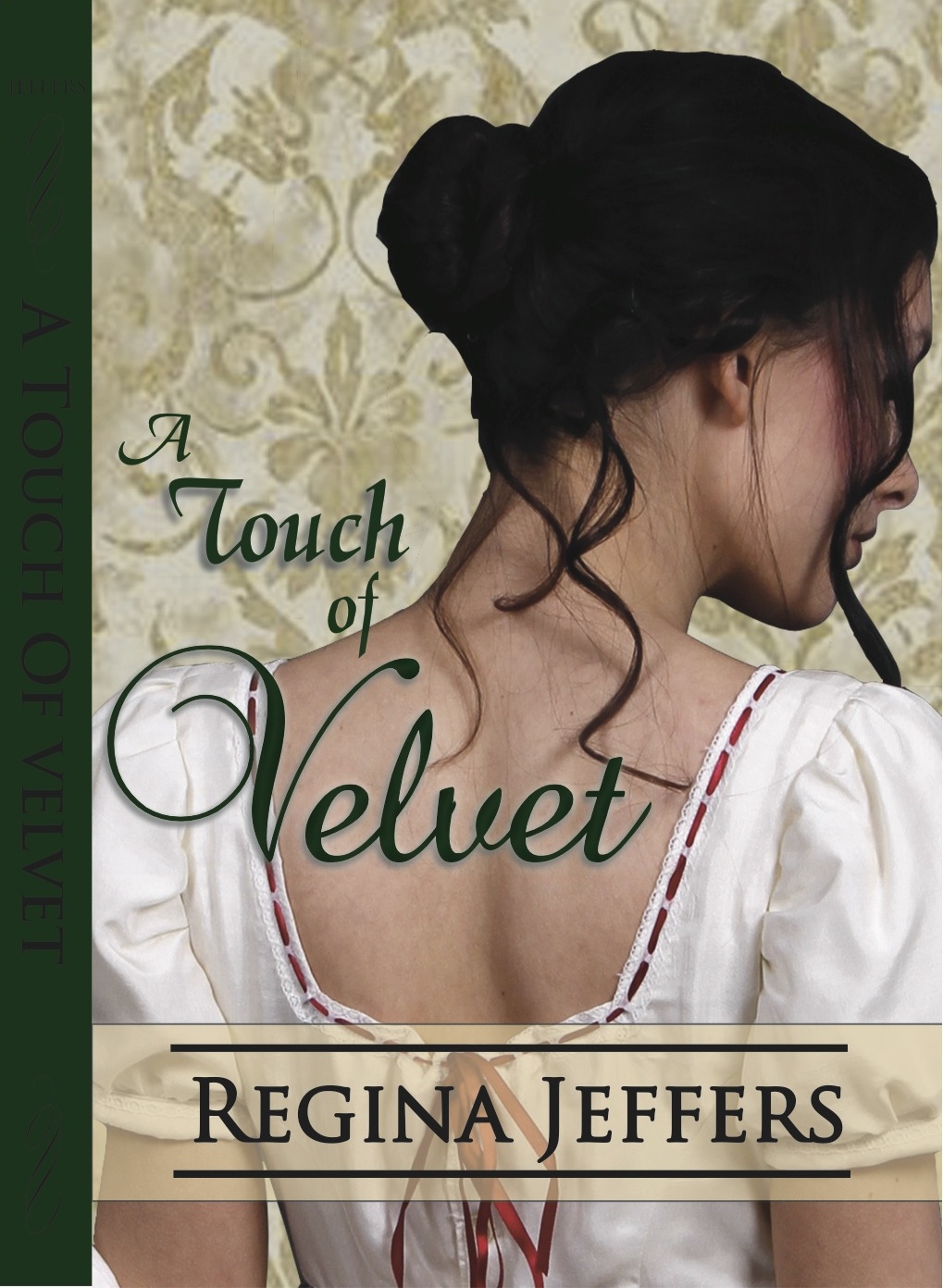
A Touch of Velvet (Book 2 of the Realm Series)

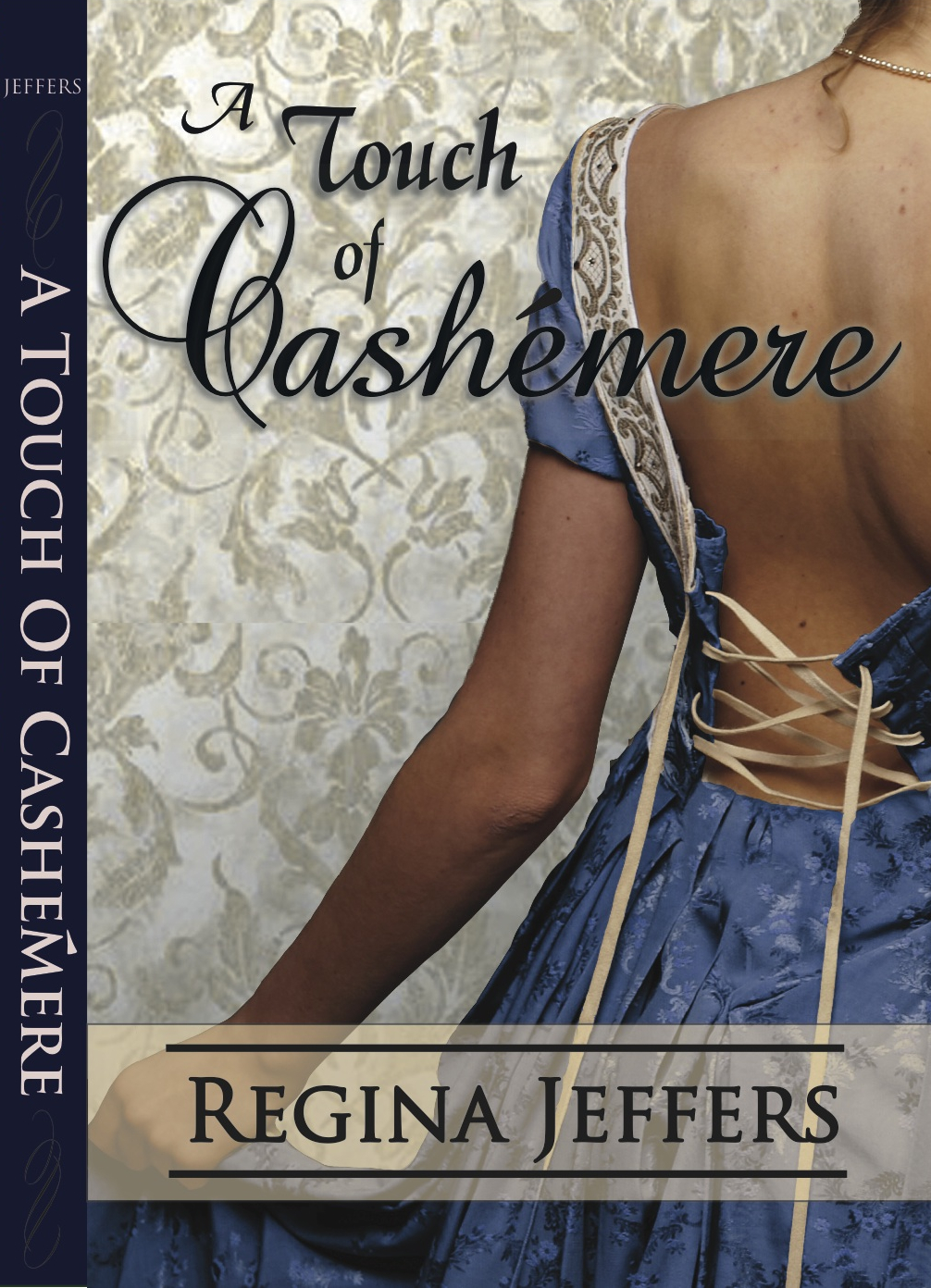
A Touch of Cashémere (Book 3 of the Realm Series)

A Touch of Grace (Book 4 of the Realm Series) 

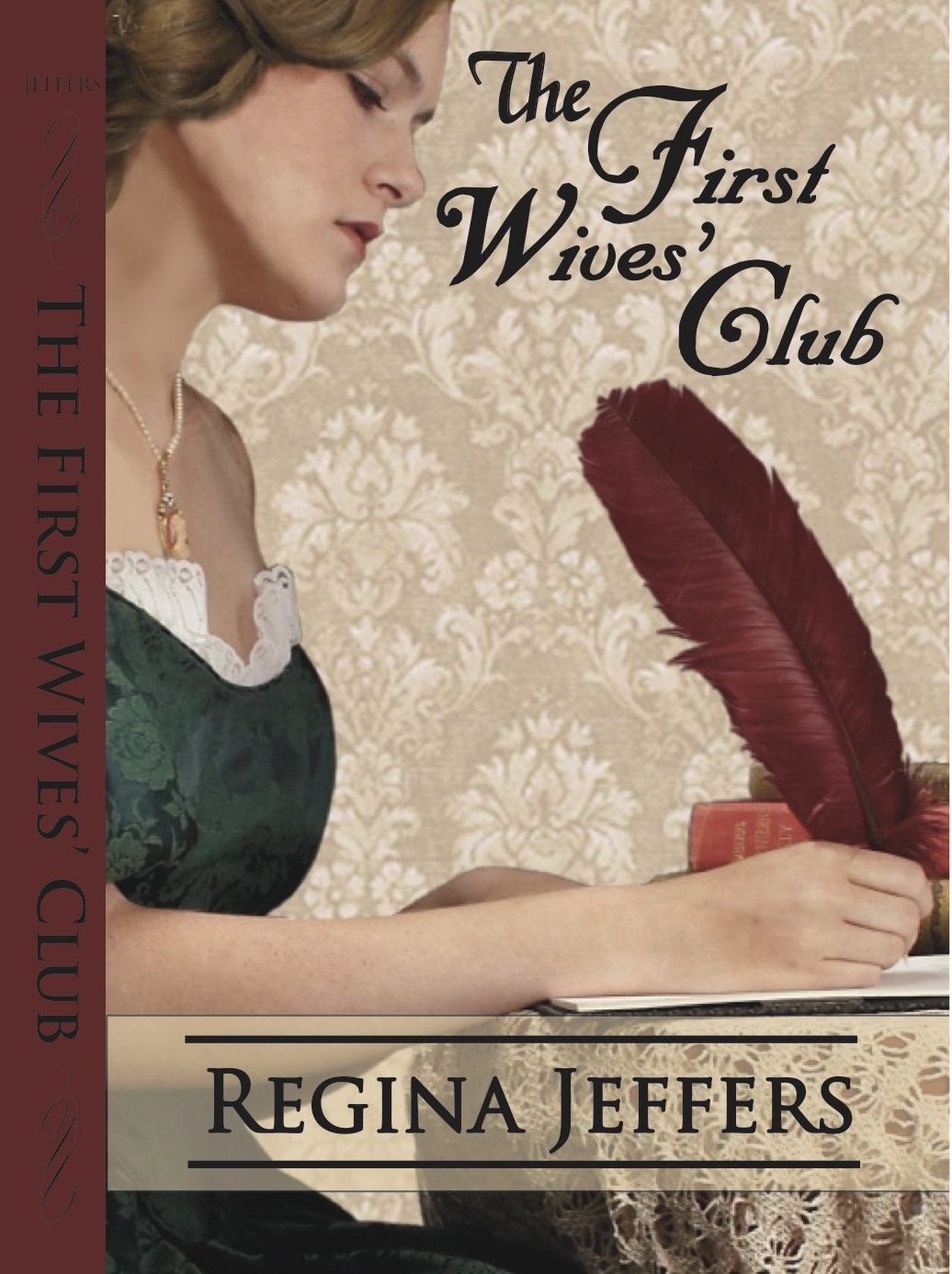
The First Wives’ Club 

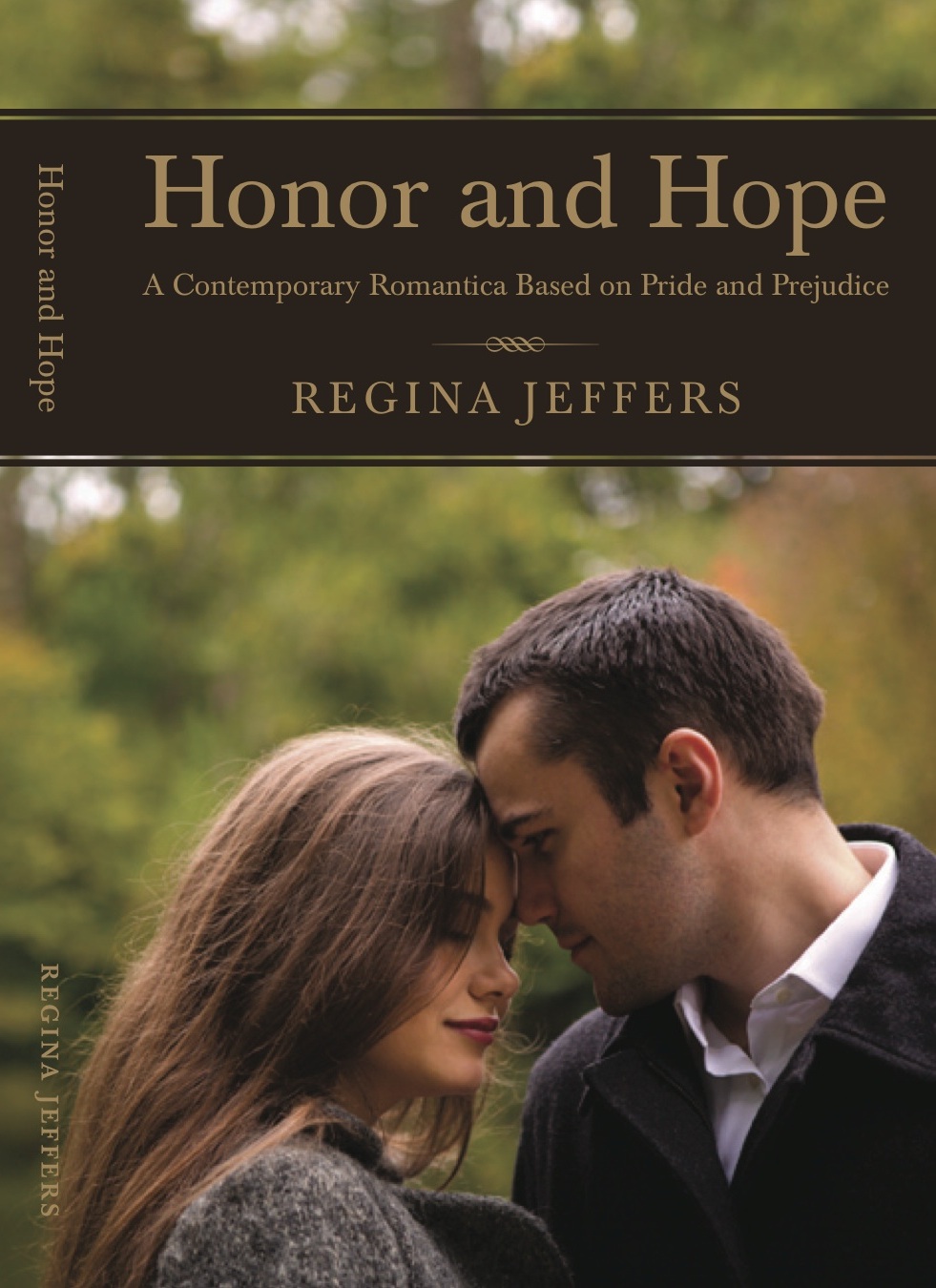
Honor and Hope: A Contemporary Romantica Based on Pride and Prejudice

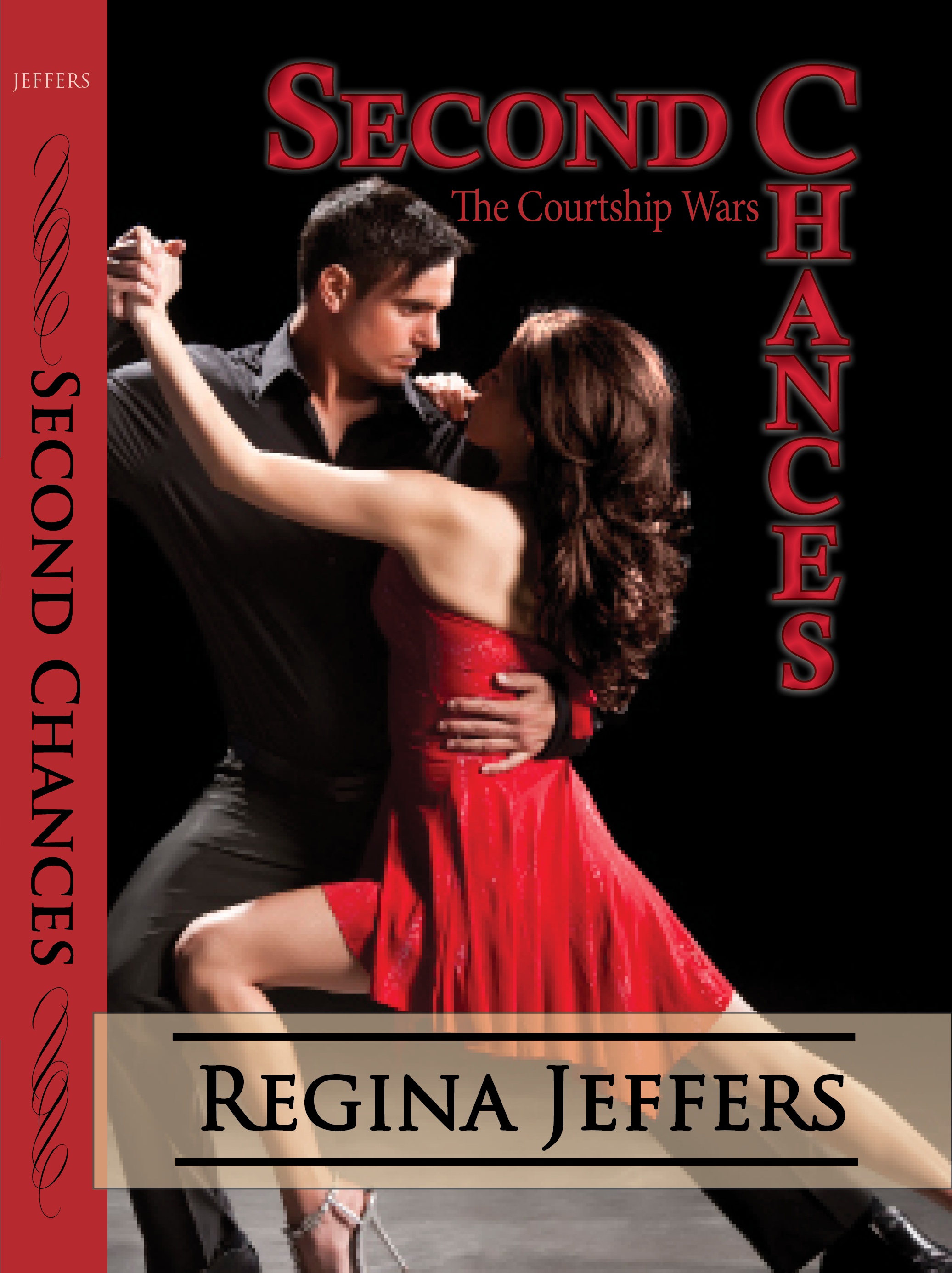
Second Chances: The Courtship Wars

Darcy’s Passions: Fitzwilliam Darcy’s Story (Be certain it is the version  pictured below that you purchase.)

Posted in Industry News/Publishing, Regency era, writing | Tagged , , , , , , | 7 Comments

A Breakdown of How Bestsellers Lists Are Determined

This short article comes from Tim Ferriss. It is a great summary of how The New York Times, the Wall Street Journal, and USA Today Bestsellers Lists are determined. What factors are considered in creating these lists? Mr. Ferris also introduces the reader to The Amazon Monthly 100. If you are an author or a budding writer, this one is well worth the read.  To read the article, please visit http://www.fourhourworkweek.com/blog/2012/08/17/amazon-monthly-100/

“Having had two bestsellers (and preparing to launch what I hope will be a third), I’m constantly asked about how bestseller lists work.  It can be a very complicated subject, but I’ll provide a summary of the major lists below, with the bonus of a brand-new list you’ve never seen: The Amazon Monthly 100.”

Posted in Industry News/Publishing | Comments Off on A Breakdown of How Bestsellers Lists Are Determined

Regency Era Lexicon – the Letters “I” and “J” and “K”

Imperial – the term “imperial” designated the officially adopted uniform system of weights and measures that replaced the MANY different standards that the English had used prior to 1820

Impropriate – tithes made to a layman rather than to a member of the clergy

Indenture – the agreement between an apprentice and the master craftsman

India Office – the governmental office that oversaw “issues” in India

india rubber – used to make erasers

inform – to bring formal criminal charges against a person

in-law – used to both designate a relationship achieved through marriage (mother-in-law, brother-in-law, etc.), as well as a step relationship [also “brother” and “sister” was often used to designate an “in-law” relationship]

Inns of Court – four institutions [the Inner Temple, the Middle Temple, Lincoln’s Inn, and Gray’s Inn] which housed barristers and their law offices, as well as dining facilities for the barristers and law students

Irish Union Act – actually two complementary acts [The Union with Ireland Act 1800 and The Act of Union 1800]; passed on 2 July 1800 and 1 August 1800 respectively, the twin Acts united the Kingdom of Great Britain and the Kingdom of Ireland to create the United Kingdom of Great Britain and Ireland; the union came into effect on 1 January 1801

ironmongers – a seller of hardware

irregulars – part-time volunteers or militia

jackboots – above the knee boots, often worn by the military to protect the knee/leg from leg injuries and sword attacks

Jack Ketch – an infamous hangman from the 1600s; his name became synonymous with the hangman

Janeites – a term used for devoted fans of Jane Austen; was popularized by Rudyard Kipling in a short story called “The Janeites,” first published in 1924

jet – coal that is highly polished and made into beads, etc.; one of the few jewels that were considered acceptable to wear during mourning

jig – a lively one-person dance

jobber – one who rented horses

The Jockey Club (a supposedly anonymous pamphlet, also known as Sketch of the Manners of the Age) – written in 1792 by the Radical journalist Charles Pigott; to answer the questions of the Prince Regent “unsuitable friends,” his mistress Mrs Fitzherbert, and his debts

jointure – the portion of the husband’s estate which he would leave to his widow upon his death; part of the “marriage settlements” which preceded marriages

joseph – an old-fashioned long coat, which was worn by woman when riding; was buttoned down the front

junior lordship – subordinate positons in governmental departments

justice of the peace – position to regulate peaceful/law affairs in a county; commissioned from the lord lieutenant

Juvenilia – the early works of Jane Austen

Kensington – an area just beyond Hyde Park in the western section of London

King’s Bench – one of the three superior courts of common law that sat in Westminster Hall in London; heard criminal cause

K. C. – an abbreviation following the name of barristers who were actually supposed to be counselors to the king; the initials represent “King’s Counsel”

knife – long favored as the instrument with which one ate; forks were late comers to the English table.

knight – the lowest of the titled ranks; used “Sir” before his given name (Sir William in Austen’s “Pride and Prejudice”); his wife was “Lady” + surname (Lady Lucas); a knight’s property was not automatically entailed

Posted in British history, Regency era | 4 Comments