The oldest document that makes reference to Masons is the Regius Poem, printed about 1390, which was a copy of an earlier work. In 1717, four lodges in London formed the first Grand Lodge of England, and records from that point on are more complete.
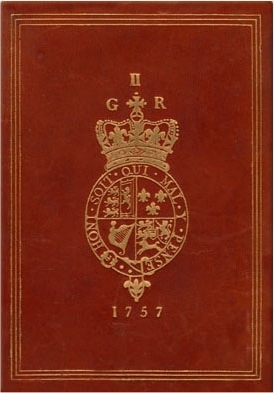
The Regius Poem, also known as the Halliwell Manuscript, is the earliest surviving Masonic document, dating to approximately 1390. Written in Middle English rhyming couplets, the poem details the history of masonry, how Euclid introduced geometry, and its arrival in England under King Athelstan. It then outlines 15 articles and 15 points for masters and craftsmen, providing moral guidelines, conduct on construction sites, and regulations for apprenticeships.
The Regius Poem is the earliest of the “Old Charges,” which are a collection of historical and regulatory documents for masons. It was discovered in the British Museum by James Orchard Halliwell in 1838. The manuscript is written on 64 vellum pages in rhyming couplets, a distinct feature compared to later prose-based charges.
The poem begins by describing Euclid’s invention of geometry and how the craft of masonry was brought to England during the reign of King Athelstan. The fifteen articles were the instructions, focusing on the conduct of master masons, including paying wages, attending assemblies, proper handling of apprentices, and the importance of moral behavior. The fifteen points provided similar rules and guidlines for the craftsmen themselves, covering their duties and behavior both on and off the job.

The Regius Poem is considered the foundational text for the Old Charges, setting a standard for the moral and vocational guidance of masons. It offers invaluable insights into the customs, practices, and ethical standards of the operative stonemason guilds of the Middle Ages.
They were a rather secretive organization. Over the centuries, people have described them as anything from a benevolent organizations like the Elks to a powerful secret group like malevolent Gnomes of Zurich and blamed them for everything from the French Revolution to the Spanish Civil War.
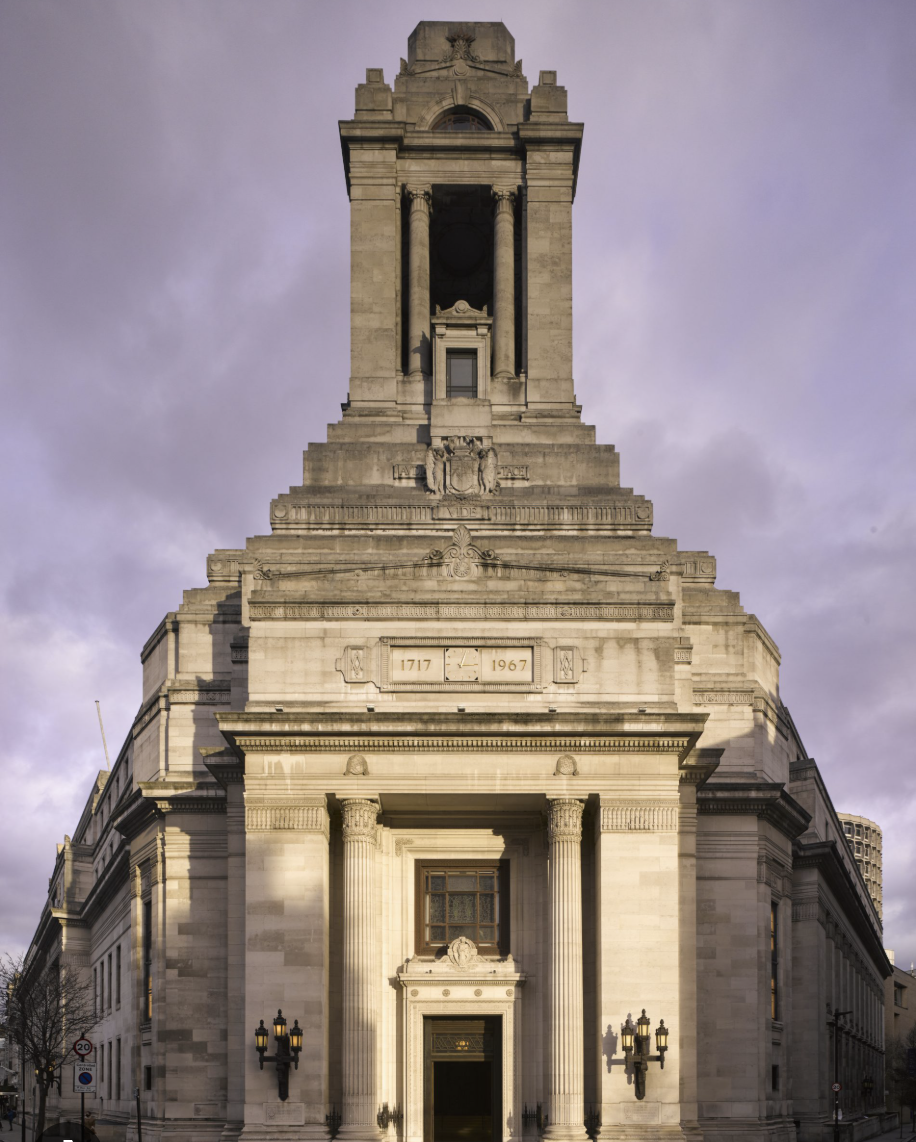
The first Grand Lodge of Freemasons in London, now known as the Premier Grand Lodge of England, was formed on 24 June 1717, when four local Masonic lodges met at the Goose and Girdiron alehouse in St. Paul’s Churchyard, London, to create a collective governing body. This organization was initially called the Grand Lodge of London and Westminster and was the first of its kind. Anthony Sayer was elected as the first Grand Master at the formation meeting. The organization soon attracted attention, and there was a long period that saw the publication of exposures of Masonic rituals. Even so, the Grand Lodge continued to grow with its first noble Grand Master, Jonh Montague, 2nd Duke of Montague, secured in 1721.
Other sources for more information:
https://en.wikipedia.org/wiki/Freemasonry
http://www.cbsnews.com/news/inside-the-secret-world-of-the-freemasons/


 Every Woman Dreams...