When I write my novels, I keep a “History of …” document that lists the character names with a brief description, a running calendar for the year in which the story is set, including important events from the story itself, and a bulleted chapter by chapter summary of what went on in each. I also keep a list of all the house names of my characters, but when I come to name them, I sometimes have too many “manors” or “halls” or “houses.” So how does one go about naming their estates in a historical story?
Question from a reader: When naming an estate for a book, I have always wondered if there’s a difference between say an abbey, house, manner, park, place, etc.
Is one title better to use than another in terms of title of residents?
Answer: It depends upon the effect you want for the character. Some show origin and others magnificence.
Devonshire House in Piccadilly, was the London townhouse of the Dukes of Devonshire during the 18th and 19th centuries. Following a fire in 1733 it was rebuilt by William Cavendish, 3rd Duke of Devonshire, in the Palladian style, to designs by William Kent.
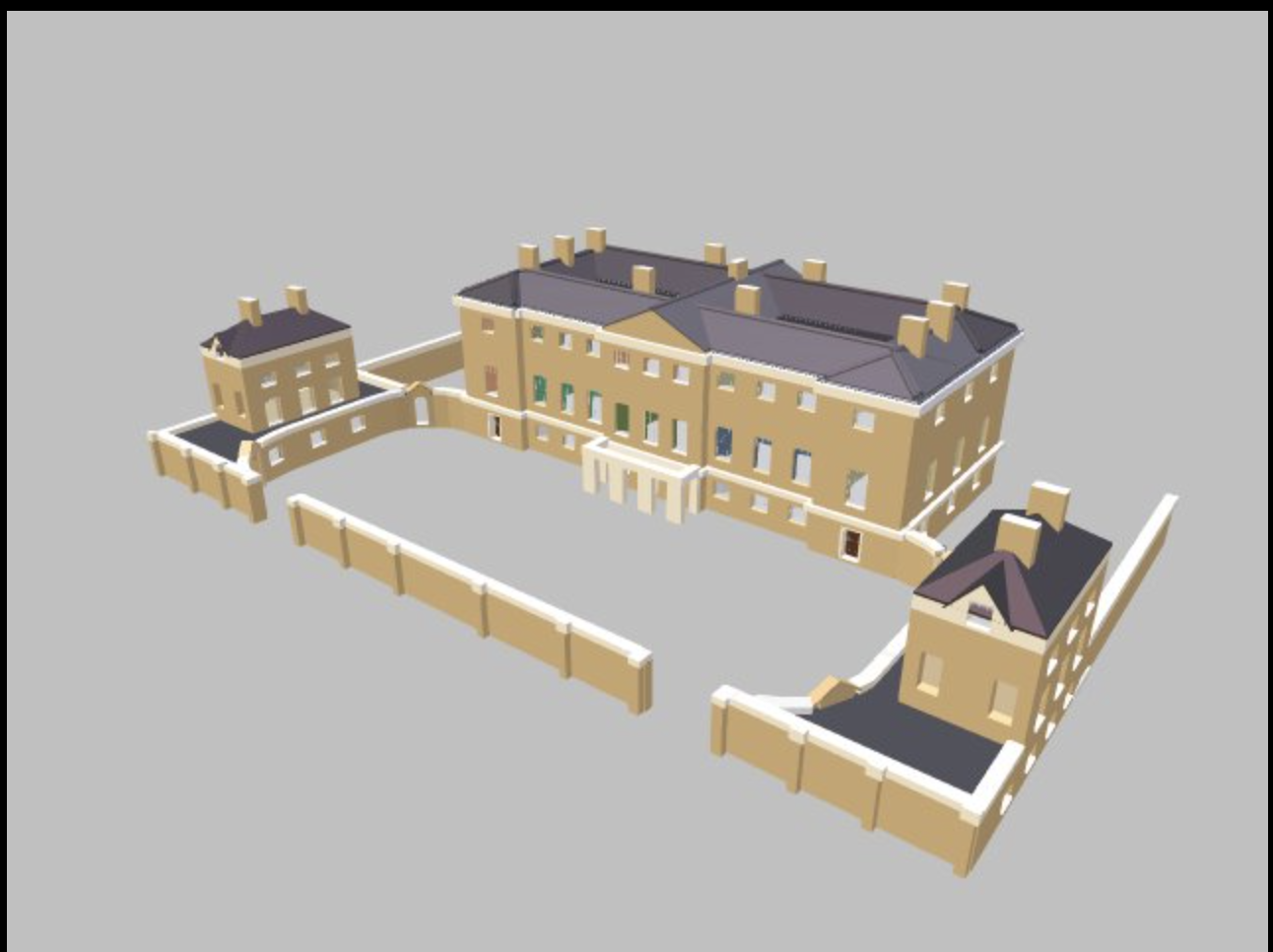
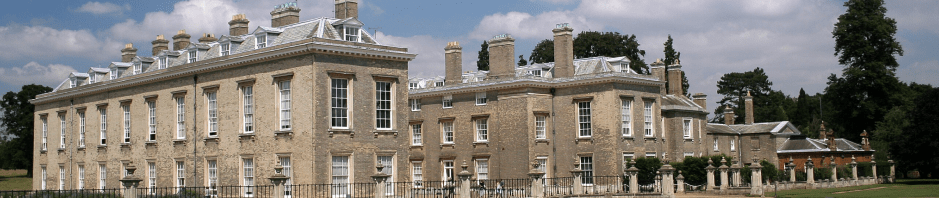
Still, Devonshire House is a great house in London. Many of the places just called “houses,” or those like Althorp House, have just a “plain” name were the equivalent of private palaces. Even the word “cottage” is deceptive as it can be a two room place or one with eight rooms.
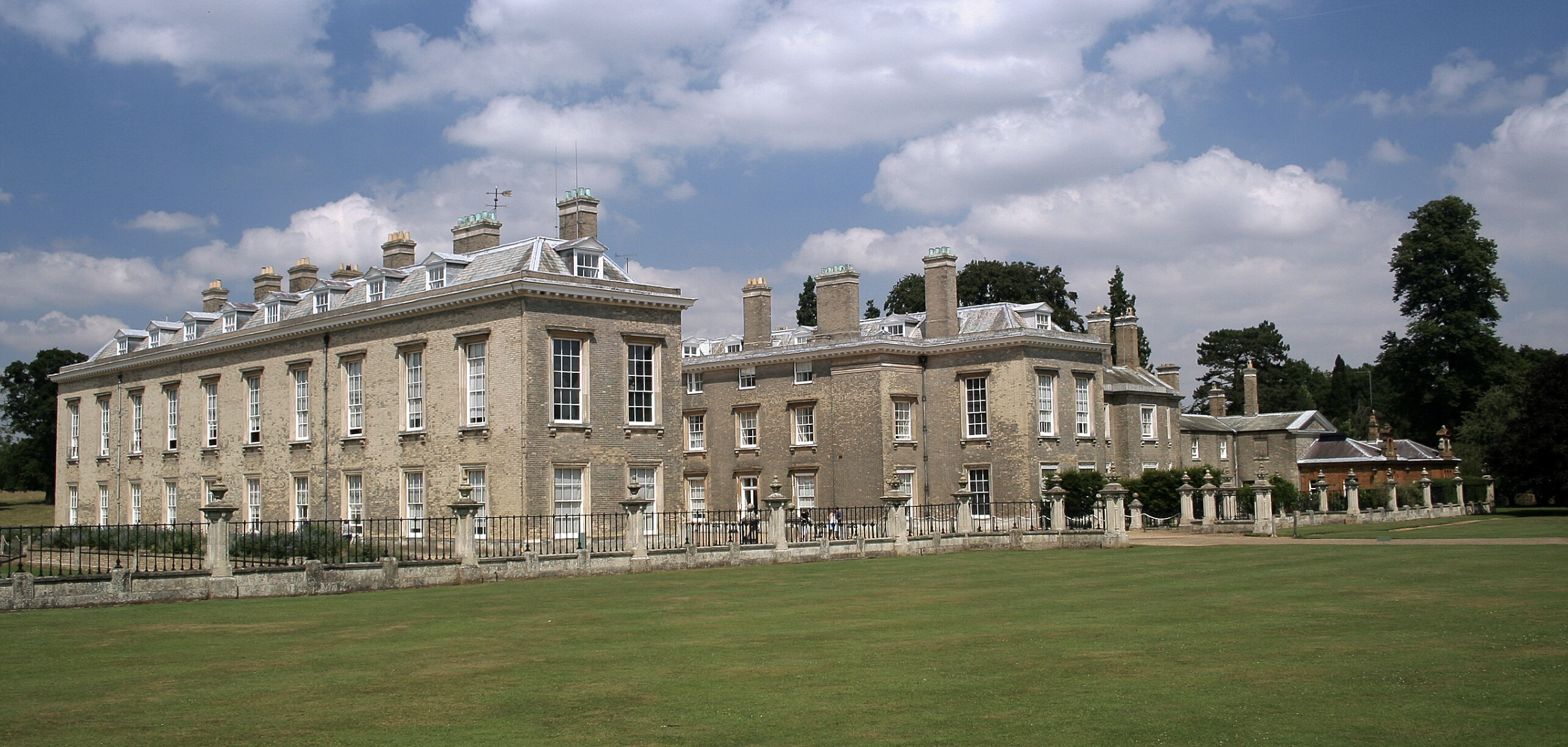
I always try to give the house a name that suits the architecture and size.
I have several books on houses and it does not appear to have any standard nomenclature. The fun comes when one must name the house in London and then the manor at the country estate.
In case you did not know, there a bit in the book called “What Jane Austen Ate and Charles Dickens Knew.” Sure enough, here is what it says:
Court = residence built around a courtyard
Grange = was one a grain storehouse or granary, often originally attached to a monastery
Hall = centered on a great hall in feudal times
House = usually indicated a fairly new residence, at least “new” compared to the ones above
Manor = inhabited by a lord of the manor whose tenants lived on and worked the surrounding land
Park = originally an area which the king permitted the owner to enclose for hunting deer; later, any closed-in, landscaped area
Abbey was not on that list, but I believe it was a property that had once been exactly that and had come to the owner via Henry VIII and the dissolution of the monasteries.
In truth, all the Abbeys with which I am familiar, like Newstead Abbey [which was in Lord Byron’s hands for a time] had been actual abbeys when England was Catholic. At the time of the Dissolution Henry VIII gave a number of these to loyal nobility to turn into private homes. Byron’s estate at Newstead Abbey, like many others, still has ruins of the original Abbey attached to the mansion, which I believe was built in the Tudor period and actually attached to the Abbey ruins. [Someone may correct me on that one. I have not taught English literature from some 18 years.
However, sometimes the abbey ruins were physically separate from the “modern” (Tudor period) house. Often, they were just low tumbles of rocks or entire walls, with only the Gothic arches surviving. But even when they became secular private properties the name Abbey tended to be still used – do not ask me why. Mayhap there was some status associated with owning one since family name had to be close to Henry VIII to qualify for such a gift.
PS: We are told in Jane Austen’s Northanger Abbey that that abbey was once a convent.
Place names for villages and for great houses also show their history in the actual name, often with integration of Danish, Saxon or other influences.
For example, Burghley (as in Burghley House) is derived from the Old English “burhleah,” and then one also has multiple spellings developing over the ages. So you want to look for where you are setting your fictional estate as to what historical influences are within the name.
In England, every name means something.
In one of my Austenesque titles, a plot point was that when Elizabeth Bennet first met George Wickham, his thick Derbyshire accent had her misunderstanding that Wickham was talking about “Kympton,” not the Hertforshire village of “Kimpton.”
In Jane Austen’s Pride and Prejudice, a clerical living (a position as a clergyman) is held for the character of Mr. Wickham in a fictional place called “Kympton”. Interestingly, there is a real village in Hertfordshire named Kimpton, which closely resembles the fictional Kympton in pronunciation.
Another Source:
www.localhistories.org/names.html
English place names have diverse origins, reflecting the country’s rich history and the succession of peoples who inhabited it. Many names are derived from Celtic, Latin, Old English, Old Norse, and Norman French. These languages have contributed to both the creation of new names and the evolution of existing ones.
1. Celtic Influences:
- The earliest place names in England are often traced back to the Celtic tribes who inhabited the region before the Roman invasion.
- Many river names, like Avon (meaning “river”), are of Celtic origin.
- The prefix “pen,” meaning “hill” or “headland,” is also of Celtic origin, as seen in names like Pendleton or Penrith.
2. Roman Influences:
- Following the Roman conquest, Latin place names appeared, often Latinized versions of existing Celtic names or names for Roman settlements.
- The suffix “-chester,” “-cester,” or “-caster” indicates a Roman fort (Latin: castra), as seen in Winchester, Lancaster, and Leicester.
- The Latin word “vicus” (settlement) is also found in names like Norwich and Sandwich.
3. Anglo-Saxon Influences:
- Old English is a major source of English place names, with many names incorporating elements related to the landscape, such as “leah” (woodland clearing), found in names like Barnsley and Henley.
- “Ditch” (dïc), “tree” (trëow), and “stone” (stan) are also found in place names.
- Settlement names often referred to the original inhabitants, their social activities, or the landscape.
4. Viking Influences:
- The Vikings, who invaded and settled in parts of England, also left their mark on place names.
- For example, York was known as Jorvik under Viking rule.
5. Modern Place Names:
- More recent names are often descriptive of a local feature, a building, or commemorate a famous event or person.
- Some are named after landowners or families.
In essence, the diverse origins of English place names reflect the complex and fascinating history of the region and its people. A guide to place-name elements suggests is available for further exploration.
Somewhere to the north of Salisbury (Wiltshire) lie twin villages, Collingbourne Earls and Collingbourne Ducis. The names arose when one of the villages declared for the King during the Civil War, and the other for Parliament (“Ducis” referring to Cromwell, the Leader).There are several villages around that area with Earl or Earls in their name. Presumably it was a fairly Royalist part of the country.


 Every Woman Dreams...