In my latest story Never Contradict a Lady, my heroine is a ballet dancer in the Opera House in Regency London. Miss Marian Cooper begins as a minor dancer waving large feathers in the chorus, but her natural talent and athleticism leads her to one of the starring roles, along with the prima ballerina, Madame Caroline, and the French composer (what we now call a “choreographer”), Monsieur Rameau. Mademoiselle Marian has also drawn the notice of cousins: Mr. Patrick Isaac, the son of a baron, who is one of the opera’s patrons, as well as Lord Gabriel Bruck, the son of the Marquess of Coulter.
The theme of this summer’s anthology is Summer Melodies, and, in truth, I thought to write about a songstress or a heroine who played the harp or the pianoforte, but, you see, I truly no little about either. I am part of the Sputnik generation where we gave up the fine arts for advanced math and science. However, I do know something of dance, for I was crippled as a young child and dance was part of my therapy, so my heroine is a ballerina.
In my story, the final opera of the season is Thomas Arne’s “Rosamond.” This particular opera was first performed with a libretto by Joseph Addison at the Lincoln’s Inn Fields Theatre in London on 1 March 1733.

“Rosamund” was Arne’s first opera. He was 23 years of age at the time. It was a resetting of an earlier libretto Addison had written for the 1707 opera “Rosamund” by the composer Thomas Clayton. Arne’s sister and brother both made their opera debut in this work, with his sister Susannah playing the title role. The original cast include not only Susannah as Rosamund, but also Richard Leveridge, a singer, but also a composer of Baroque music, as Sir Trusty, Jane Barbier, a contralto best known for her performances of Handel’s operas, along with Isabella Chambers (Grideline) and Richard Arne (page). Its popular airs “Rise, Glory, Rise” was sung regularly for many years afterwards.
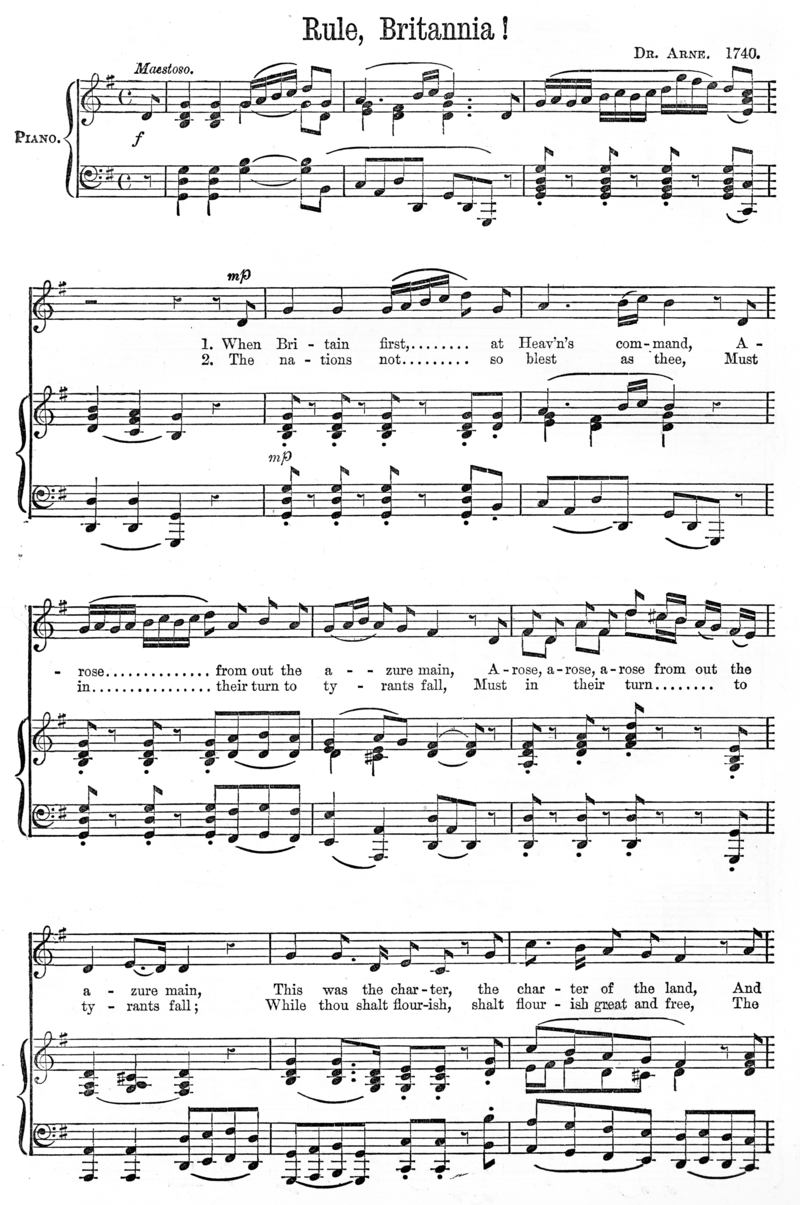
As a side note, Thomas Arne is well known in Great Britain for another accomplishment. He set to music James Thomson’s poem “Rule, Britannia”. The song was originally the final number in Arne’s masque, Alfred, about Alfred the Great. It was written to commemorate the accession of Frederick’s grandfather George I and the birthday of Princess Augusta. “Rule, Britannia” was the most lasting expression of the conception of Britain and the British Empire that emerged in the 1730s.
Story Blurb: Ballerinas were never ladies in Regency London, but Miss Marian Cooper was different. She was a woman of substance, the type of female a miserable example of English “quality” required to make him man enough to inherit the title of Marquess of Coulter.

Giveaway: I have 6 eBook copies of Regency Summer Melodies for those who comment on the various posts regarding this release. Winners will be chosen on 7 July 2025 and winners will be contacted by email.
Regency Summer Melodies – releasing 5 July 2025 – https://www.amazon.com/dp/B0FD8FT6C4/


 Every Woman Dreams...