

In The Marchioness’s Madness, which is still waiting to be published, the often used travel by packet boats is more developed, than it is in my tale coming soon from Dragonblade Publishers. The hero and heroine in The Marchioness Madness are an older couple who has been denied marriage when they were younger. The hero has hidden the heroine on Jersey, and the packet boats are used for travel for many of the characters. In my newest series, coming soon from Dragonblade Publishers, the packet boats are used for the heroes in the series to reach the Continent easily and to transport one of the villains to England.

“Jersey sits in the Bay of St Malo, 14 miles (22 kilometres) from the French coast and 85 miles (137 kilometres) south of the English coast. Jersey is the biggest of the Channel Islands. Jersey is only 5 miles (8 kilometres) long and 9 miles (14.5 kilometres) wide.” [gov.je] Jersey was also one of the places those in England, if of age, could go to marry without parents’ permission, and it was significantly closer than racing to Scotland.
The Channel Islands were properties of the English Crown, but they had their own legislature and laws. They were not part of France, though, as you can tell from above, their proximity to the French coast made travel there both easier and more dangerous during the war. According to my notes, the Channel Islands allowed marriage to anyone 21 or older without any residency requirements. My notes do not, however, mention what the rules were for people younger than 21, as I was not researching that situation when I made them. If someone knows the answer, please share it with us.
Originally, packet boats or packet ships carried mail packets to and from British embassies, colonies, and outposts. It was a regularly scheduled service that carried mail, freight, and passengers. The seamen were called packetmen, and the business is called packet trade.
“Packet” can mean a small parcel but, originally meant a parcel of important correspondence or valuable items, for urgent delivery. The French-language term “paquebot” derives from the English term “packet boat,” but means a large ocean liner. [ Oxford English Dictionary – Packet: “A small pack, package, or parcel. In later use freq.: the container or wrapping in which goods are sold; packaging; a bag or envelope for packing something in. Also: the contents of a packet. In early use chiefly used of a parcel of letters or dispatches, esp. the state parcel or mail in which letters to and from foreign countries were carried.”] This sense became extended to mean any regularly scheduled ship, carrying passengers, as in packet trade. The word “packet” is frequently modified by the destination, e.g. Sydney packet, or by motive force, e.g. “steam packet”.

Beginning in 1689 between Falmouth and Corunna, Spain, by 1755, packet boats began traveling between Falmouth, England, and New York. More routes were added over the years to larger cities like Philadelphia and Baltimore. One must remember this was before the American Revolution.
The shipments from government officials includes important dispatches, transfer of money between merchants, and even gold bars. There was no cargo, and only a few cabins available for passengers who booked the crossing.
Falmounth was used because of its harbor in southwestern England, and the mouth of the harbor was protected by fortified castles on each side.
Later, additional routes were added, especially those of importance in Europe.
The ever-fabulous Cheryl Bolen tells us, “In 1793 the post office designed special packet ships that were light, with only two masts and a small crew of 22. These ships weighed less than 200 tons. (By comparison, Lord Nelson’s HMS Victory weighed 3,500 tons and could accommodate a crew of 850.)
“Paid by the post office, crews aboard the packet boats knew how to operate the ship’s seven guns. The most well known packet captain, John Bull, commanded his The Duke of Marlborough against the French at Falmouth’s Pendennis Castle in 1814. Another famous packet captain was William Rogers, who skippered the Windsor Castle in 1807. Other packet boats were Fox, Swiftsure, Francis Freeling, and Speedy.”

The link above has much more information if you are interested in the subject.
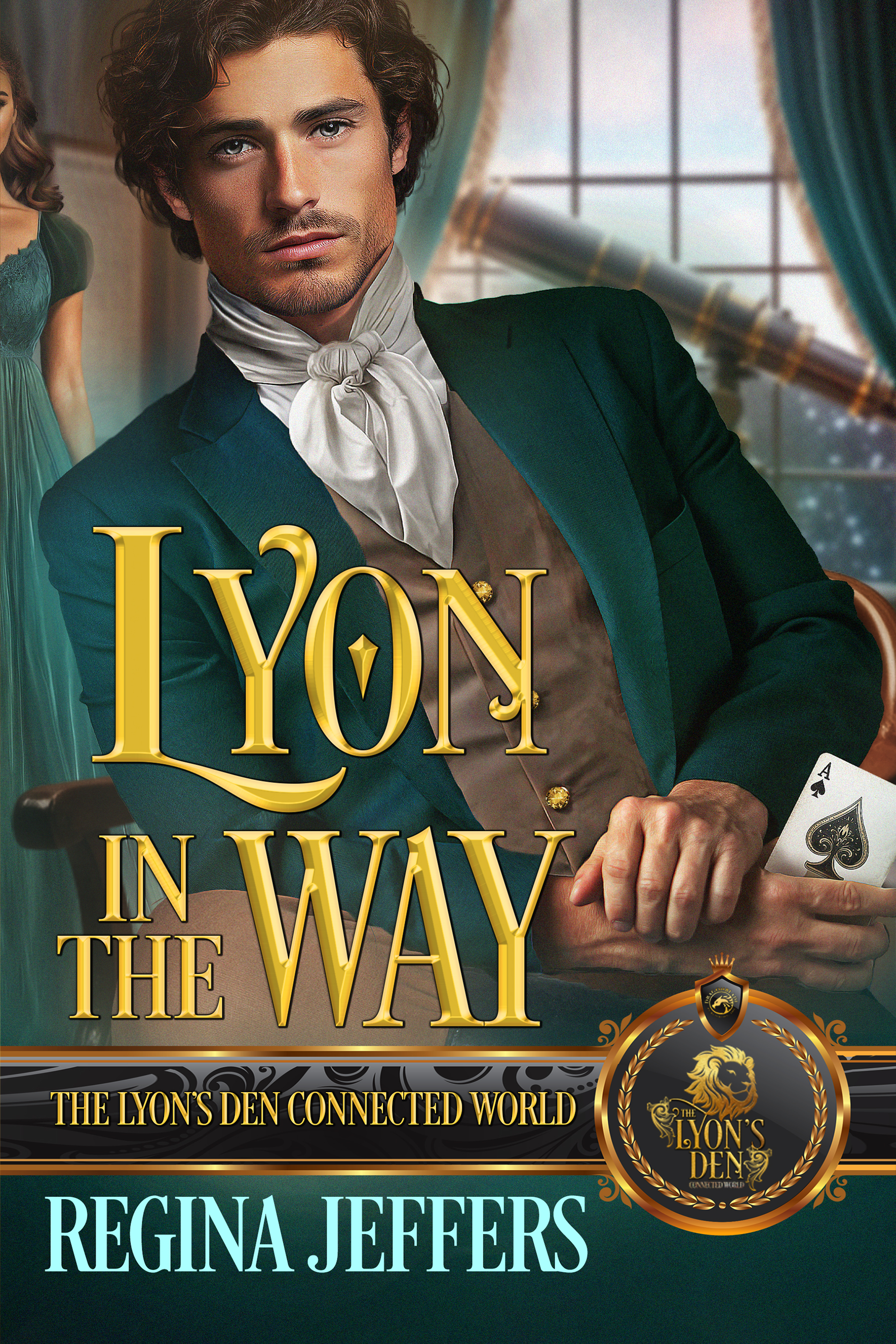
One man wants her dead. Another may love her forever.
For over a year, Lord Richard Orson has been quietly captivated by the unconventional Lady Emma Donoghue. Headstrong, brilliant, and unapologetically involved in causes that rattle Society’s comfort, Emma is nothing like the debutantes he’s expected to court.
But when he finds her bruised, confused, and alone in Covent Garden after midnight, Richard is thrust into a far more dangerous game.
Someone wants Emma silenced. And now, Richard has only moments to uncover the truth, protect her from harm, and keep her out of scandal’s reach. But staying focused is harder than he imagined—especially when every glance, every accidental touch, reminds him how perfectly she fits in his arms.
Tropes you’ll love: Protective hero / damsel in distress (with a twist) Bluestocking heroine Rescue & recovery romance Unlikely match / opposites attract Slow burn with rising suspense One bed (forced proximity) Hero falls first
As danger closes in and secrets are revealed, Richard must decide whether he’s willing to risk his life—and his heart—for a woman who’s always been worth the fight.
A suspenseful, slow-burn Regency romance where danger ignites desire, and love must outpace the clock.
Read in Kindle Unlimited!
Enjoy book one in a new series within The Lyon’s Den Connected world by Regina Jeffers.
Book 1 – Lyon in the Way
Book 2 – Lyon’s Obsession
Book 3 – Lyon in Disguise
Book 4 – Lost in the Lyon’s Garden
Book 5 – Lyon on the Inside


 Every Woman Dreams...
This is such an engaging post! The historical details about packet boats and their role in Regency-era travel are fascinating, and the sneak peek into Lyon in the Way has me hooked. The mix of suspense, romance, and rich historical context promises an exciting read. Can’t wait to dive into this new series!
I attempt to find the historical accuracy in what I write, but I occasionally muck it up. LOL