My story is the Summer Melodies anthology you may see below is called “Never Contradict a Lady,” and it is about a ballerina in the Royal Theatre during the Regency era. One of the first lesson I had to relearn was that ballerinas in the Regency did not have “pointe shoes.”
The “pointe shoe” is one of the first images that comes to mind when we consider a ballerina. My cover designer for this story and I were looking for something “authentic,” but, in reality, the few images available would not have convinced a modern reader to choose the book.
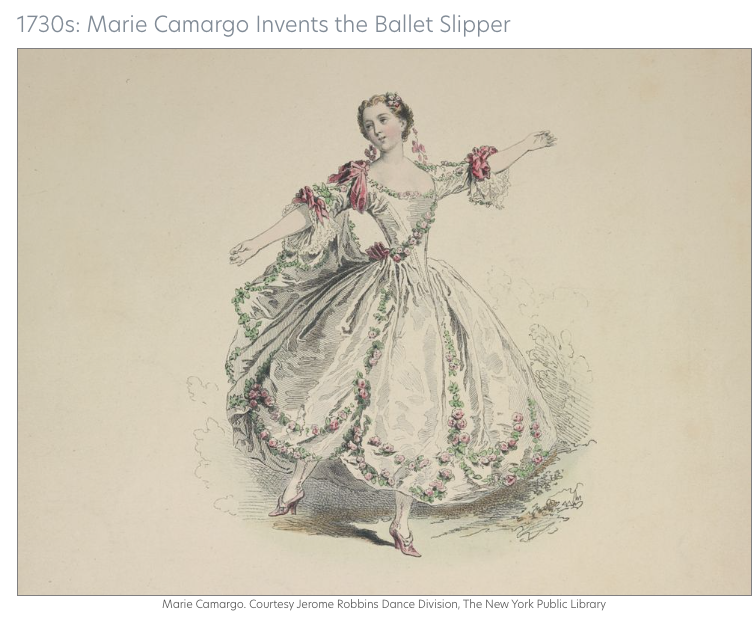
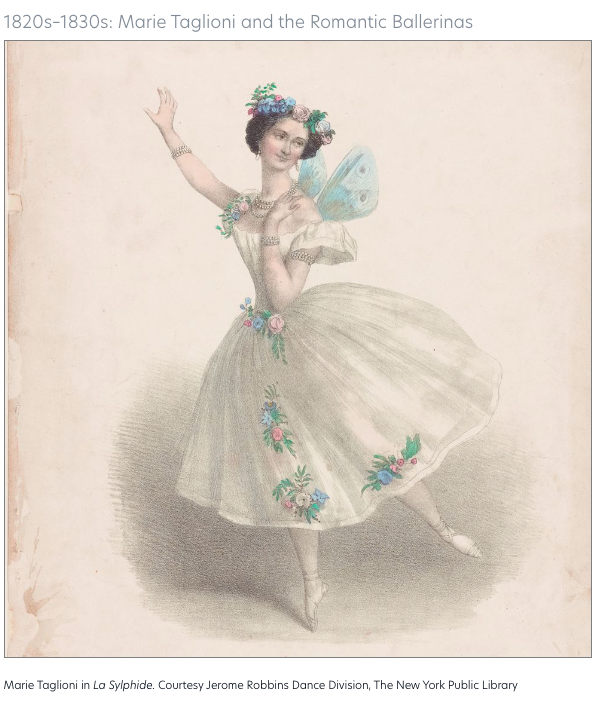
Images Can Be Found at https://pointemagazine.com/history-of-pointe-shoes/#gsc.tab=0
The long lines dancers attempt to display in the day is assuredly given “notice” when they rise up on their toes. It said that Charles Didelot first invented a pair of pointe shoes in 1795.
Marie Taglioni is often thought to be one of the first ballerinas to perfect the art of dancing on pointe. Her shoes were nowhere near as strong as today’s pointe shoes. She had to rely solely on the strength of her feet and ankles. The steps she performed on the tips of her toes where few and brief. As dancers strived to do more and more on pointe, the shoe evolved into something much stronger and more supportive. Anna Pavlova, a famous Russian ballerina, took it upon herself to create a better pointe shoe. She made the shank harder and flattened the box to help her balance longer and do more advanced steps on pointe. Her peers accused her of cheating but the audience loved her and her shoe became the basis for today’s pointe shoes. {Dance Talk}
The History of Pointe Shoes provides us this background information that goes with the image of Marie Camargo above. “During ballet’s creation in the courts of Europe, dancers wore heeled shoes in line with the era’s aesthetic. In the 1730s, Paris Opéra Ballet dancer Marie Camargo was the first to remove her shoes’ heels, forging the way for the soft slipper we know today. “Camargo is the transitional point between a heeled shoe and pointe shoe. She is the ballet slipper,” says Linda Murray, curator of the Jerome Robbins Dance Division of the New York Public Library for the Performing Arts. The slipper allowed Camargo to perform leaps and fast allégros that were not possible in heeled shoes, expanding movement vocabulary for ballerinas.”
Heritage Crafts tells us, “In the 1920s Mr Freed (a trained ballet shoe maker) and Mrs Freed (a milliner) developed a new approach to measuring and fitting ballet shoes. They also developed an approach to manufacturing that, by training workers to specialise in a particular technique, enabled the mass production of shoes at a reduced cost.
“Today, Freed of London remains one of the largest pointe shoe making companies in the world. They make all their shoes by hand and both their mass-produced stock shoes and bespoke shoes are made using exactly the same processes, meaning that both a beginner dancer and prima ballerina may be wearing shoes made by the same craftsperson. Each maker has their own cipher that is added to the shoe and many professional dancers will often develop a relationship with a particular maker. Freed has two factories in Hackney and Leicester, both of which make pointe shoes alongside other dance shoes and dancewear products.
“The Suffolk Pointe Shoe factory is located in Leicester. Suffolk is a family owned business operating in the village of Earl Shilton. Mark Suffolk, M.B.E. founded the company in 2000 after being in the pointe shoe industry for 18 years. Mark developed innovative making techniques to elevate a pointe shoe’s design while keeping classic making principles and traditional materials. Suffolk has become a full service ballet brand expanding into dance apparel and accessories, but is a pointe shoe company at heart. Suffolk shoes are best known in the US where they are a market leader. All Suffolk shoes are made by hand. Suffolk offers both stock shoes to dance retailers and bespoke shoes to professional dancers.”
Story Blurb: Ballerinas were never ladies in Regency London, but Miss Marian Cooper was different. She was a woman of substance, the type of female a miserable example of English “quality” required to make him man enough to inherit the title of Marquess of Coulter.

Giveaway: I have 6 eBook copies of Regency Summer Melodies available to those who comment on any or all the promotional posts for this new book. Winners will be chosen on July 7, 2025, and contacted by email.
Regency Summer Melodies releases 5 July 2025. https://www.amazon.com/dp/B0FD8FT6C4/


 Every Woman Dreams...