The drink, Champagne, received it name from the French region of Champagne and has been produced locally in France since the Gallo-Roman era. “Champenoise” vintners produced a pale, pink wine from Pinot Noir grapes. However, it was not always an easy go. Champagne, the region, was more northerly than was its counterpart and competition, Burgundy. This created a major problem because of the cold snaps that interrupted the fermentation process. This could cause the wine bottles to explode because yeasts and sugars would form carbon dioxide.
This was both a blessing and a learning experience for those producing champagne. The bottles that did not explode contained effervescent bubbles that the French royalty found to be most pleasing. “In 1715, the Duc d’ Orléans began serving locally produced ‘vin mousseux’ (sparkling wine) at his court in Paris’ Palais Royal, entertaining wealthy and famous guests with a drink that was generally only accessible to the high aristocracy. Its popularity exploded among Parisian elites. But sparking wine remained an accidental novelty item. And in pre-Industrial Revolution France, most winemakers still frowned upon it and sought to eliminate those pesky bubbles.” [History of Champagne – Paris Unlocked]
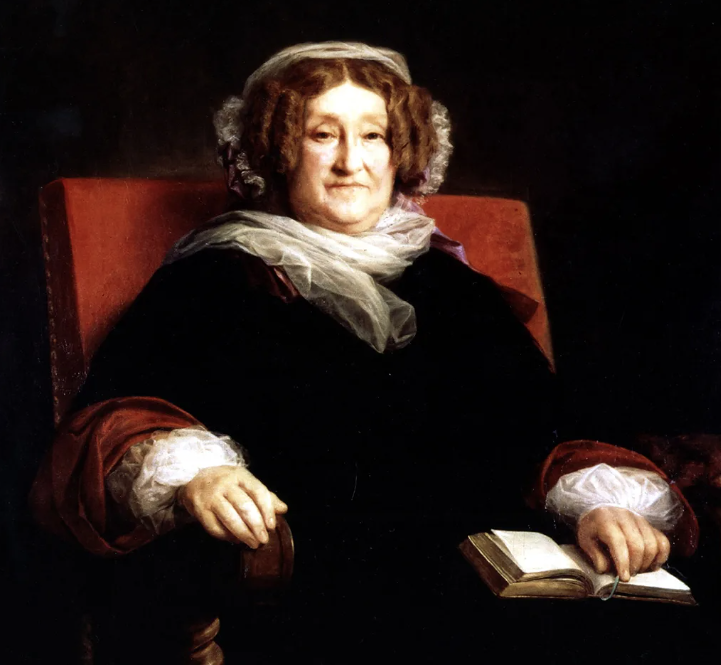
The BBC website tells us, “Some of the biggest innovations of Champagne came down to the ingenuity of several women. In the 19th Century, the Napoleonic Code restricted women from owning businesses in France without permission from a husband or father. However, widows were exempt from the rule, creating a loophole for Barbe-Nicole Clicquot-Ponsardin, Louise Pommery and Lily Bollinger – among others – to turn vineyards into empires and ultimately transform the Champagne industry, permanently changing how it’s made and marketed.
“In 1798, Barbe-Nicole Ponsardin married François Clicquot, who then ran his family’s small textile and wine business, originally called Clicquot-Muiron et Fils in Reims. It turned into a financial disaster. When Clicquot died in 1805, leaving her widowed at 27 years old, she made the unconventional choice to take over the company.
“‘It was a very unusual decision for a woman of her class,’ said Tilar Mazzeo, cultural historian and author of The Widow Clicquot. ‘It would have been extremely unusual for her to have a business, because she didn’t need to… She could have spent her life in drawing rooms and as a society hostess.'” [“The Little Known History of Champagne” https://www.bbc.com/travel/article/20230301-the-little-known-history-of-champagne]
Up until around 1802, all the wine from abroad had to be imported in casks to be bottled in England. Though the beverages were allowed to be imported in bottles after that, most importers continued buying wine in casks. The smugglers usually brought in wine in casks and kegs. Bottles are much more difficult to handle. They were both heavy and noisy when they rubbed against each other and were easily broken. Wine could not be drunk immediately as it had to settle so it was delivered to a bottler who acted as wholesaler.
I can see how this might play out in a plot point in a book, depending on an individual’s or family’s wealth. The wealthiest could afford to buy entire casks for their private cellars, whereas the not-as-wealthy might buy smaller quantities in individual bottles from a wine merchant to stock their cellars, and the not-wealthy might only be drinking their own home-made wines and beers, probably in bottles they cleaned and reused. I am confident the variations also depended on what the particular beverage was. Obviously, from the above information, we know most of the champagne people drank in the Georgian era was likely made in England by adding extra sugar into imported French wine and then bottling (or re-bottling) it for additional fermentation.
Obviously, champagne does not do as well in casks. Therefore, we might make the assumption that most of the “champagne” sold in England during the Napoleonic War was actually sparkling wine and not the bubbly kind. That being said, some French wines were imported through Portugal. Many advances were made to champagne in France, but they were not readily available in England during the war.
One must remember when writing Regency tales, the wire cage and cork affair sealing champagne bottles had not yet been invented. It was known as “The Devil’s Wine” because of the frequency of explosions caused by the fizz. Like many of you who read Regencies, I read a lot of people drinking champagne and always wonder if this was a real habit or not.
Other Sources on Champagne and Its History:
Champagne – 10 Surprising Facts about Its History


 Every Woman Dreams...