
I would venture to say the majority of us know of the issues this planet faces with the decay of the environment. We have likely all heard of the terms ecosystem (a community of living things and their environment), contamination (spoiling by contact), air pollution (contamination of the air, especially by smoke and gas from vehicles, factories, etc.), carcinogen (any cancer-causing agent), etc. However, test yourself on some of these . . .
eutrophication – This word did not come into use until the late 1940s and early 1950s. It means, “excessive richness of nutrients in a lake or other body of water, frequently due to runoff from the land, which causes a dense growth of plant life and death of animal life from lack of oxygen.” The National Ocean Service tells us, “Eutrophication is a big word that describes a big problem in the nation’s estuaries. Harmful algal blooms, dead zones, and fish kills are the results of a process called eutrophication — which occurs when the environment becomes enriched with nutrients, increasing the amount of plant and algae growth to estuaries and coastal waters.”

argochemicals – This word is also relatively knew, picking up usage in the late 1960s. It means, “a chemical used in agriculture, such as a pesticide or a fertilizer.”

debt-for-nature swap – This term is relatively self explanatory. It refers to the cancellation of the debts of developing countries if they promise/make a commitment to enforce environmental conservation.

biogas – This word, like those above, entered the language around 1970. It means “gaseous fuel, especially methane, produced by the fermentation of organic matter.”

Gaia hypothesis – This is a theory, put forward by James Lovelock in 1970, that living matter on the earth collectively defines and regulates the material conditions necessary for the continuance of life. The planet, or rather the biosphere, is thus likened to a vast self-regulating organism. It is named after a Greek Earth goddess. For more on this phenomenon, check out Springer Link or read ScienceDirect.

mutagens – This word came in use during the 1940s. It is an agent, such as radiation or a chemical substance, which causes genetic mutation.
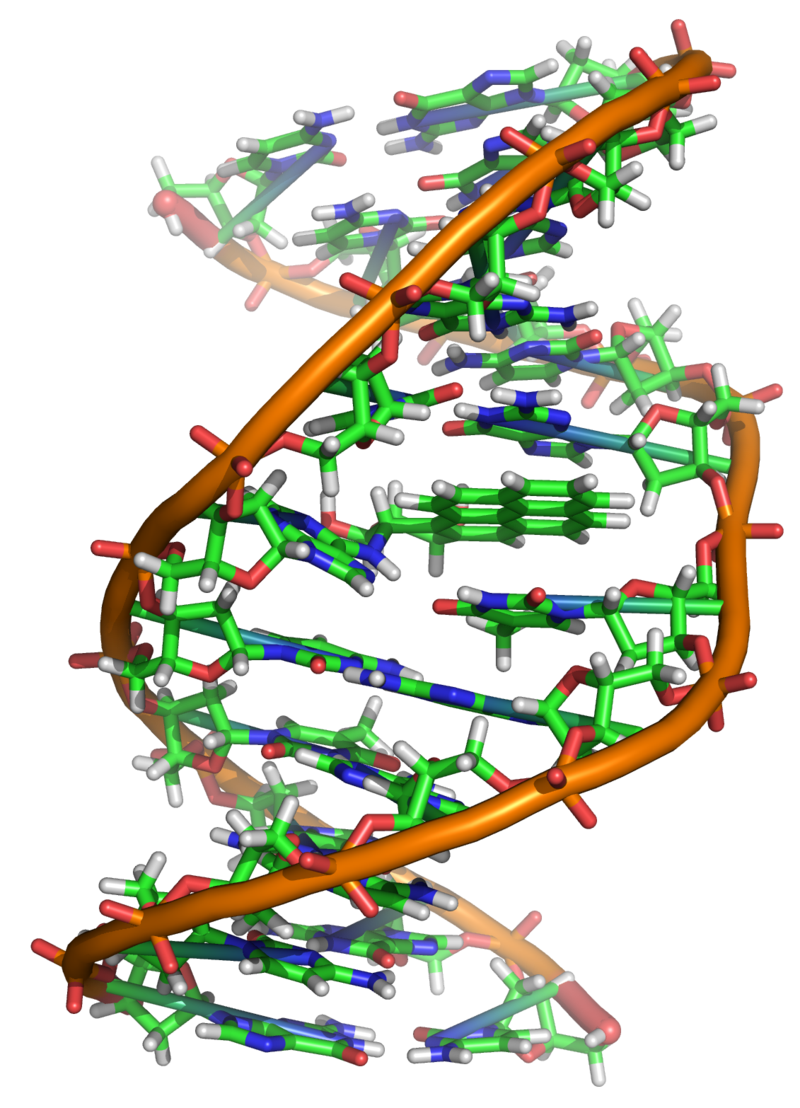
waldsterben – This word indicates the symptoms of tree decline in central Europe from the 1970s, considered to be caused by atmospheric pollution.

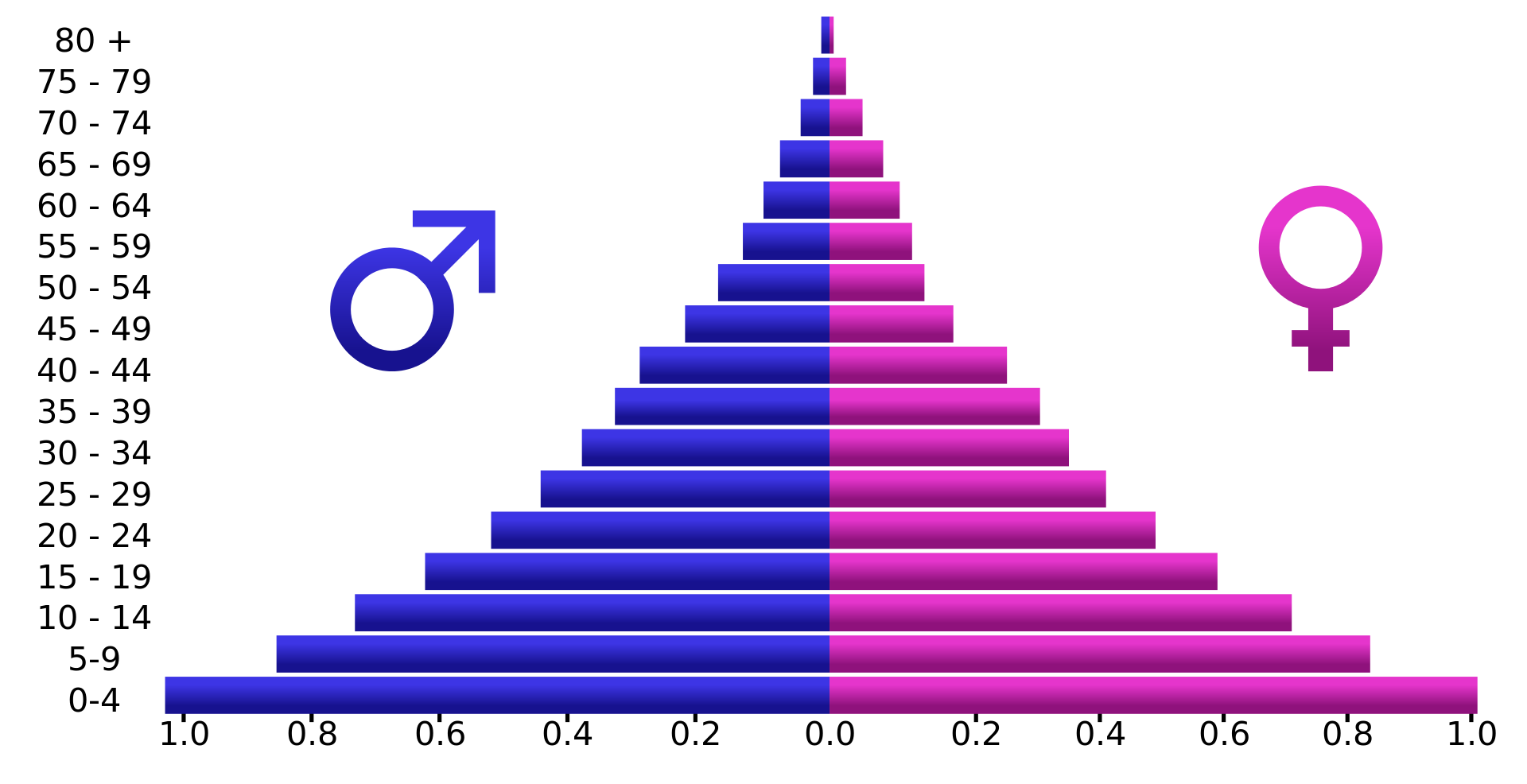
Population pyramid – A population pyramid (age structure diagram) or “age-sex pyramid” is a graphical illustration of the distribution of a population (typically that of a country or region of the world) by age groups and sex; it typically takes the shape of a pyramid when the population is growing. Males are usually shown on the left and females on the right, and they may be measured in absolute numbers or as a percentage of the total population. The pyramid can be used to visualize the age of a particular population. It is also used in ecology to determine the overall age distribution of a population; an indication of the reproductive capabilities and likelihood of the continuation of a species. Number of people per unit area of land is called
“Population Pyramids of the World from 1950 to 2100”. PopulationPyramid.net.
Weeks, John (2001). Population An introduction to concepts and issues. Wadsworth. p. 307.

PCBs – PCBs are Polychlorinated biphenyls. Polychlorinated biphenyls (PCBs) are highly carcinogenic chemical compounds, formerly used in industrial and consumer products, whose production was banned in the United States by the Toxic Substances Control Act in 1979 and internationally by the Stockholm Convention on Persistent Organic Pollutants in 2001. They are organic chlorine compounds with the formula C12H10−xClx; they were once widely used in the manufacture of carbonless copy paper, as heat transfer fluids, and as dielectric and coolant fluids for electrical equipment.
Because of their longevity, PCBs are still widely in use, even though their manufacture has declined drastically since the 1960s, when a host of problems were identified. The International Agency for Research on Cancer (IARC) rendered PCBs as definite carcinogens in humans. According to the U.S. Environmental Protection Agency (EPA), PCBs cause cancer in animals and are probable human carcinogens. Many rivers and buildings, including schools, parks, and other sites, are contaminated with PCBs and there has been contamination of food supplies with the substances. Moreover, because of their use as a coolant in electric transformers, PCBs still persist in built environments.
Current intelligence bulletin 45 – polychlorinated biphenyls (PCB’s): potential health hazards from electrical equipment fires or failures (with reference package) (Report). 2020-09-29.
“Health Effects of PCBs”. Washington, D.C.: U.S. Environmental Protection Agency (EPA). 2016-09-15.
“Identification, Management, and Proper Disposal of PCB-Containing Electrical Equipment used in Mines” (PDF). Environmental Protection Agency. Archived (PDF) from the original on 2022-01-10.
Robertson LW, Hansen LG, eds. (2004). PCBs: Recent advances in environmental toxicology and health effects. Lexington, KY: University Press of Kentucky. p. 11. ISBN 978-0813122267.
Rossberg M, Lendle W, Pfleiderer G, Tögel A, Dreher EL, Langer E, et al. (2006). “Chlorinated Hydrocarbons”. Ullmann’s Encyclopedia of Industrial Chemistry. Weinheim: Wiley-VCH. ~

Biomagnification of toxins in the food chain of a terrestrial environment. The dots represent the organic molecules present in each trophic level. The crosses represent the mercury present in each trophic level. While dots remain relatively constant in each individual, the concentration of crosses become greater in each preceding trophic level. Biomagnification: An increase of toxin concentration as the food chain moves up to higher levels. Organisms at the top have a higher tissue concentration of toxins and pollutants than lower levels. The concentration system is due to persistence of the toxins, food chain energetics, and low rate of internal degradation or excretion of the substance.Trophic level I represents the primary producers. Trophic level II represents the primary consumers. Trophic level III represents the secondary consumers. Trophic level IV represents the tertiary consumers. Per: http://www.thefreedictionary.com/biomagnification http://users.rcn.com/jkimball.ma.ultranet/BiologyPages/D/DDTandTrophicLevels.html Biomagnification ~ CC BY-SA 3.0 ~ https://en.wikipedia.org/wiki/Polychlorinated_biphenyl#/media/File:Biomagnification.svg
monoculture – The Gallant website tells us, “Monoculture farming refers to cultivating a single crop on a large percentage or all of the farm, season after season. It places attention on crop specialization in modern agricultural terms.” Obviously, monoculture maximizes the use of farm machinery required, cutting costs in that manner; however, it increases the risk of crop diseases, infestation, and poor soil structure. “Given that it is not based on natural settings, monoculture imitates natural ecological components to safeguard crops and profits through the usage of artificial synthetic elements.”

irradiated food – This is a means to preserve food by exposing it to ionizing radiation. The U.S. Drug and Food Administration site tells us, “Food irradiation (the application of ionizing radiation to food) is a technology that improves the safety and extends the shelf life of foods by reducing or eliminating microorganisms and insects. Like pasteurizing milk and canning fruits and vegetables, irradiation can make food safer for the consumer. The Food and Drug Administration (FDA) is responsible for regulating the sources of radiation that are used to irradiate food. The FDA approves a source of radiation for use on foods only after it has determined that irradiating the food is safe.
“How Is Food Irradiated?
“There are three sources of radiation approved for use on foods.
- Gamma rays are emitted from radioactive forms of the element cobalt (Cobalt 60) or of the element cesium (Cesium 137). Gamma radiation is used routinely to sterilize medical, dental, and household products and is also used for the radiation treatment of cancer.
- X-rays are produced by reflecting a high-energy stream of electrons off a target substance (usually one of the heavy metals) into food. X-rays are also widely used in medicine and industry to produce images of internal structures.
- Electron beam (or e-beam) is similar to X-rays and is a stream of high-energy electrons propelled from an electron accelerator into food.”
Go to Food Irradiation: What You Need to Know for more information.

migration corridor – Migration corridors are routes followed by animals, birds, or fish when traveling between winter and summer habitats.

The Center for Large Landscape Conservation tells us . . .
“Corridors are the habitual routes that animals use based on learned behavior, seasonal influence, and inherited traits. Corridors can often be identified by landscape features that indicate optimal paths of movement, including topography, elevation, vegetation type, or physical barriers like roads or rivers that may direct wildlife movement.
Corridors can include:
- Routes wildlife use seasonally to reach water, food or other resources, utilized by a single animal or entire herds.
- Paths between daytime and nighttime habitat; or between resting, feeding, and watering locations.
Examples of corridors:
- The 125-mile migration that Wyoming pronghorn undertake each year, traveling between Grand Teton National Park and Pinedale, Wyoming in the spring and the fall.
- The route formerly used by mountain lions in Southern California to travel between the Pacific Ocean and the Sierra Madre Mountains. This route is currently blocked by freeways and other development.”


 Every Woman Dreams...


